
.
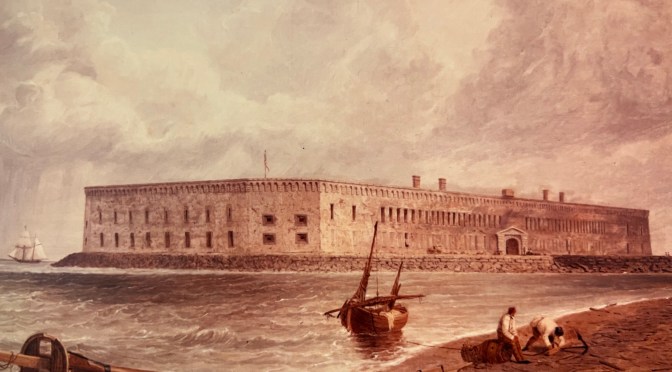
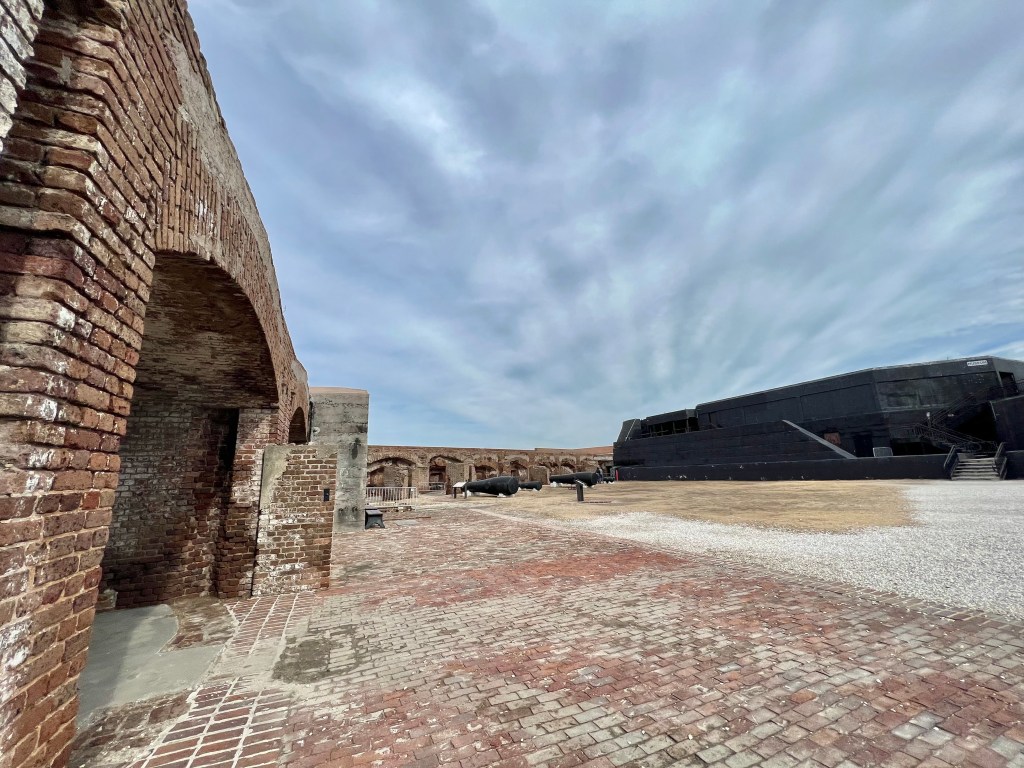
I’m a history nerd buff with a specific interest in the Civil War and was really looking forward to exploring Fort Sumter.
.
.
But there was a problem.
.

.
The only way on and off the island is by ferry and even though it was the slow season and there was just one trip a day from Patriots Point? Our time limit was an hour.
60 measly minutes wasn’t nearly enough and to be honest it ticked me off. I understand during the tourist season they have to move as many people on and off as they can, but with only one lousy trip scheduled in the winter you’d think they would allow us more time… but no.
This meant kicking my husband into high gear and almost jogging around the fort to make sure we saw it all. No lollygagging and absolutely no chatting with strangers!
.
.
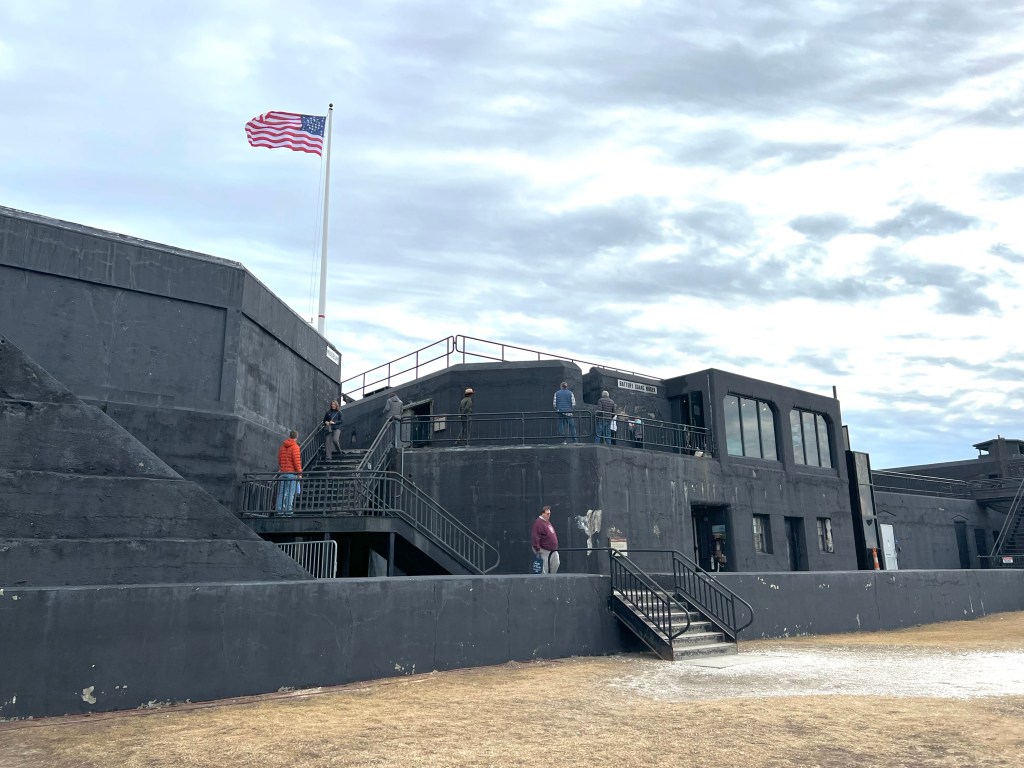
This is the old battery that they’ve turned into a museum… so we started there.
.
.
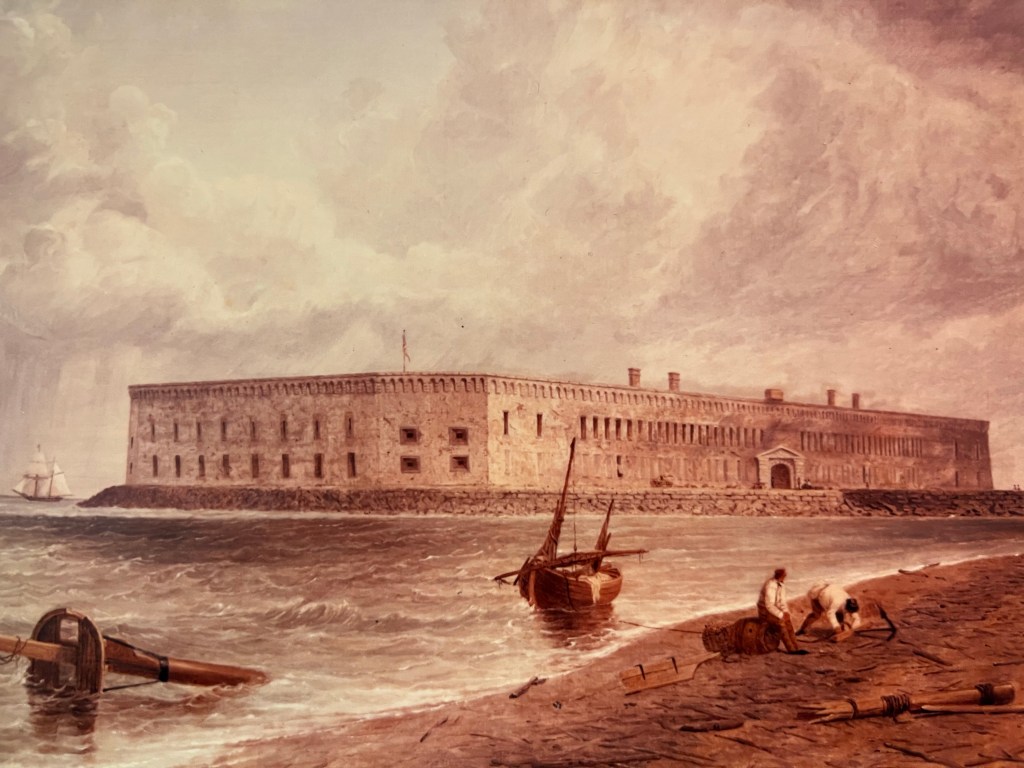
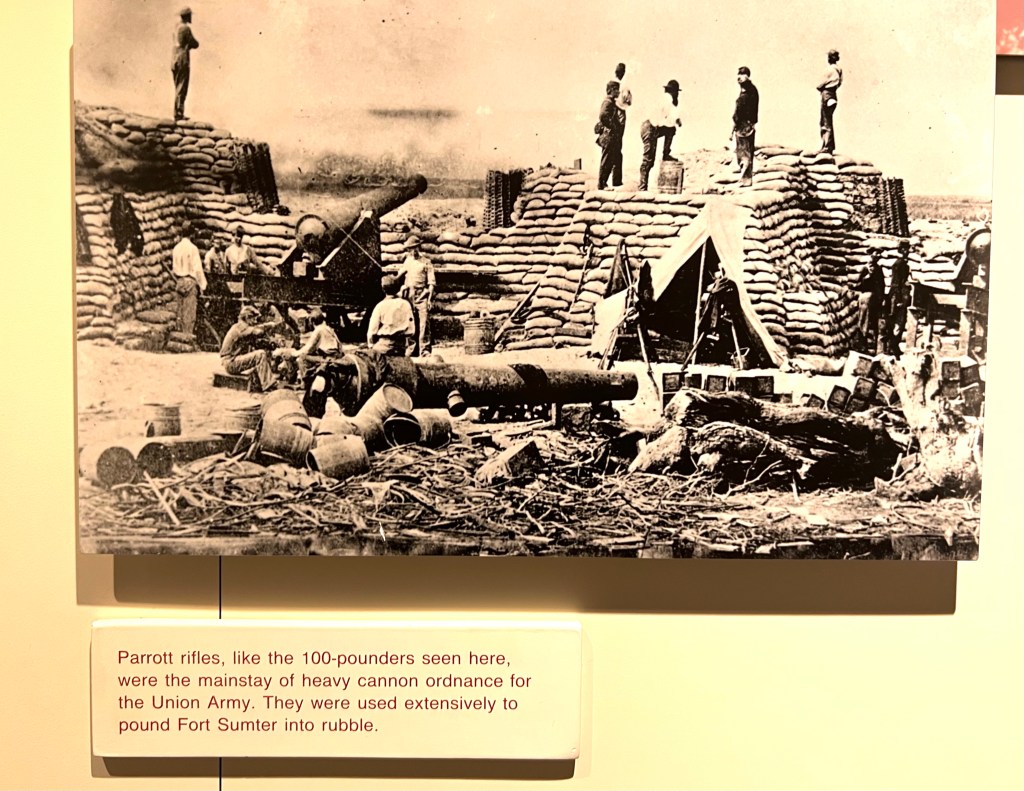
The Fort as it looked pre Civil War.
.
.
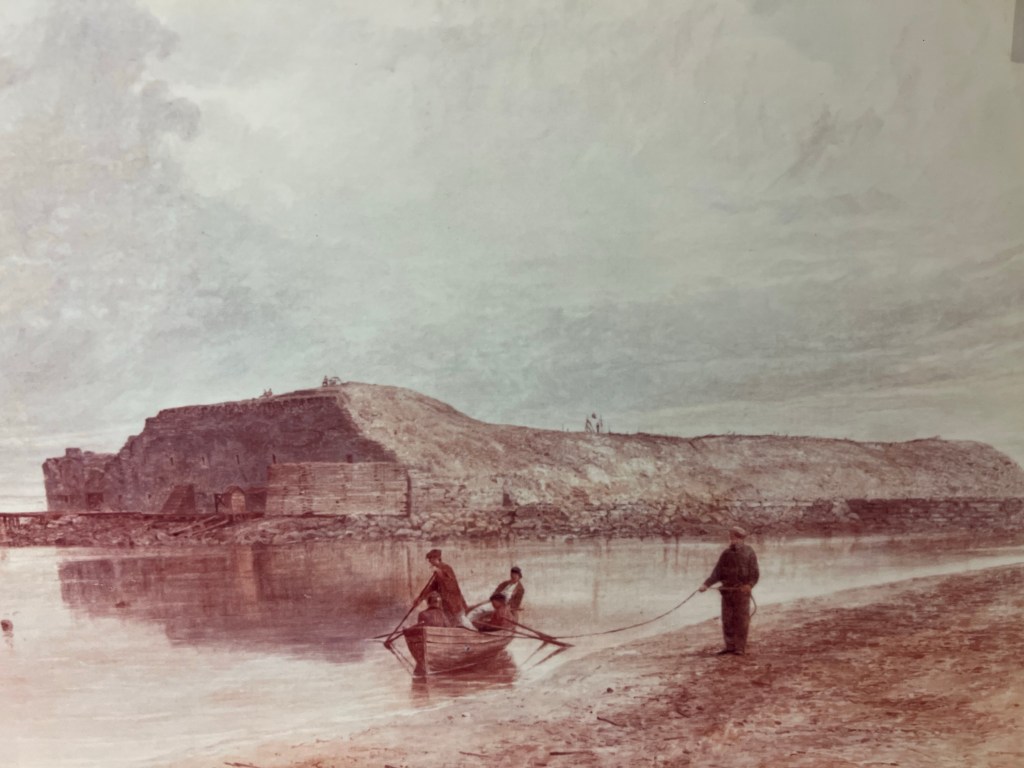
During the war…
.
.
And after.
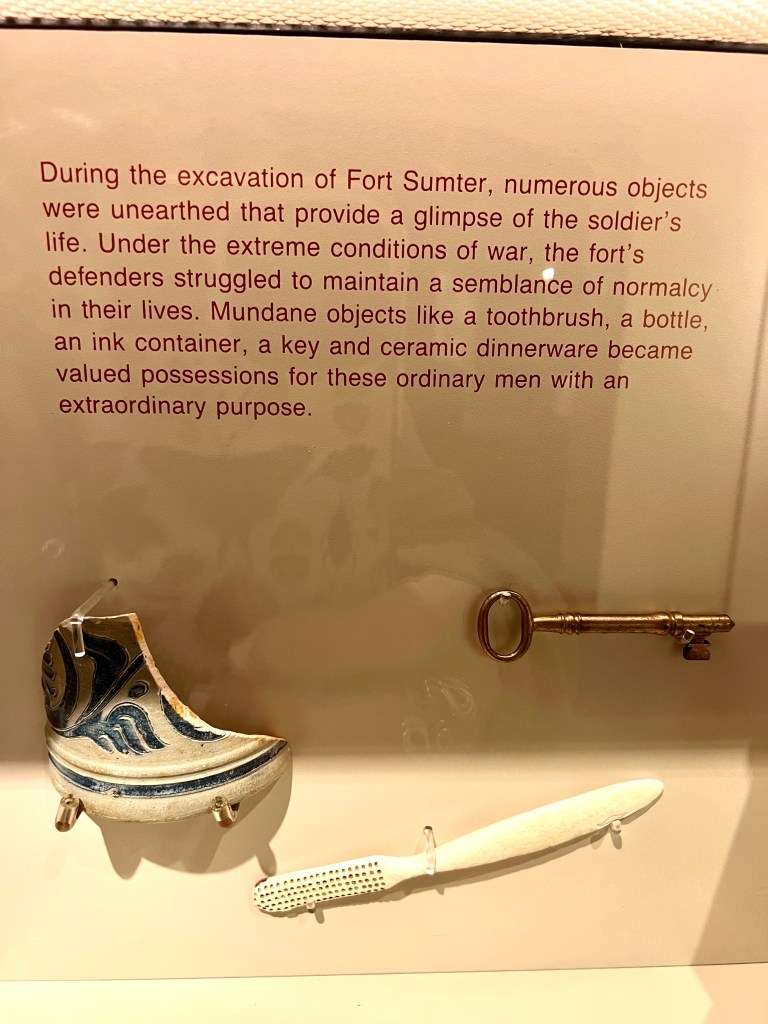
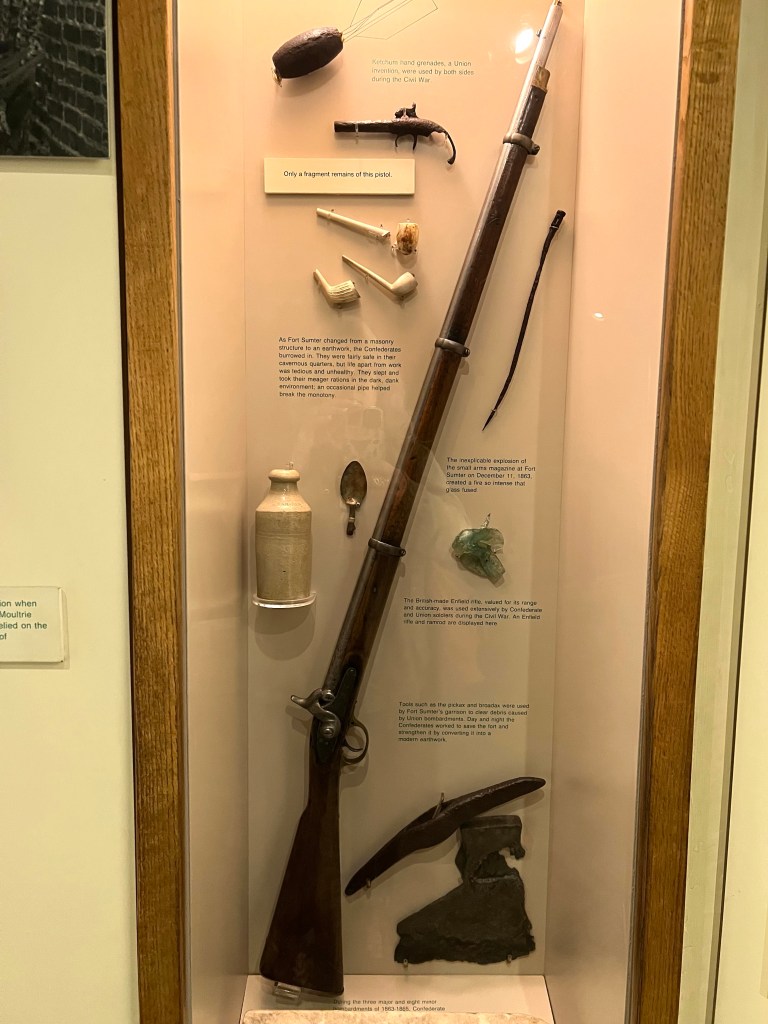
The museum itself was small, with lots to read but very few artifacts.
.
.
But a Civil War toothbrush? That’s history nerd buff gold.
.
.
I won’t bore you with a lot of history but this was especially poignant to me.
.

.
Those Who Would Be Free
African-Americans and the Fight for Fort Sumter.
Thousands of African-Americans were involved in the Civil War, either by force or by choice. The South used slaves as laborers at war points within the Confederacy. The North enlisted more than 170.000 free men of color in the Union Army. These willing soldiers saw action in virtually every theatre of the war, including Charleston.
As soon as war commenced in 1861, slaves were gathered from Southern plantations and sent to such Confederate strongholds as Fort Moultrie and Fort Sumter. Amid the chaos of battle they repaired the forts, built batteries, mounted guns, waited on officers and acted as messengers. At Fort Sumter, slaves worked in constant danger to help defend the fort against the very forces seeking to win their freedom.
African-American soldiers in the Union Army served voluntarily distinguishing themselves at such battles as the assault on Fort Wagner on Morris Island. Here, the 54th Massachusetts made history as the first African-American military regiment to ennoble themselves in battle. As word of their
courage spread, thousands of other African-Americans volunteered in the war to reunite the country.
.
Imagine being forced to defend an installation that’s fighting to keep you enslaved.
.
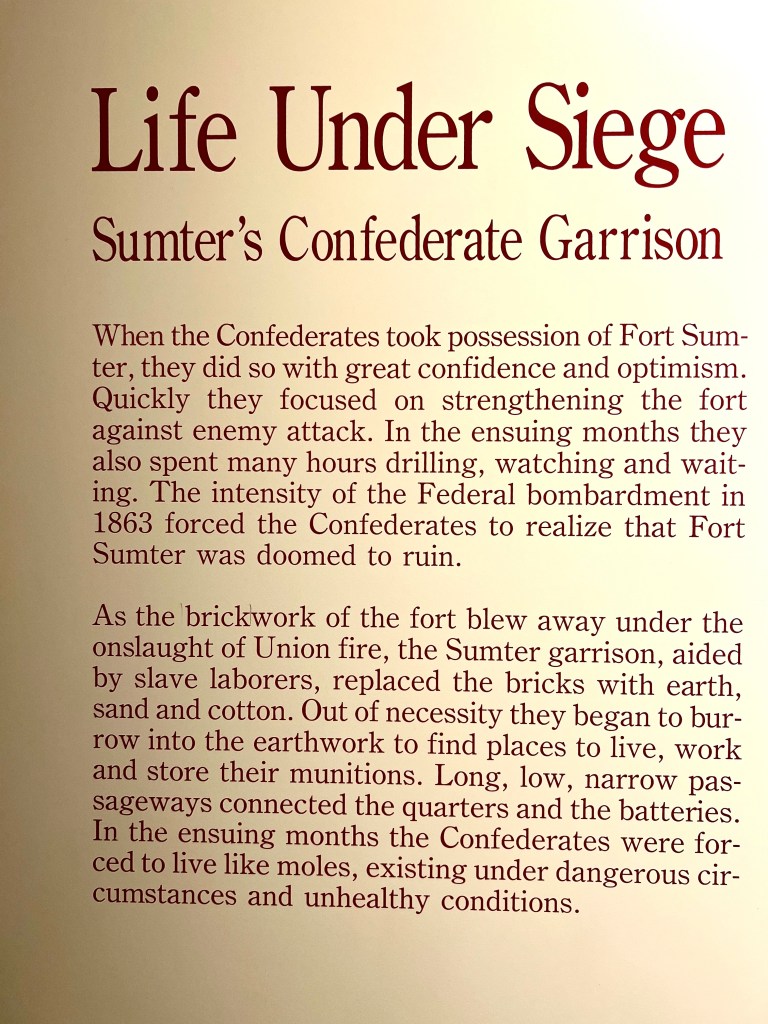
.
Soldiers were basically living like tunnel rats.
.
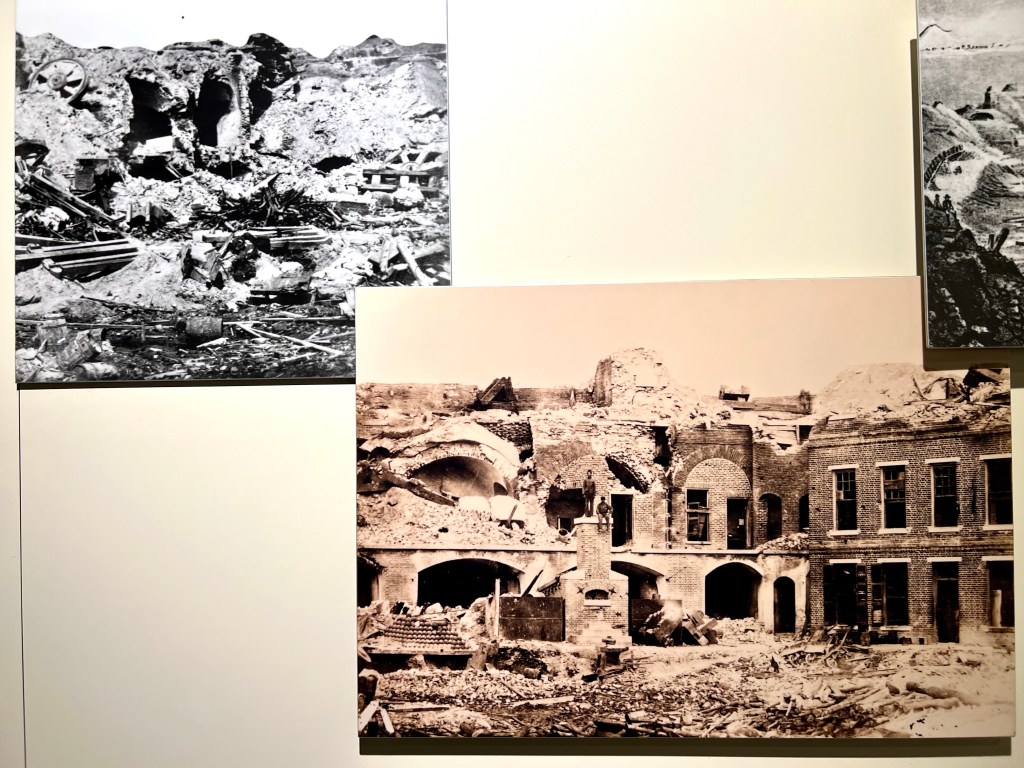
.
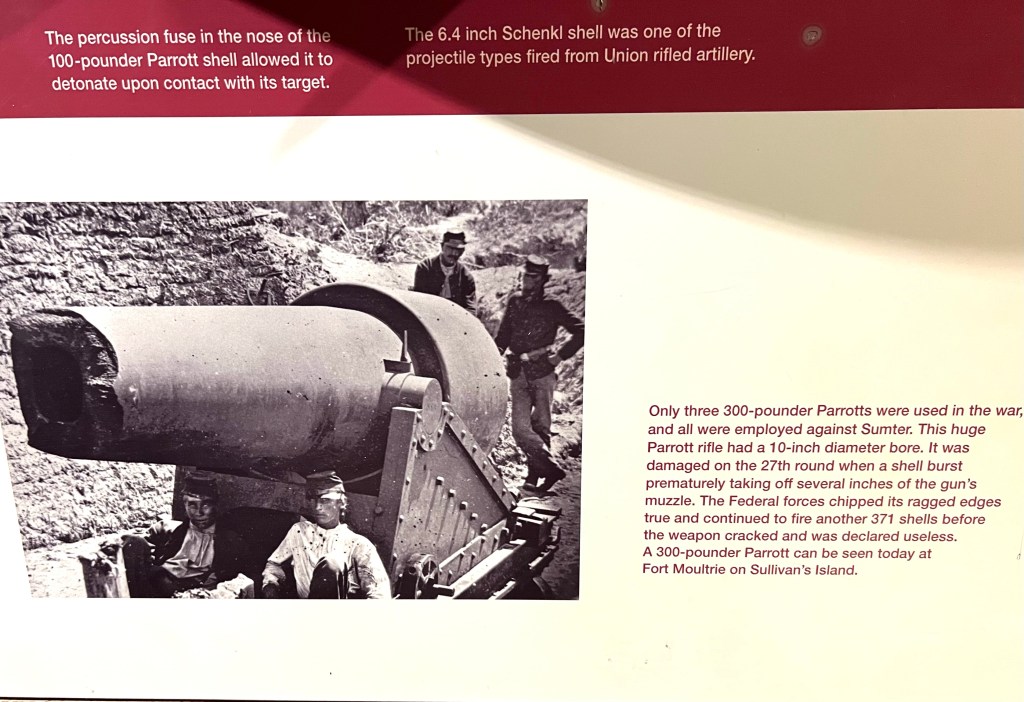
And the armament that was used back then?
Wow.
.

.
Unbelievable.
.
.
Too bad they didn’t have duct tape.
.
.
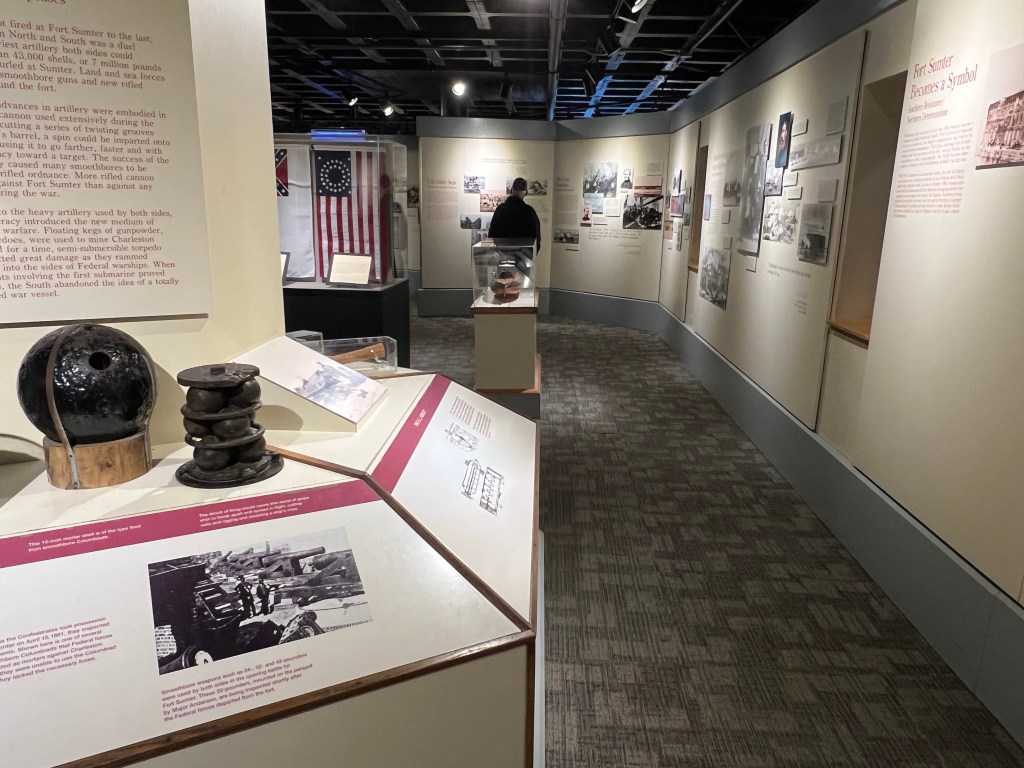
Short on time, my speed reading came in handy. Not so my husband who read one placard to my 6. That’s him in the background way back at the beginning.
.
.
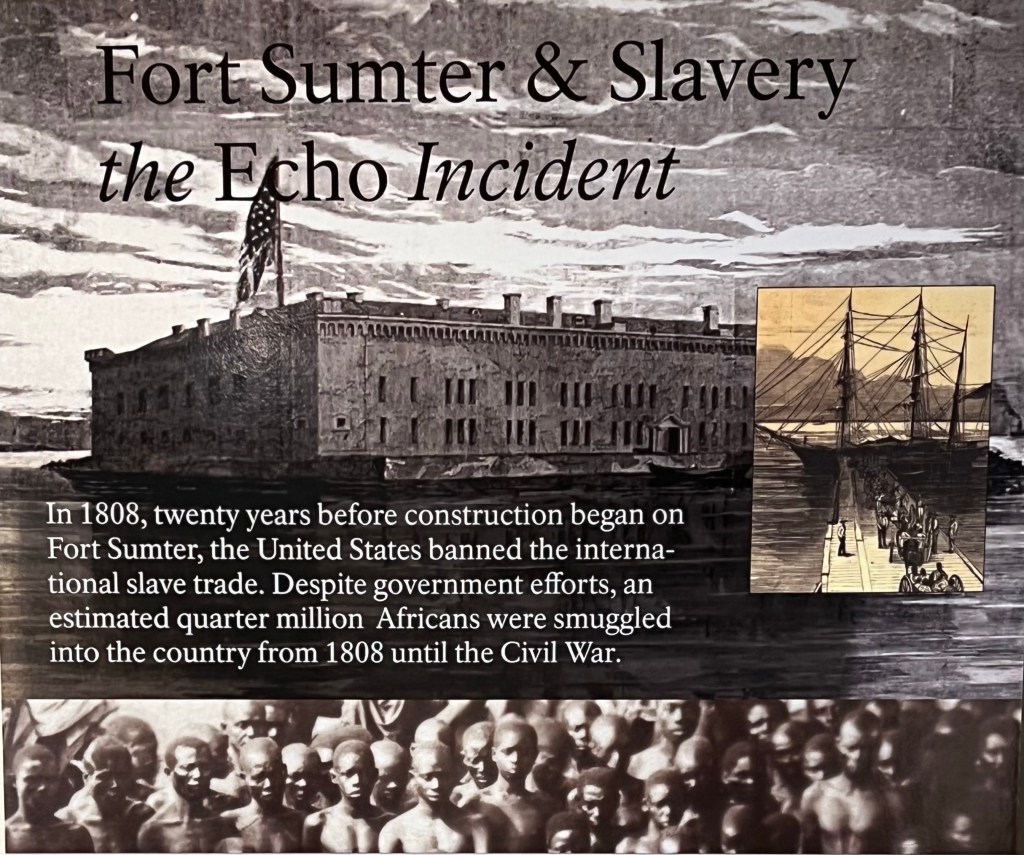
In 1858 Fort Sumter became involved in one of the most notorious episodes in slave smuggling. On August 21 the U.S. Navy captured the slave ship Echo
and brought it into Charleston Harbor. Of 450 captives, mostly young African girls and boys, 144 had already died. Initially held at Castle Pinckney,
the Africans were moved to the larger Fort Sumter still under construction.
Following sensational descriptions of their emaciated state, entrepreneurs arranged harbor cruises to witness the grim spectacle at Fort Sumter.
Thirty-five captive Africans died while kept at Castle Pinckney and Fort Sumter. Although some Charlestonians provided food and clothing, oth-
ers argued that the captives should be sold into slavery. On Constitutional grounds, President James Buchanan ordered the Africans transported home
onboard the steamship Niagara. Even with medical care, only 196 of the original 450 captives were still alive by the time they reached Monrovia. The captain and crew of the Echo were tried and acquitted on a technicality.
.
That’s a horrible story I knew nothing about before this visit.
One half of the museum was devoted to the Civil War, the other to its previous life.
.
.
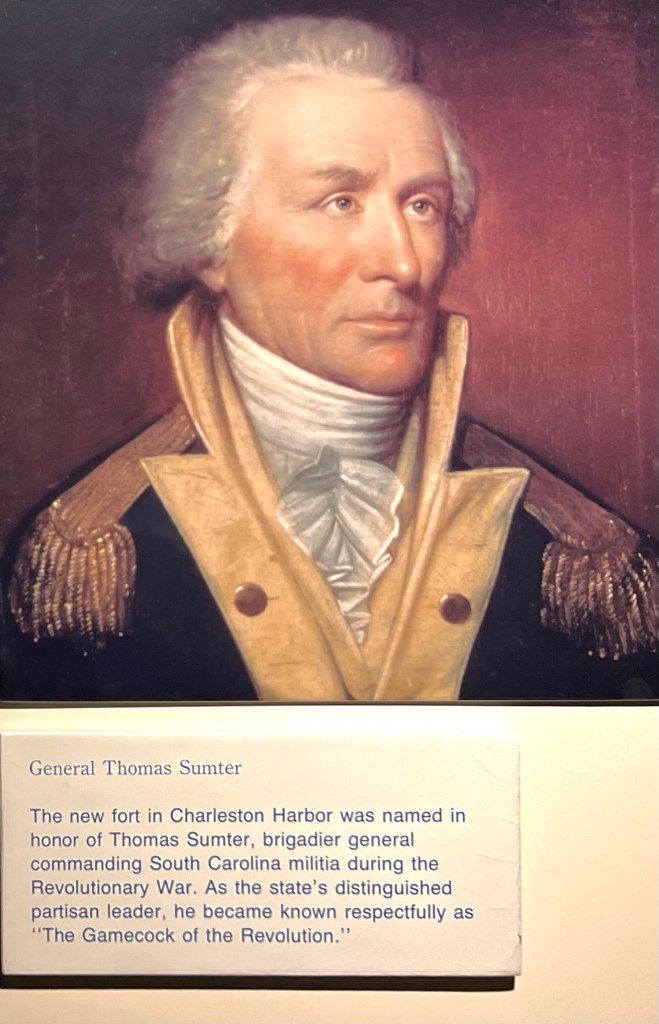
Yes, this cross eyed gentleman is the Fort’s namesake.
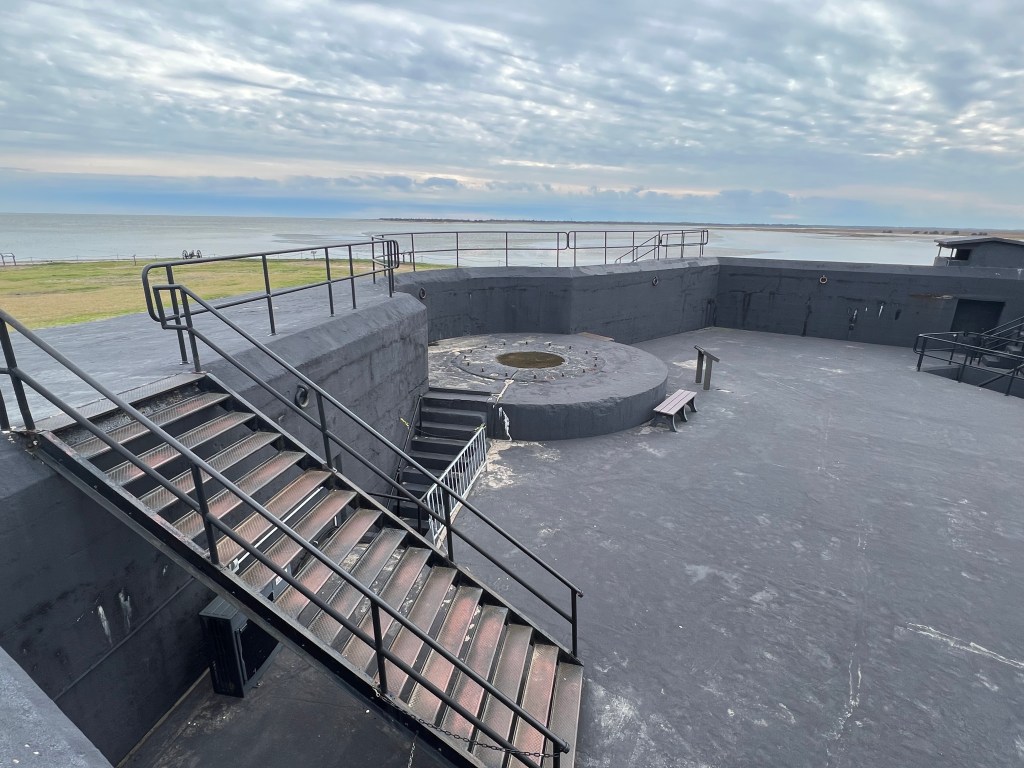
Sadly I had to drag the husband outside before we’d even glanced at the second half of the museum but my watch said we only had 18 minutes left and missing the boat was not an option.
.
.
To be continued… quickly.
.
 River's world.....
“…no chatting with strangers…” I guess you didn’t run into anyone wearing a Marine cap.
Interesting photos and history. You’re right, one hour is not sufficient.
LikeLiked by 1 person
It wasn’t even close. We could have spent 3 hours in the museum alone.
😒
LikeLiked by 1 person
That’s a great post. Quiet sad & horrible but most informative. The sheer irony of it. 😞
LikeLiked by 1 person
We were there on a very hot and bright day and it was hard to get any good photos. Imagine being stationed on that island and attacked by your fellow country men? Charleston is a lovely place but full of a lot of … shall we say … inconsistencies.
LikeLiked by 1 person
Historically it’s beautiful on the surface, rotten underneath.
🥺
LikeLike
Interesting facts and horrifying stories. Harbor cruises to witness the grim spectacle at Fort Sumter.?! That’s loathsome.
LikeLiked by 1 person
I know. I can’t even imagine that!
LikeLiked by 1 person
How are you supposed to learn from history so you won’t be condemned to repeat it when you have less time than it takes to properly roast a chicken?
LikeLiked by 1 person
I’m sure I don’t know.
LikeLike