I’m a history nerd buff with a specific interest in the Civil War and was really looking forward to exploring Fort Sumter.
.
.
But there was a problem.
.
.
The only way on and off the island is by ferry and even though it was the slow season and there was just one trip a day from Patriots Point? Our time limit was an hour.
60 measly minutes wasn’t nearly enough and to be honest it ticked me off. I understand during the tourist season they have to move as many people on and off as they can, but with only one lousy trip scheduled in the winter you’d think they would allow us more time… but no.
This meant kicking my husband into high gear and almost jogging around the fort to make sure we saw it all. No lollygagging and absolutely no chatting with strangers!
.
.
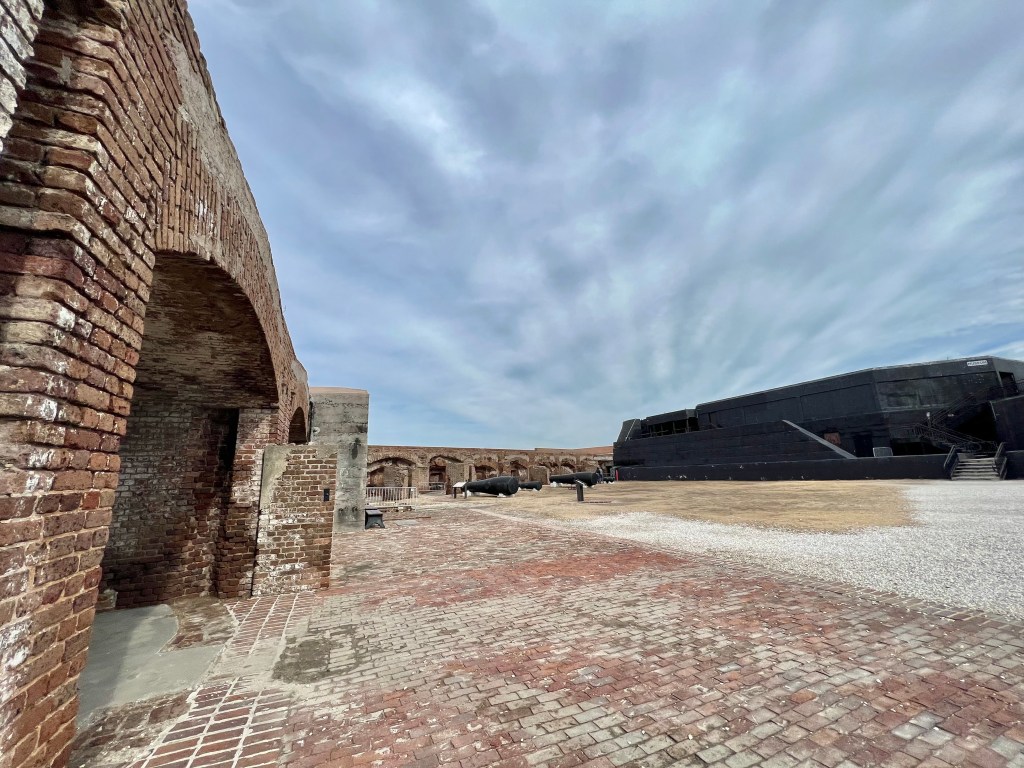
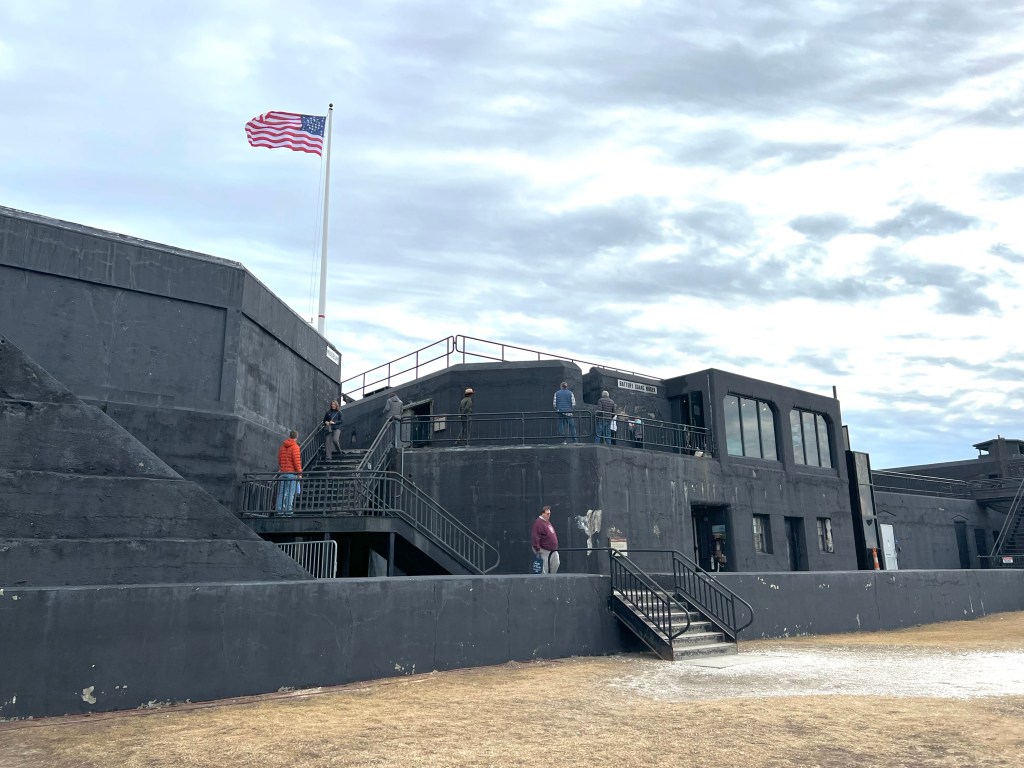
This is the old battery that they’ve turned into a museum… so we started there.
.
.
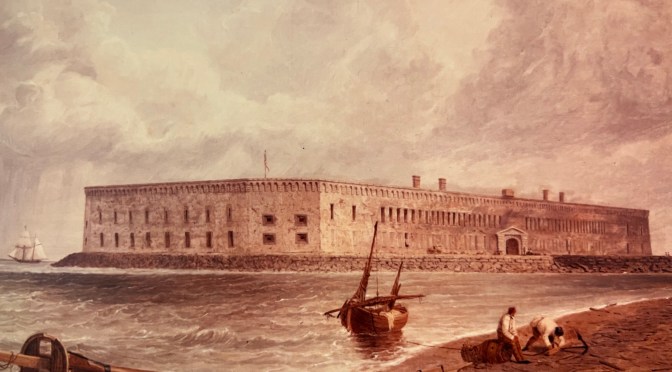
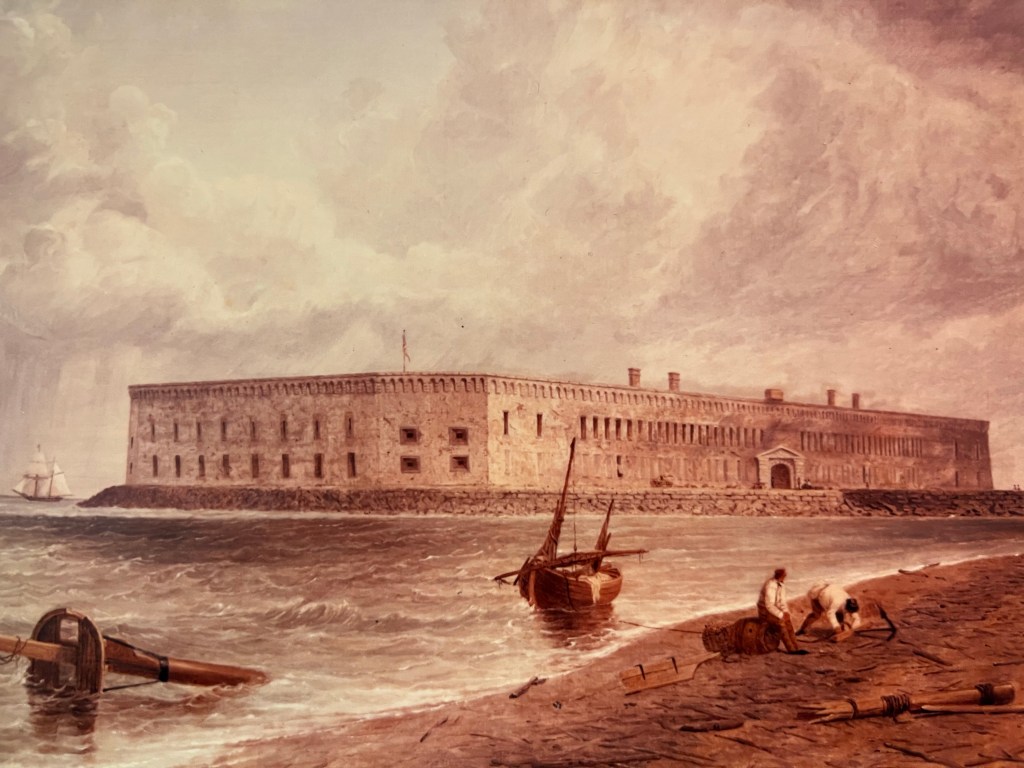
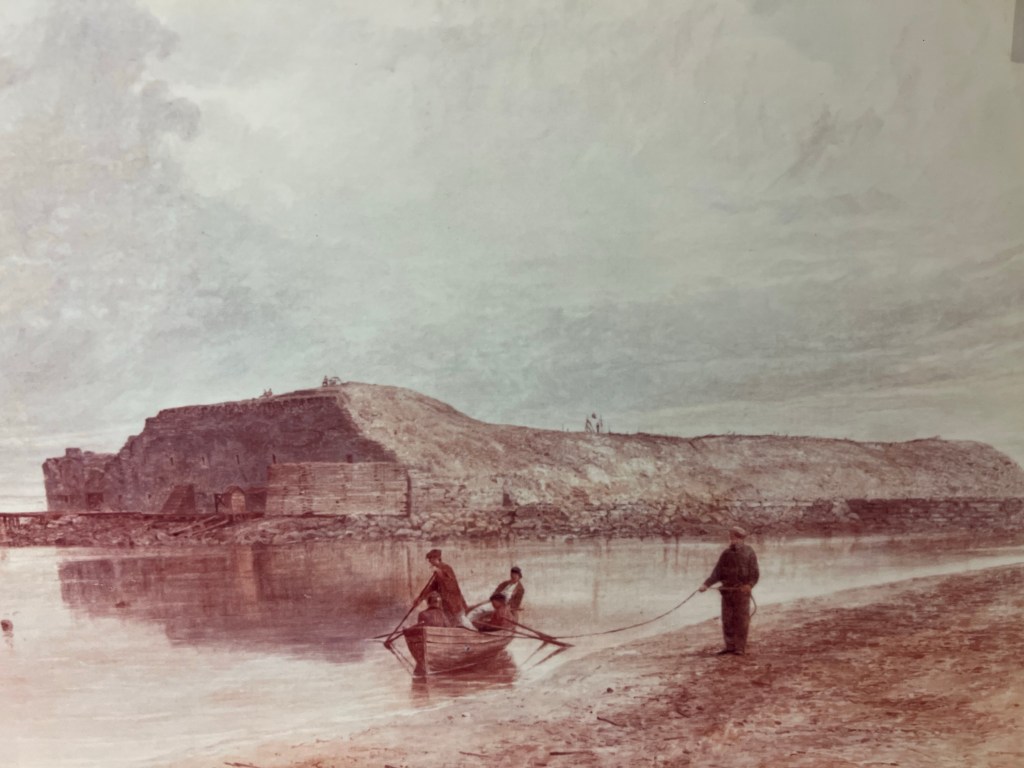
The Fort as it looked pre Civil War.
.
.
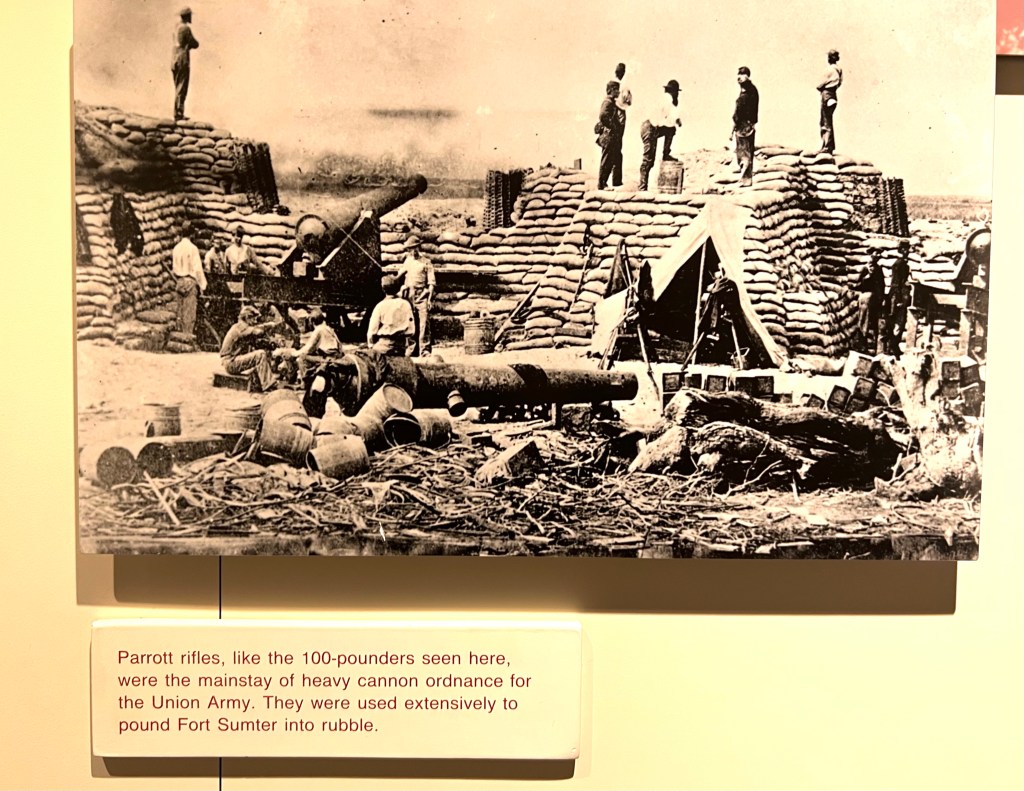
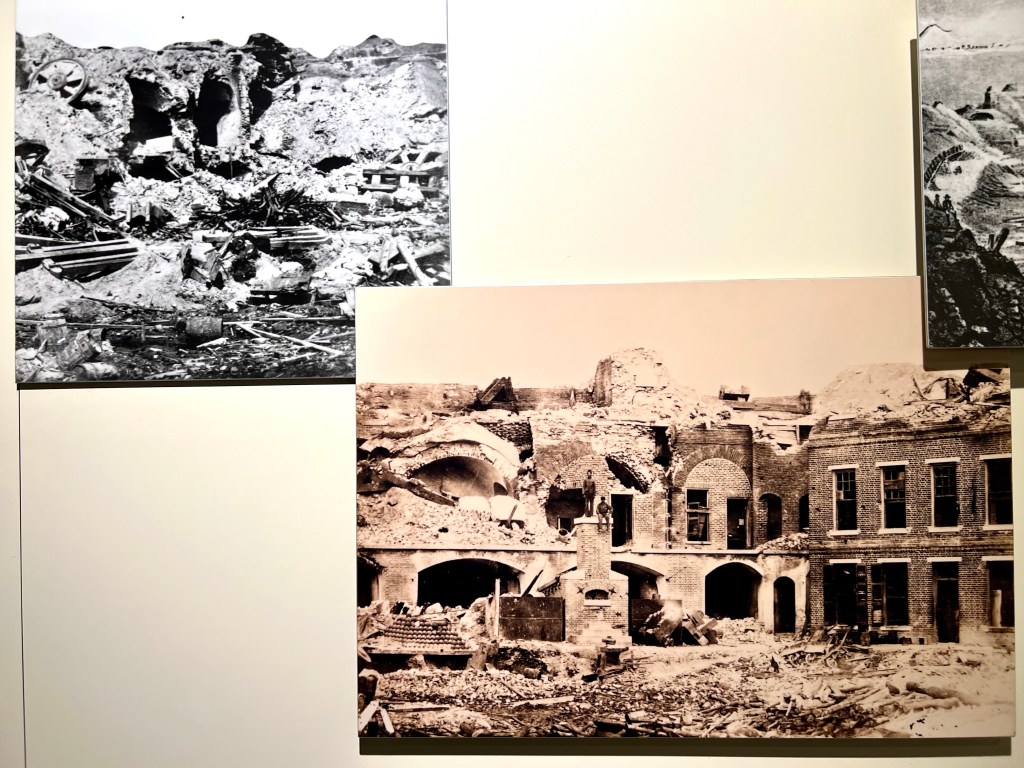
During the war…
.
.
And after.
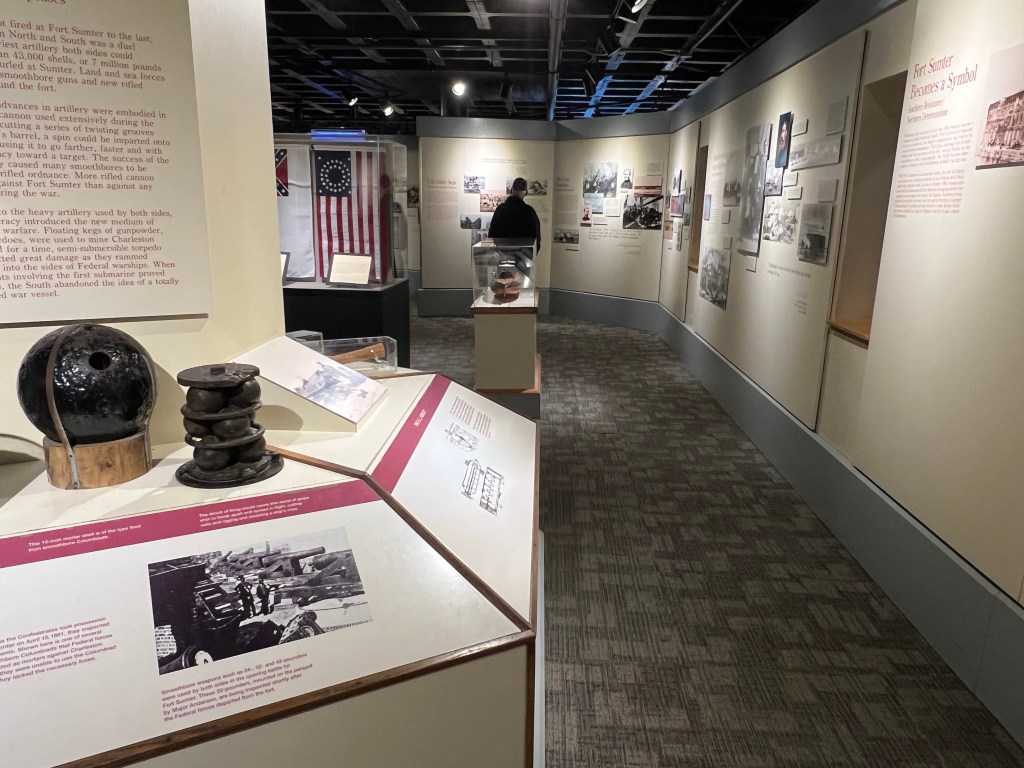
The museum itself was small, with lots to read but very few artifacts.
.
.
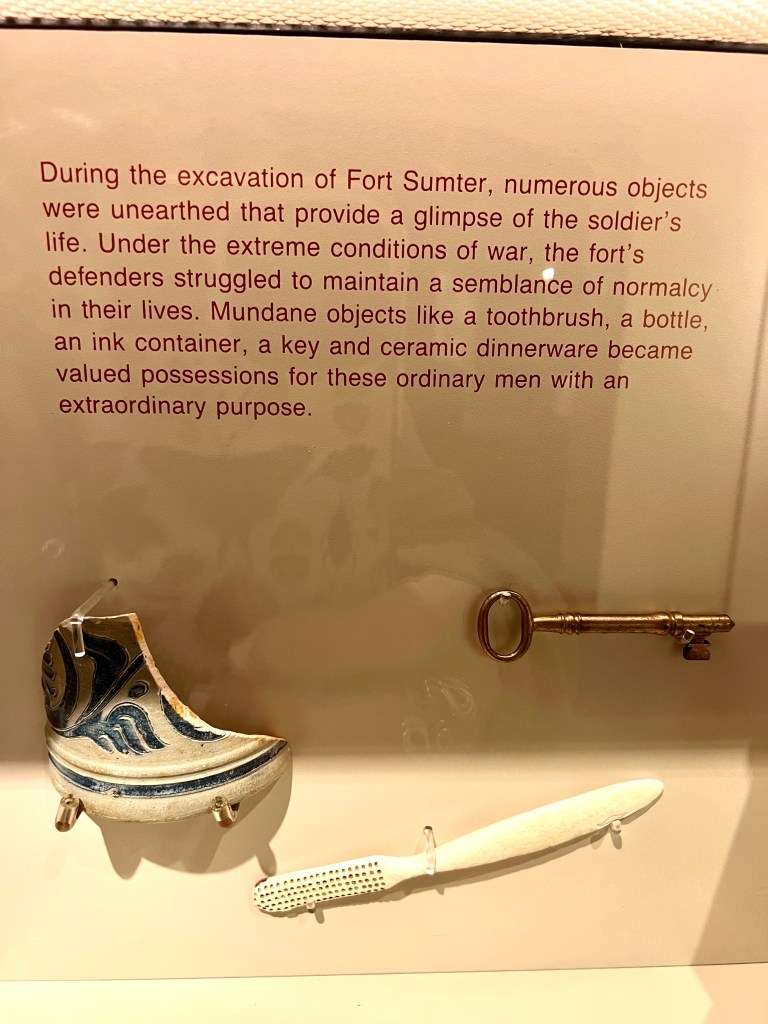
But a Civil War toothbrush? That’s history nerd buff gold.
.
.
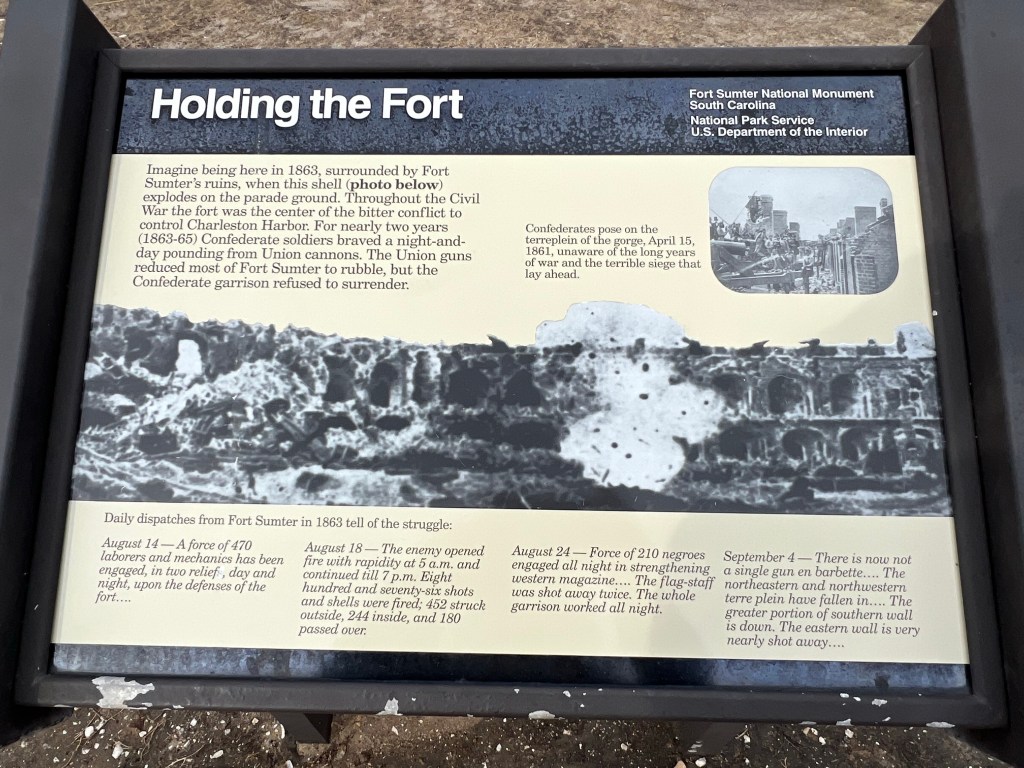
I won’t bore you with a lot of history but this was especially poignant to me.
.
.
Those Who Would Be Free African-Americans and the Fight for Fort Sumter.
Thousands of African-Americans were involved in the Civil War, either by force or by choice. The South used slaves as laborers at war points within the Confederacy. The North enlisted more than 170.000 free men of color in the Union Army. These willing soldiers saw action in virtually every theatre of the war, including Charleston. As soon as war commenced in 1861, slaves were gathered from Southern plantations and sent to such Confederate strongholds as Fort Moultrie and Fort Sumter. Amid the chaos of battle they repaired the forts, built batteries, mounted guns, waited on officers and acted as messengers. At Fort Sumter, slaves worked in constant danger to help defend the fort against the very forces seeking to win their freedom. African-American soldiers in the Union Army served voluntarily distinguishing themselves at such battles as the assault on Fort Wagner on Morris Island. Here, the 54th Massachusetts made history as the first African-American military regiment to ennoble themselves in battle. As word of their courage spread, thousands of other African-Americans volunteered in the war to reunite the country.
.
Imagine being forced to defend an installation that’s fighting to keep you enslaved.
.
.
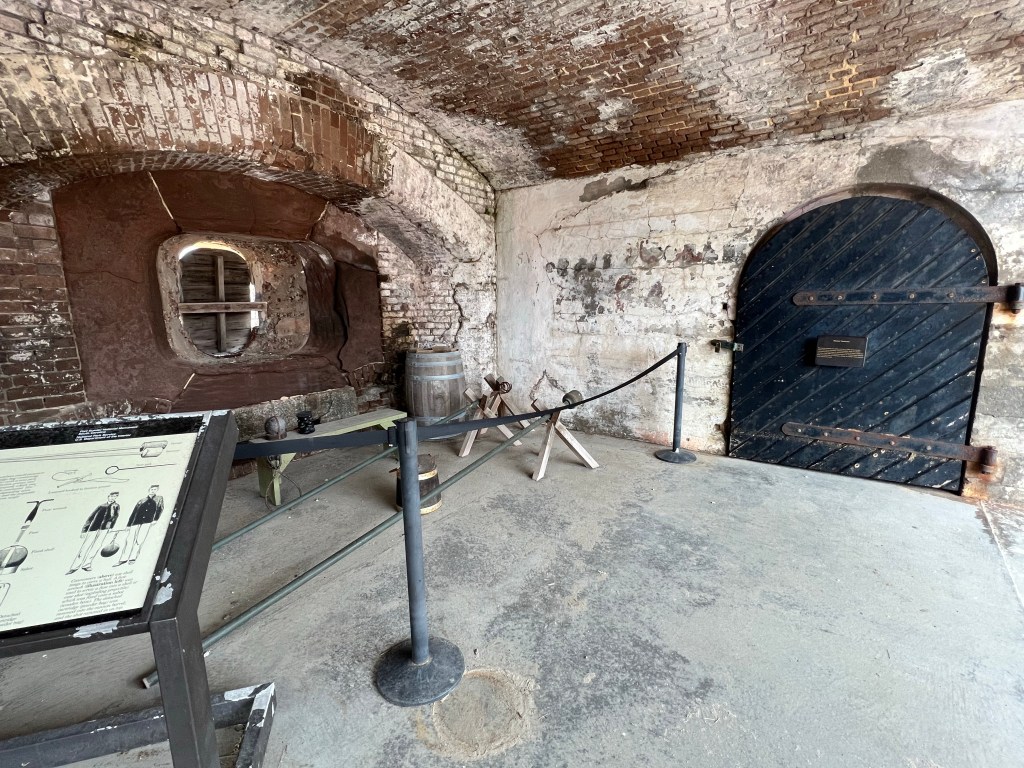
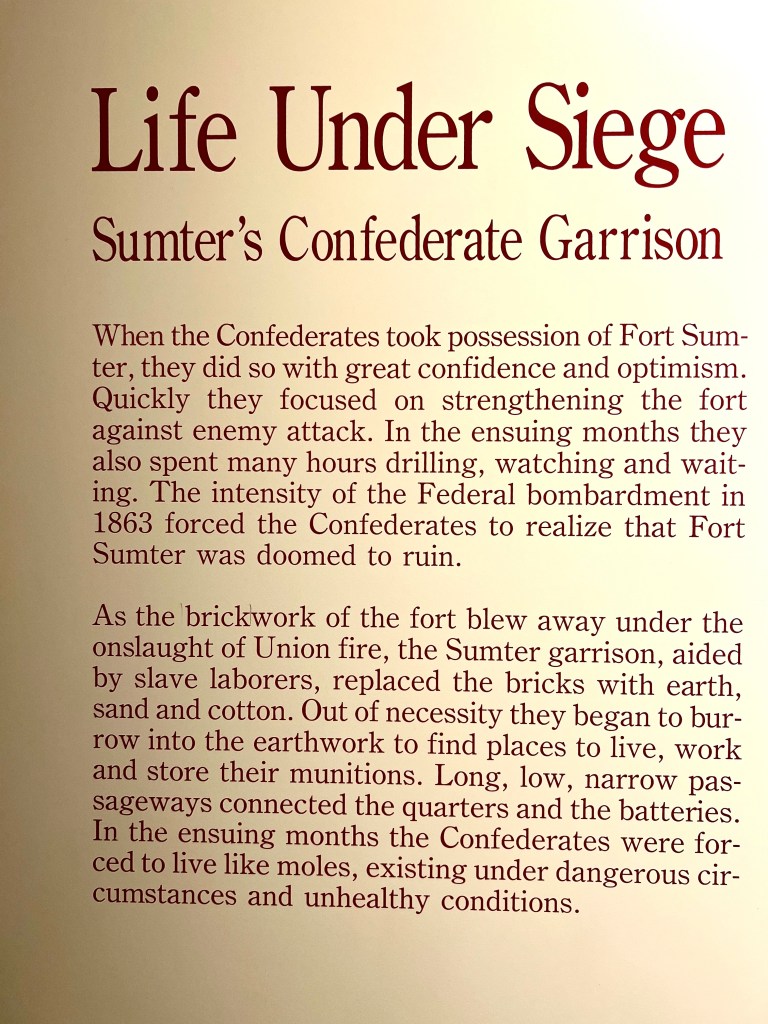
Soldiers were basically living like tunnel rats.
.
.
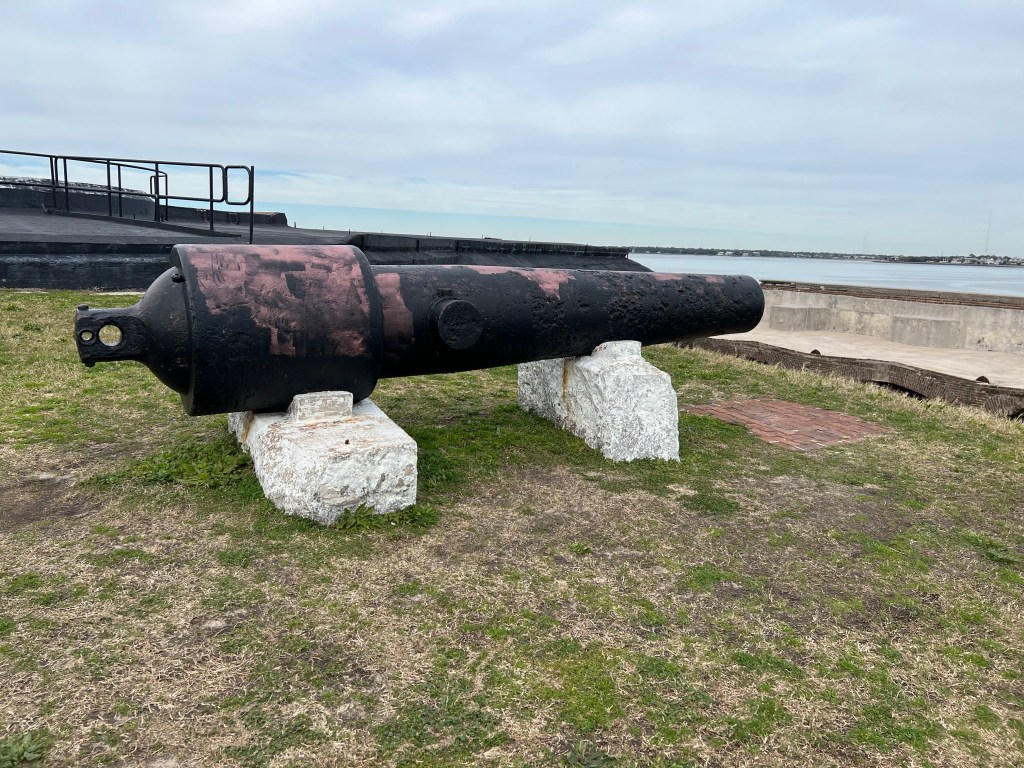
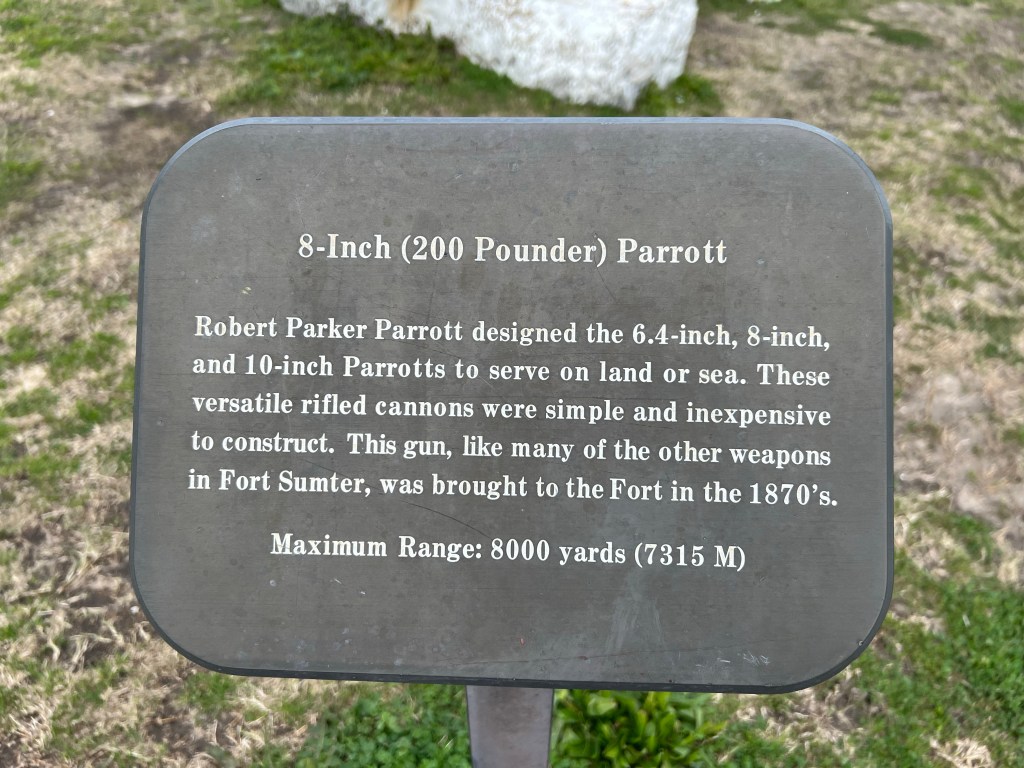
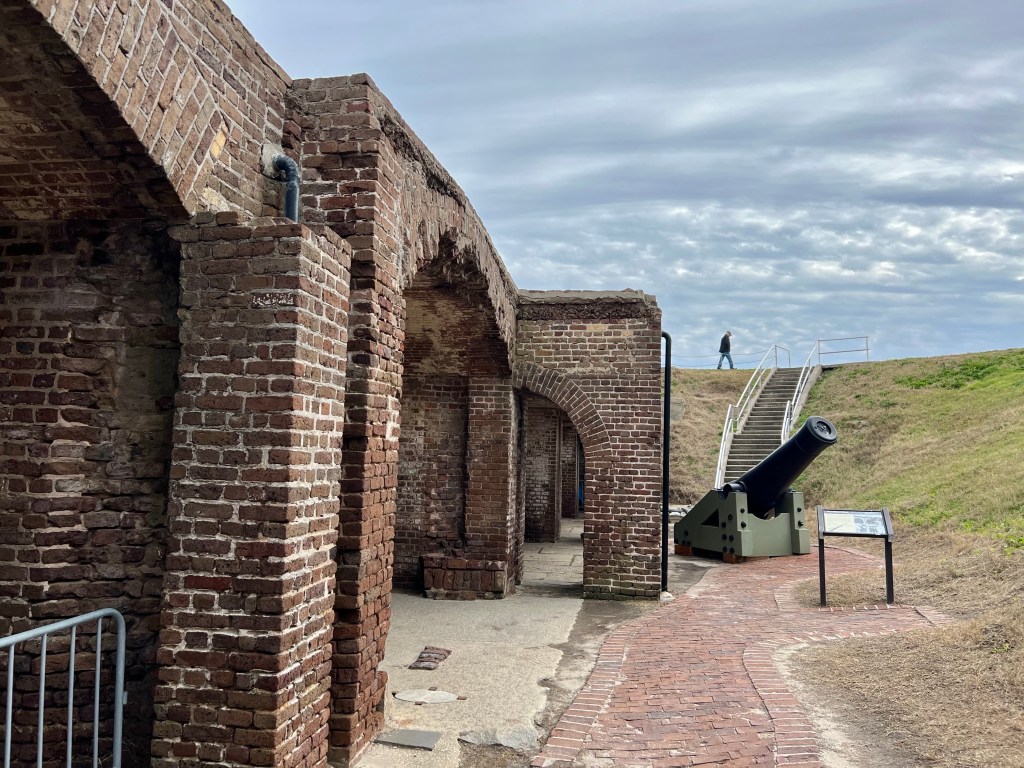
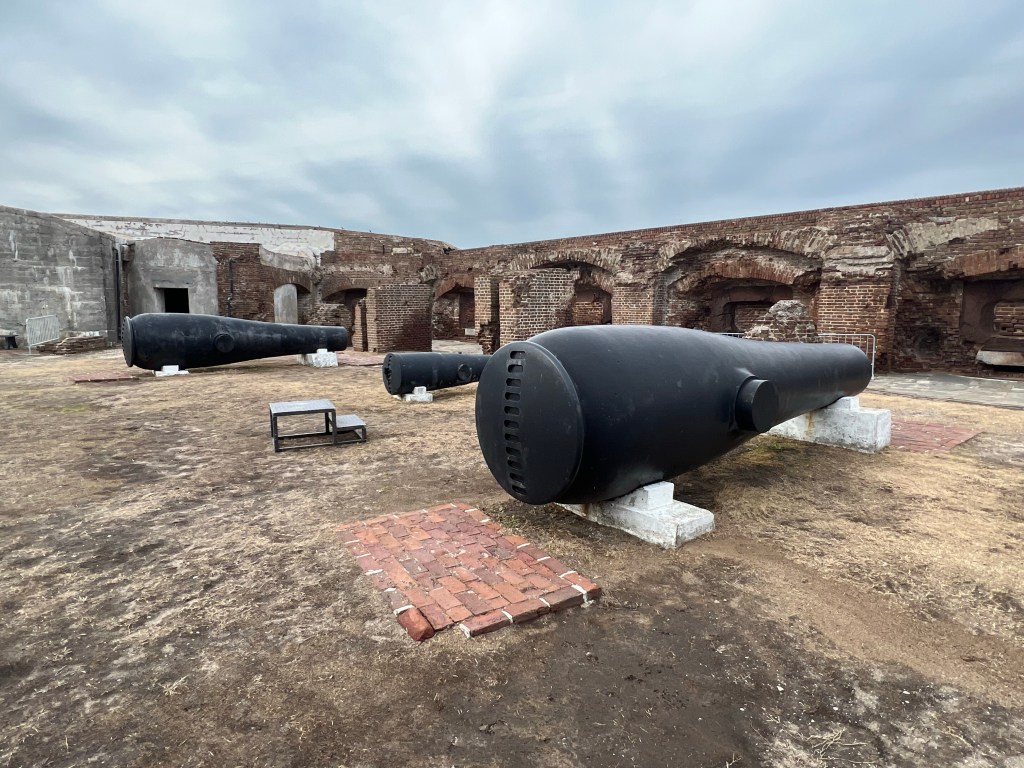
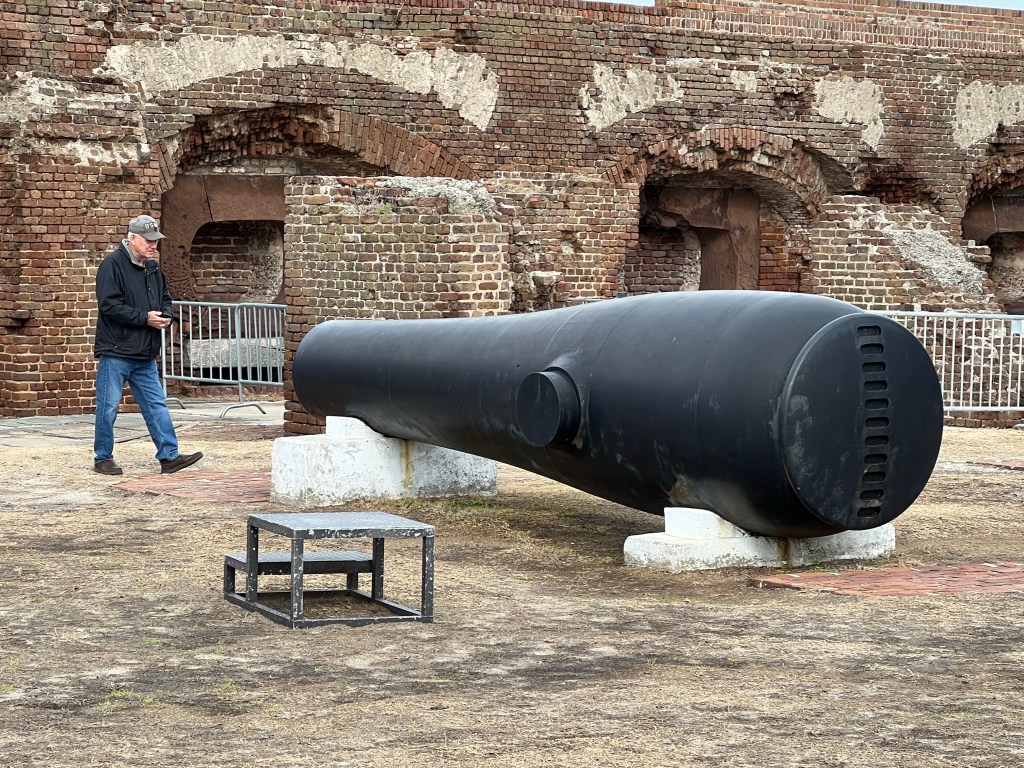
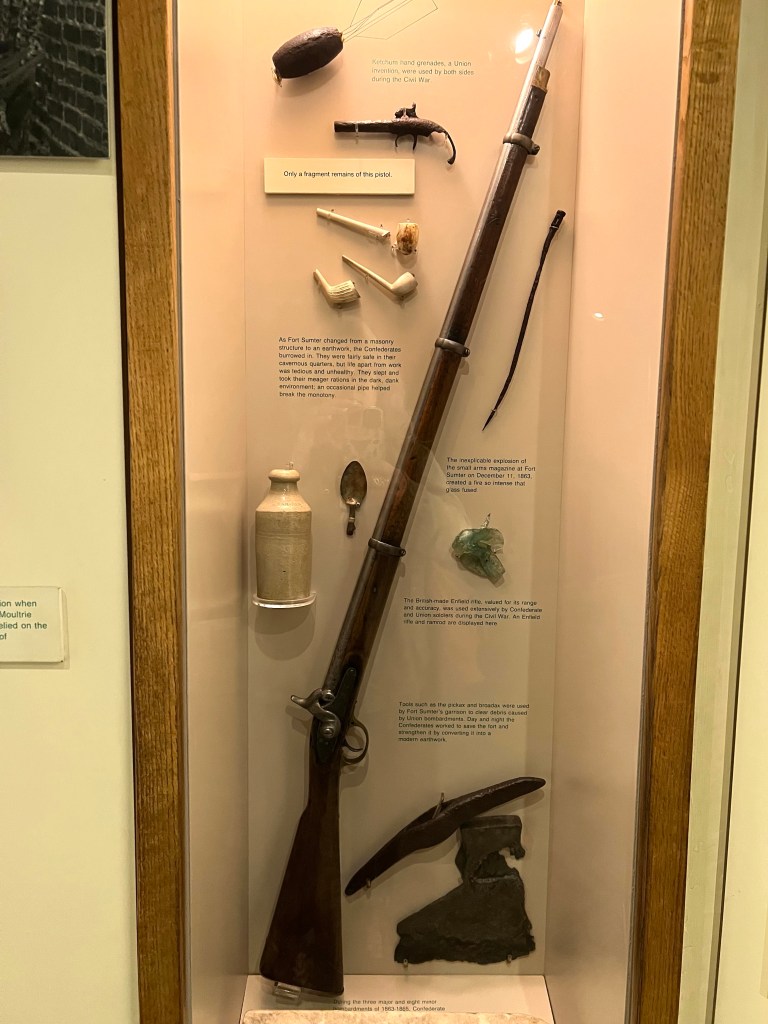
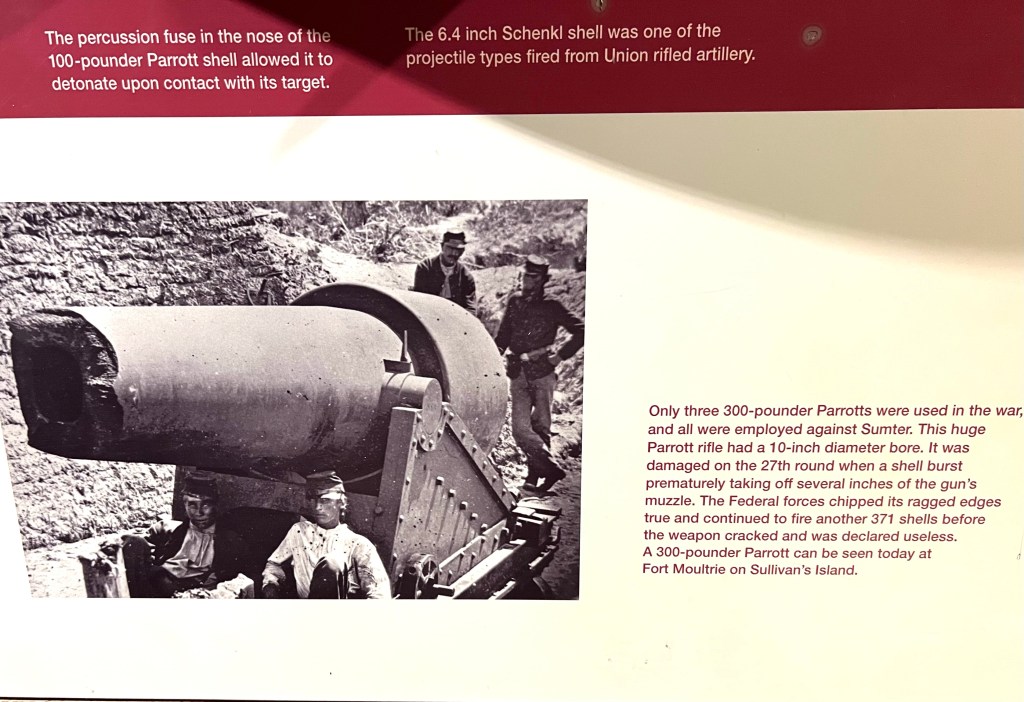
And the armament that was used back then?
Wow.
.
.
Unbelievable.
.
.
Too bad they didn’t have duct tape.
.
.
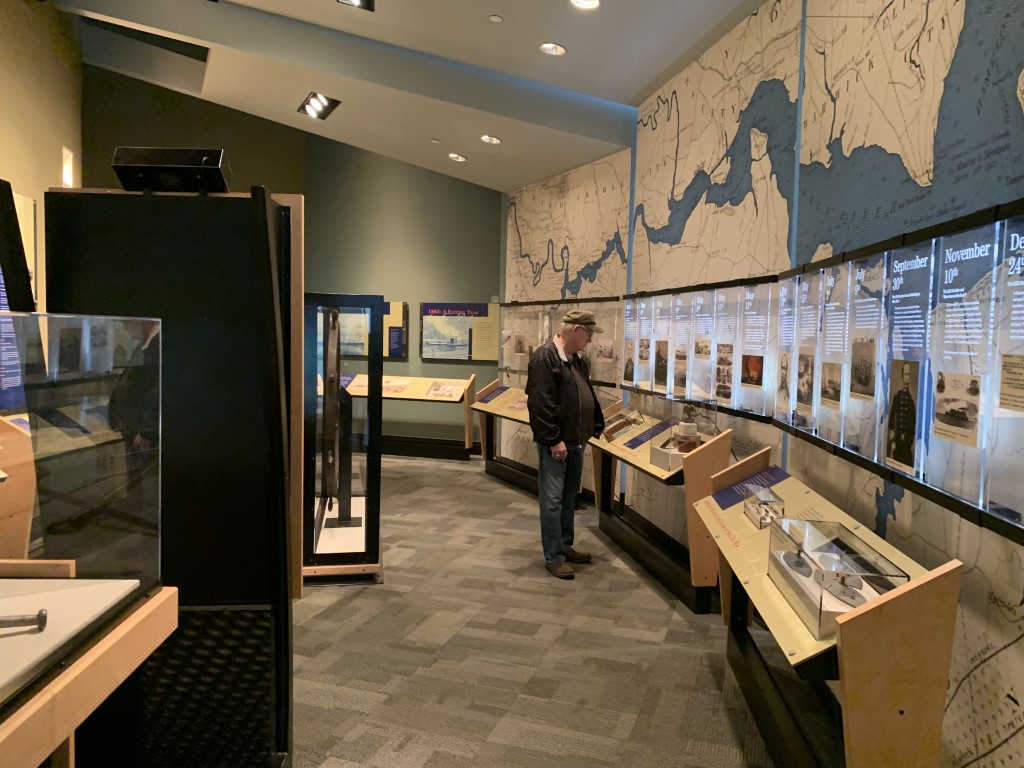
Short on time, my speed reading came in handy. Not so my husband who read one placard to my 6. That’s him in the background way back at the beginning.
.
.
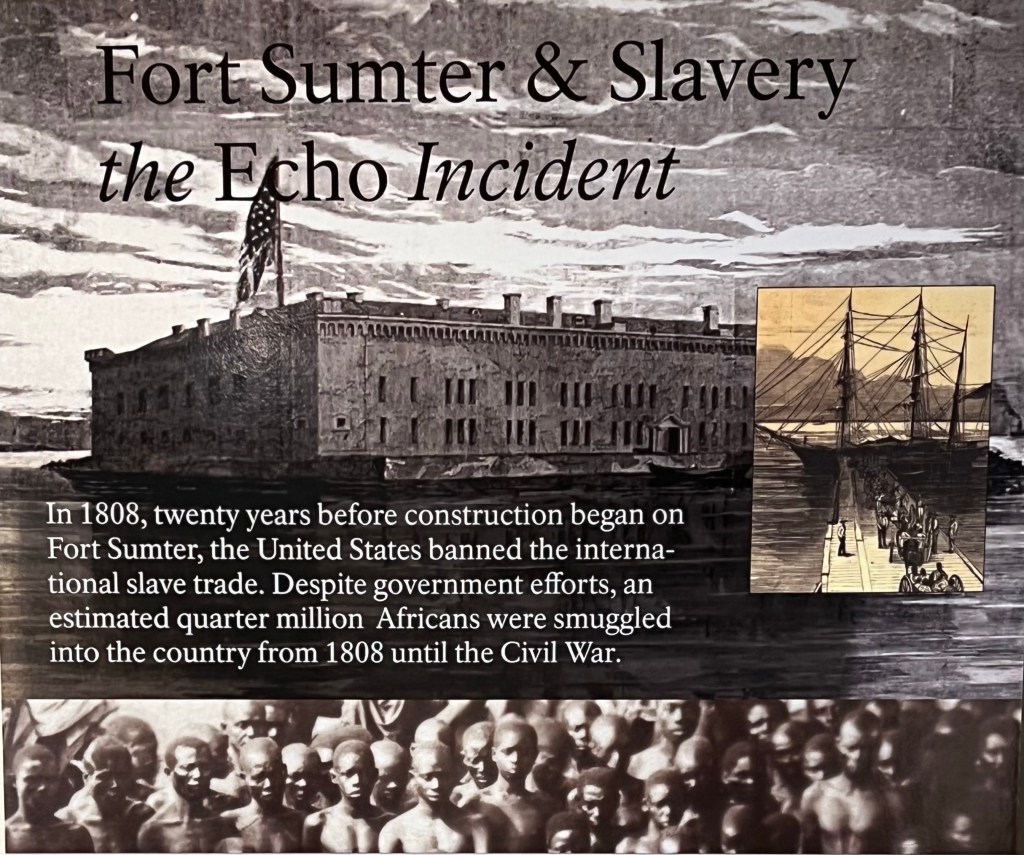
In 1858 Fort Sumter became involved in one of the most notorious episodes in slave smuggling. On August 21 the U.S. Navy captured the slave ship Echo and brought it into Charleston Harbor. Of 450 captives, mostly young African girls and boys, 144 had already died. Initially held at Castle Pinckney, the Africans were moved to the larger Fort Sumter still under construction. Following sensational descriptions of their emaciated state, entrepreneurs arranged harbor cruises to witness the grim spectacle at Fort Sumter. Thirty-five captive Africans died while kept at Castle Pinckney and Fort Sumter. Although some Charlestonians provided food and clothing, oth- ers argued that the captives should be sold into slavery. On Constitutional grounds, President James Buchanan ordered the Africans transported home onboard the steamship Niagara. Even with medical care, only 196 of the original 450 captives were still alive by the time they reached Monrovia. The captain and crew of the Echo were tried and acquitted on a technicality.
.
That’s a horrible story I knew nothing about before this visit.
One half of the museum was devoted to the Civil War, the other to its previous life.
.
.
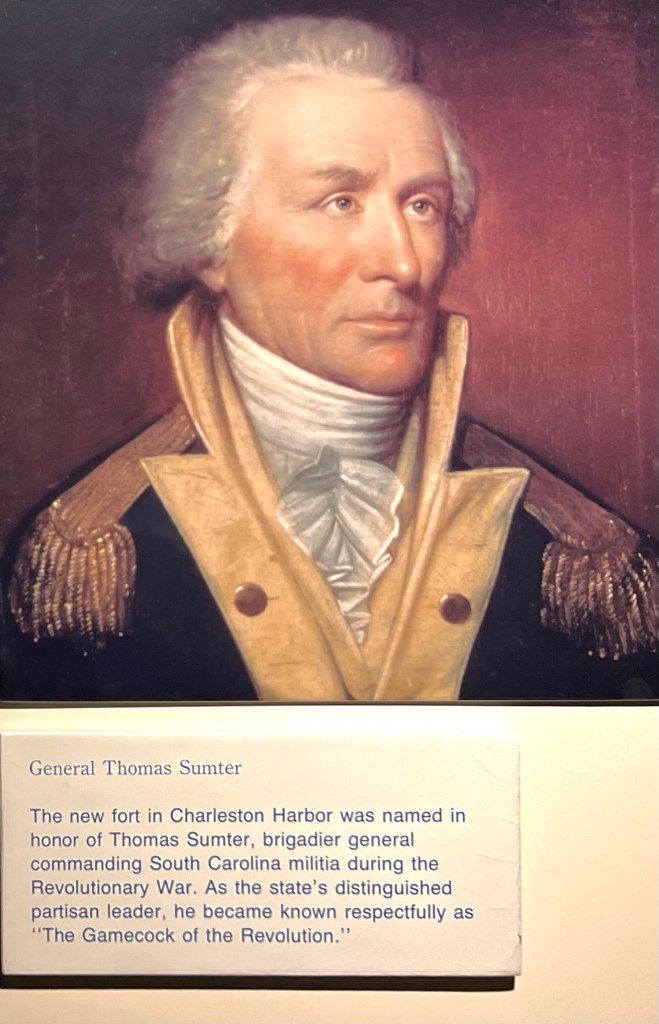
Yes, this cross eyed gentleman is the Fort’s namesake.
Sadly I had to drag the husband outside before we’d even glanced at the second half of the museum but my watch said we only had 18 minutes left and missing the boat was not an option.
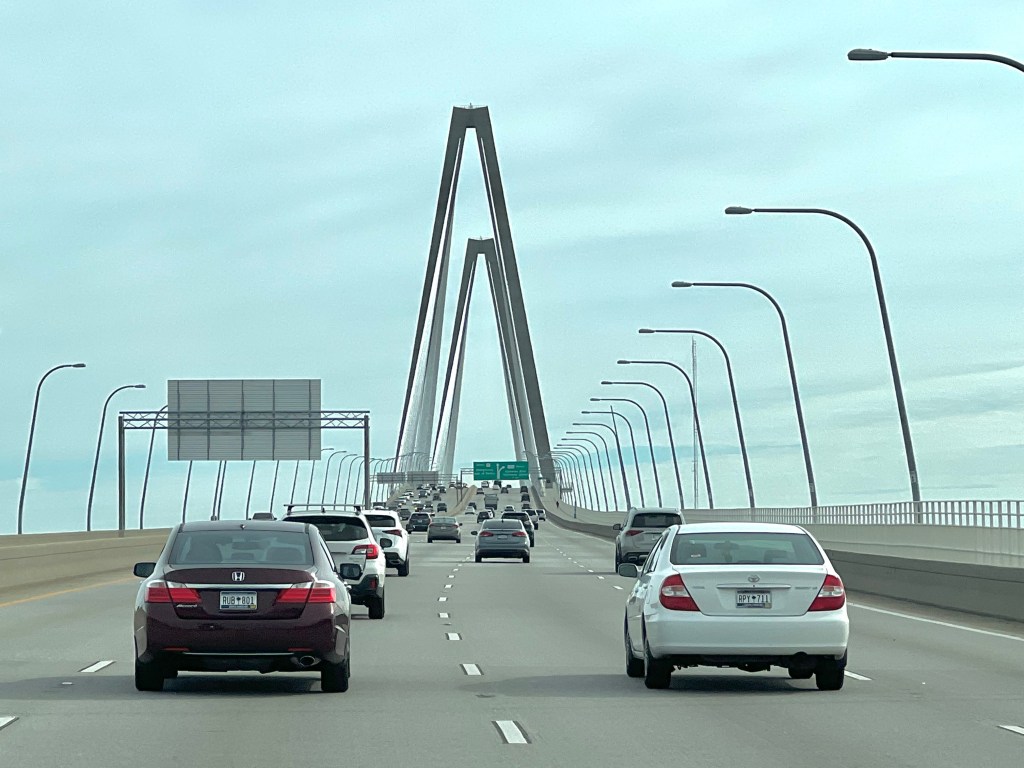
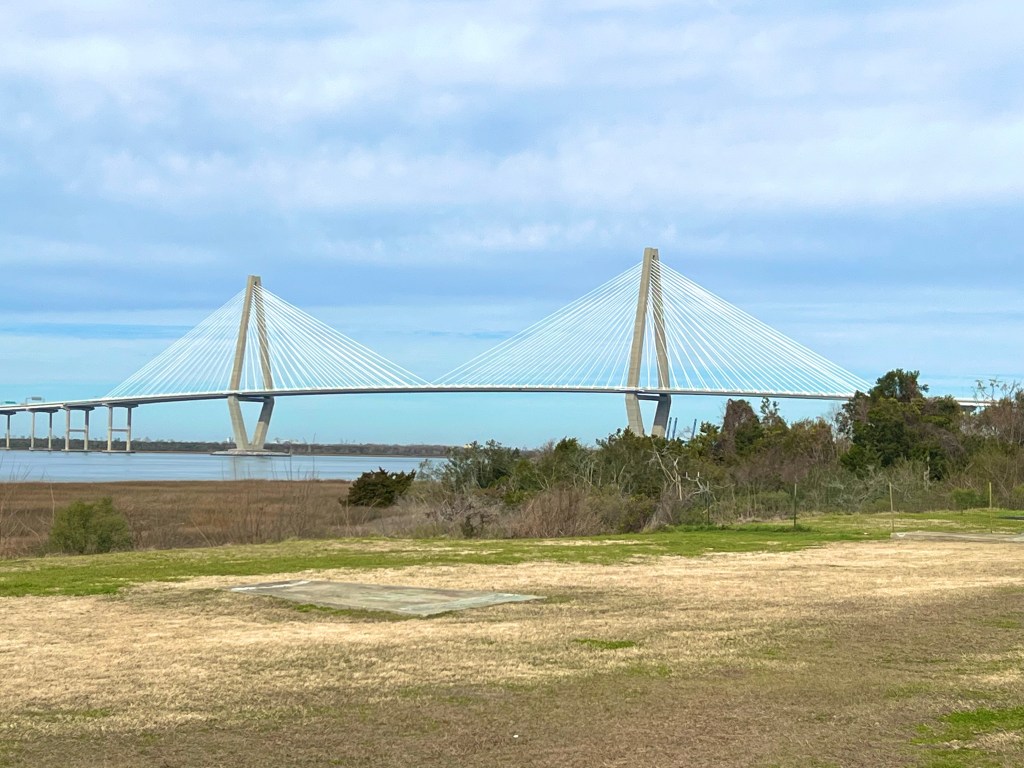
Or more precisely over the locally famous Ravenel bridge …
.
.
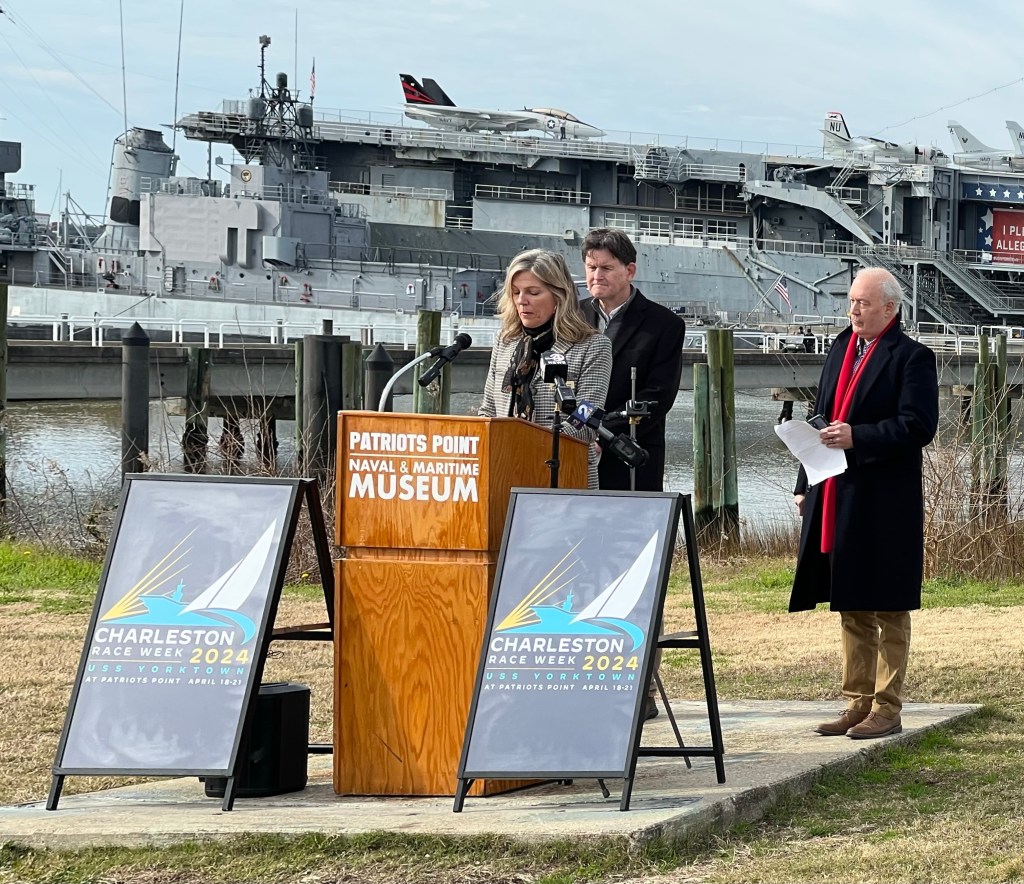
To Patriots Point where we had tickets for a ferry. We arrived early as traffic can be tricky and stumbled on a press conference in the parking lot with the USS Yorktown in the background.
.
.
The mayor and two other officials were rambling on about an upcoming spring yacht race…
.
.
Which we wouldn’t be in the area for nor cared anything about, but my husband being my husband…
.
.
Had to stand there and listen to the whole thing because at the end there was a question and answer period and he asked a question. Why? Because the man has to talk.
While he was doing that I looked around and took photos…
.
.
The bridge from Patriots Point.
.
.
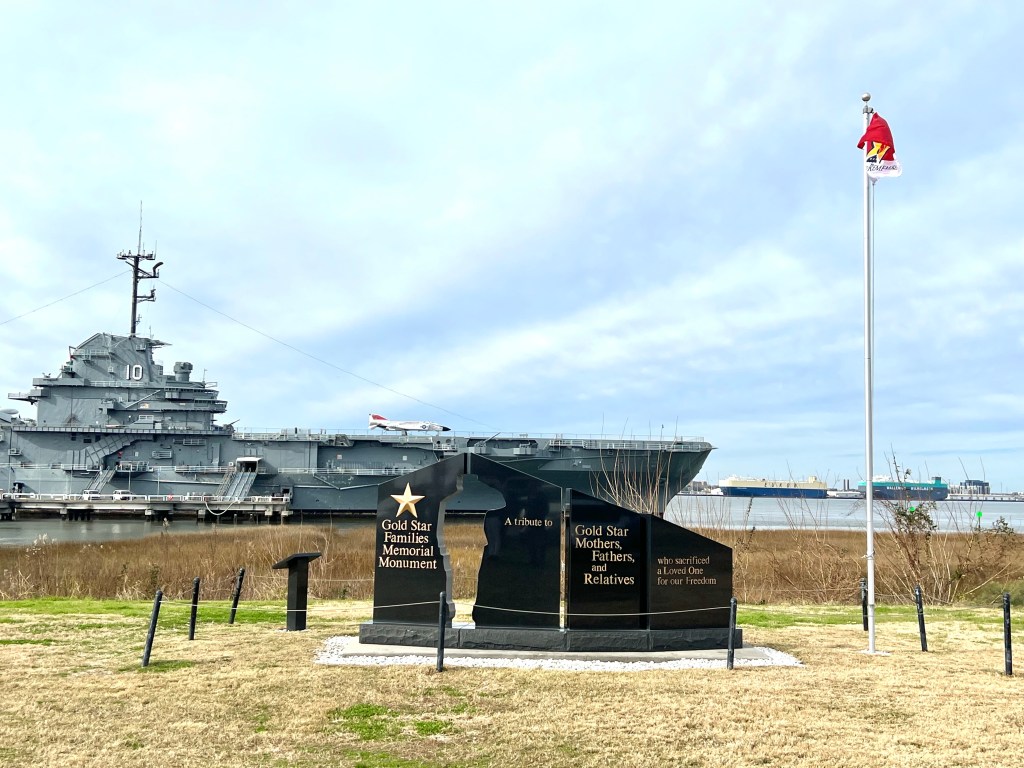
The memorial and half of the Yorktown. I wish I’d known the ship was here, I would have scheduled time to tour her.
.
.
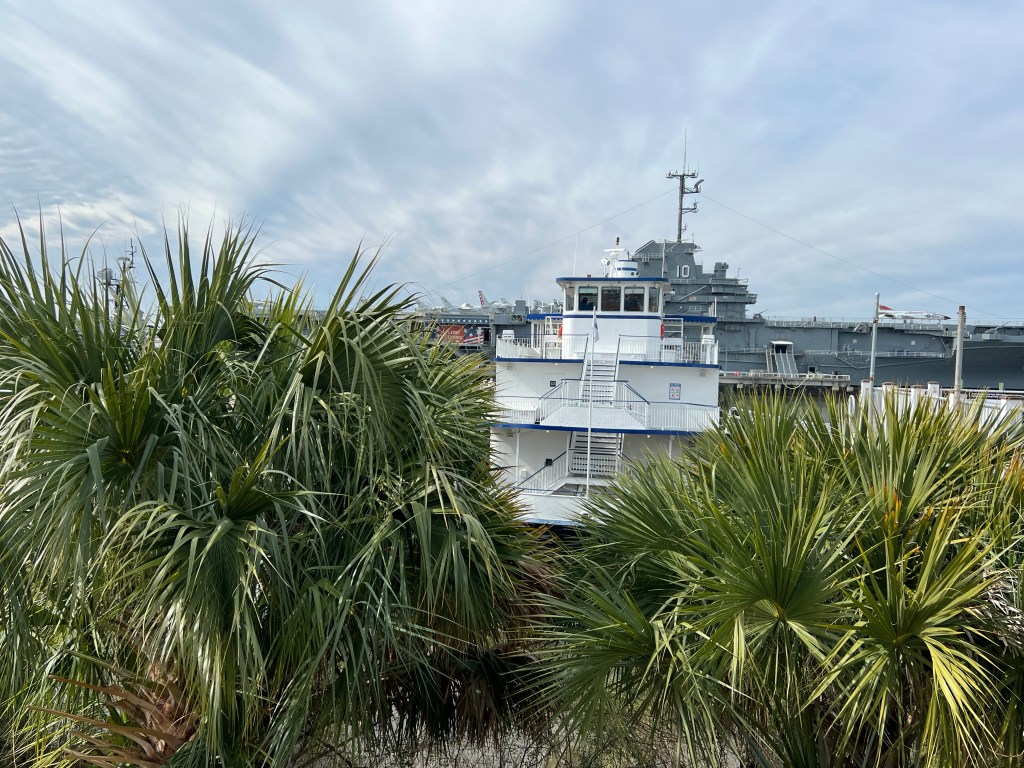
Our ferry.
.
.
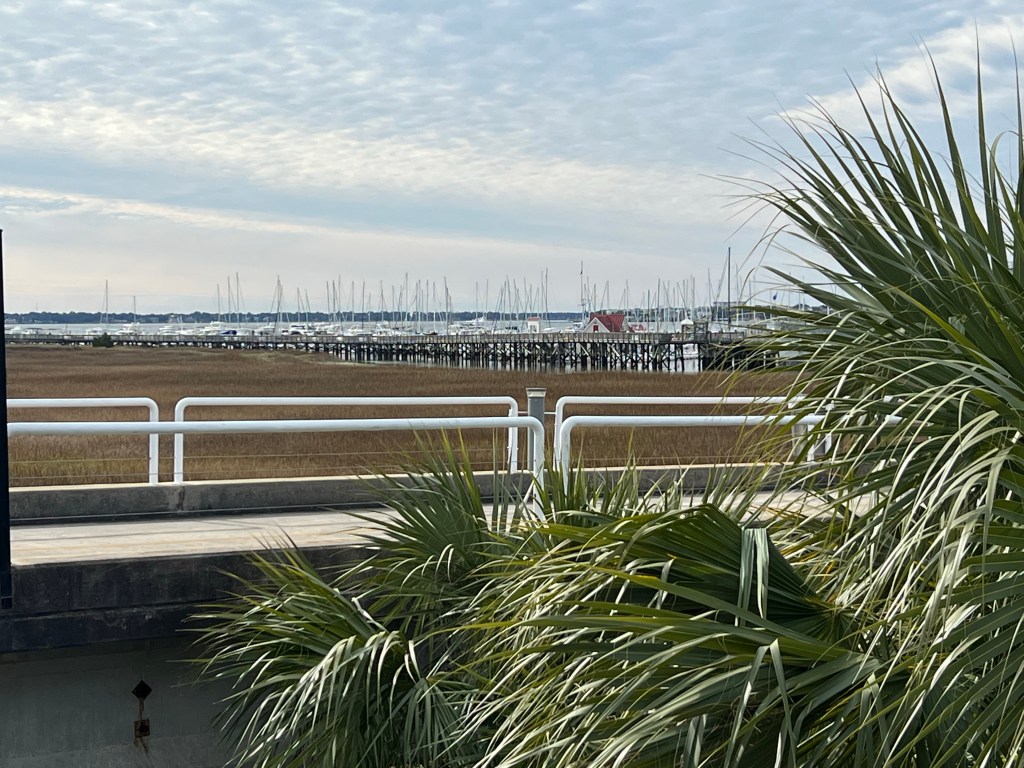
The harbor.
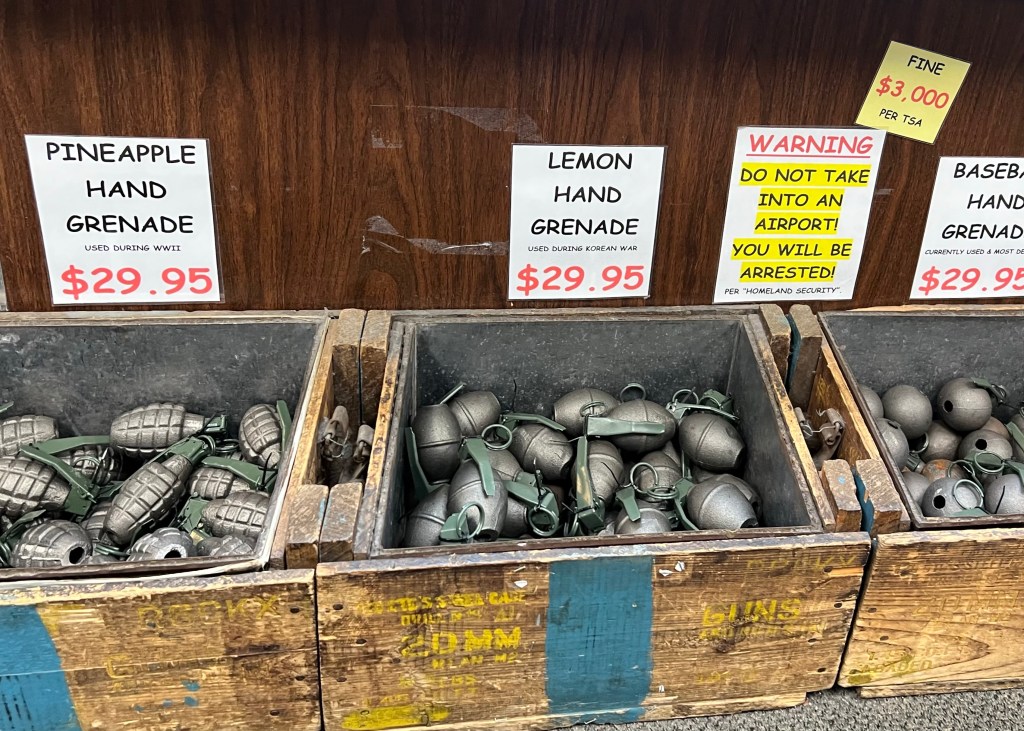
And since my husband was still standing at the press conference? I checked out the gift store.
.
.
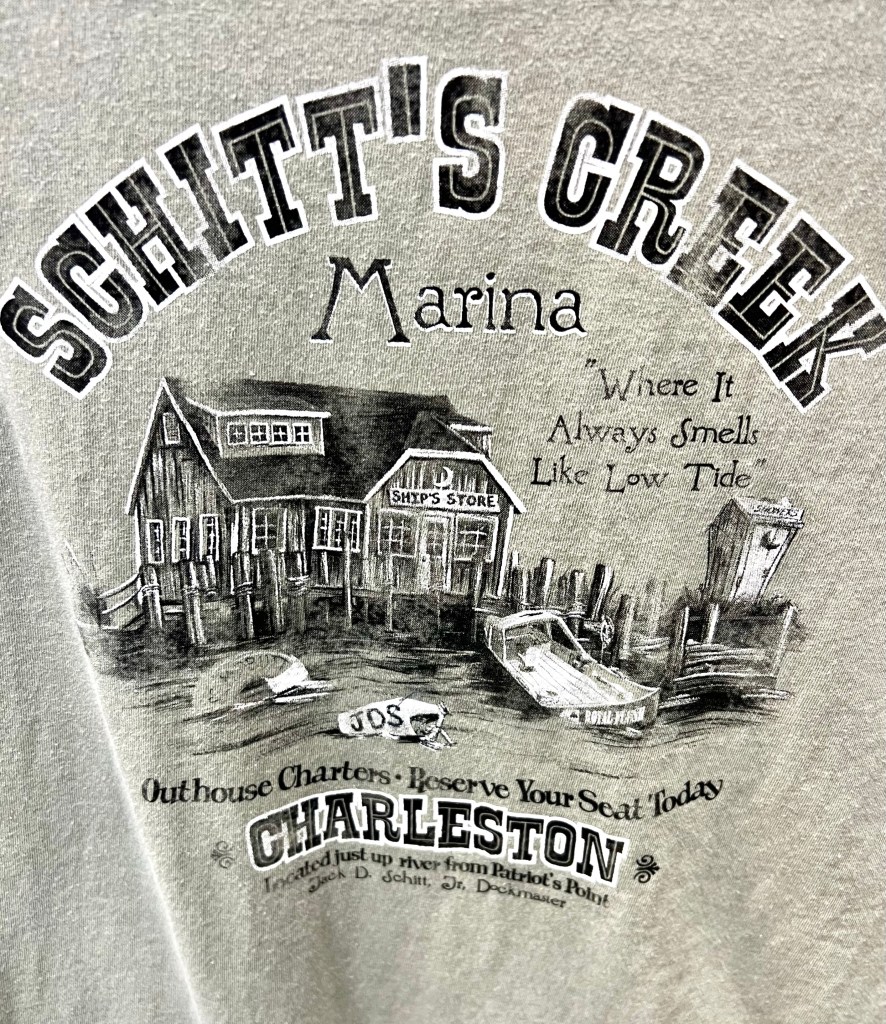
Where the gifts were decidedly low brow.
.
.
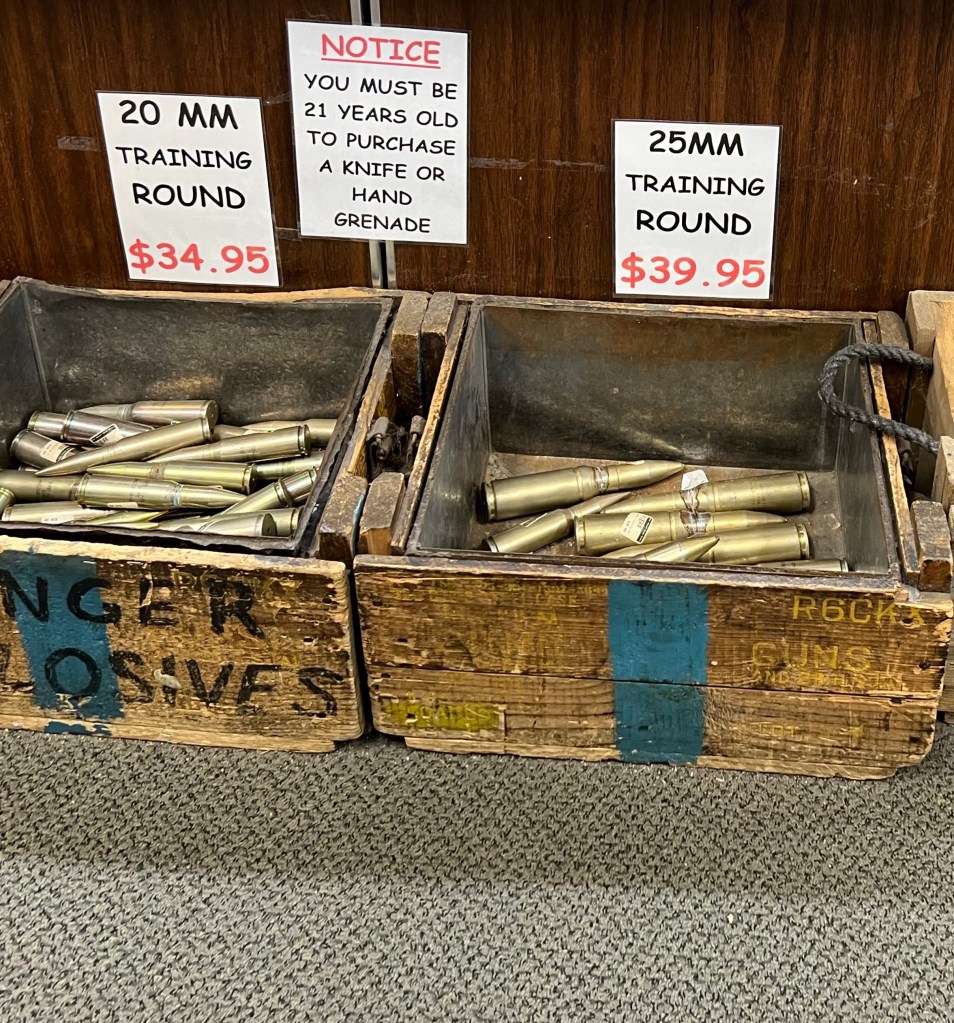
As well as deadly.
.
.
This was absolutely bizarre to me. You’d never see ammunition for sale like this in Maine. It was just sitting there on the floor, in open boxes… where any child could take one.
WTH?
.
.
Press conference over, we boarded our ferry.
.
.
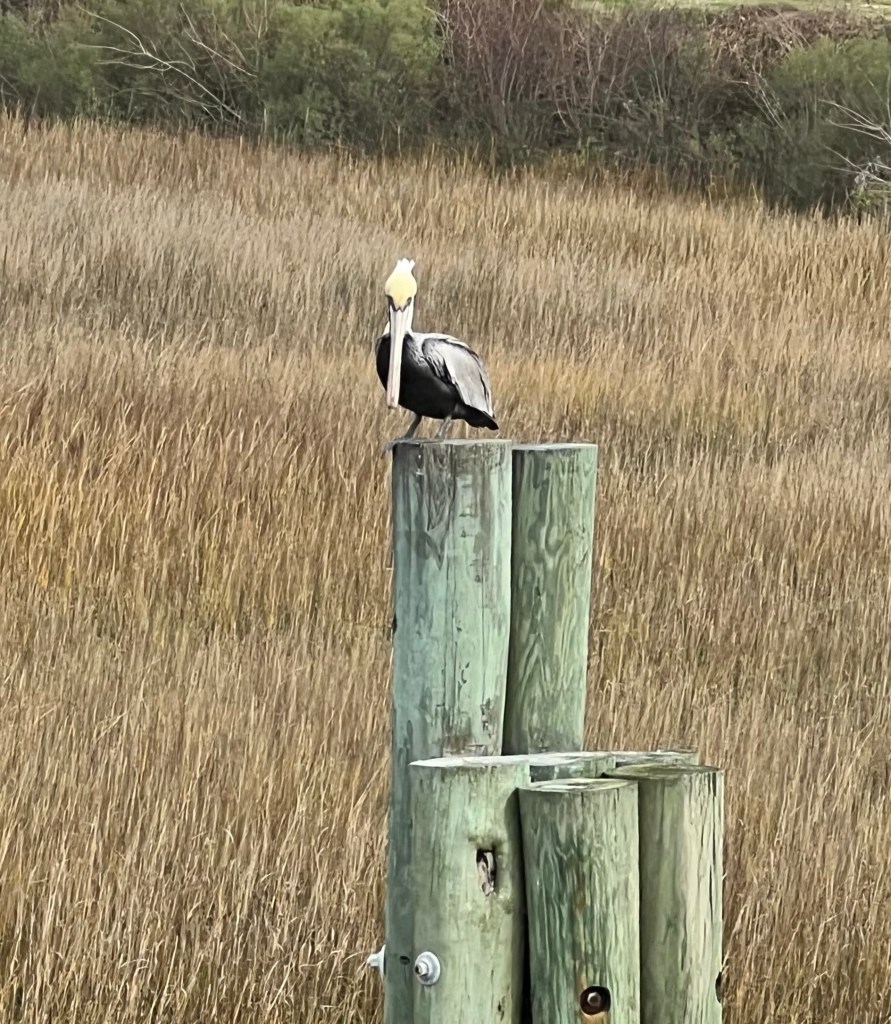
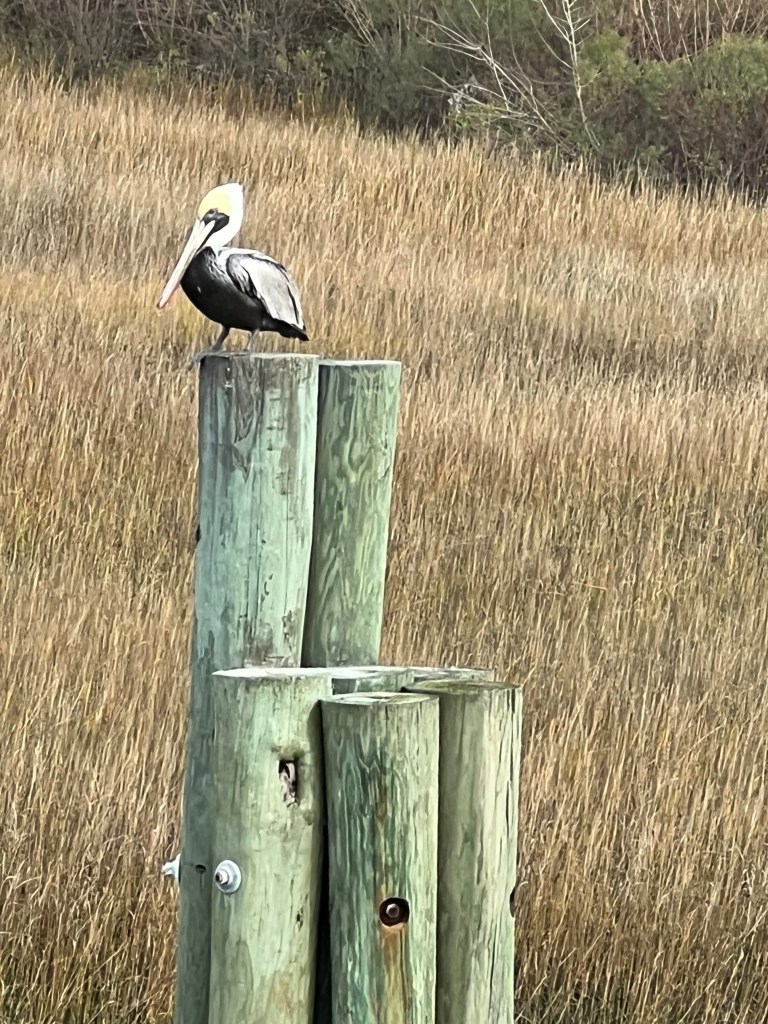
Under the watchful gaze of some pelicans.
.
.
Who pose quite nicely for tourists.
.
.
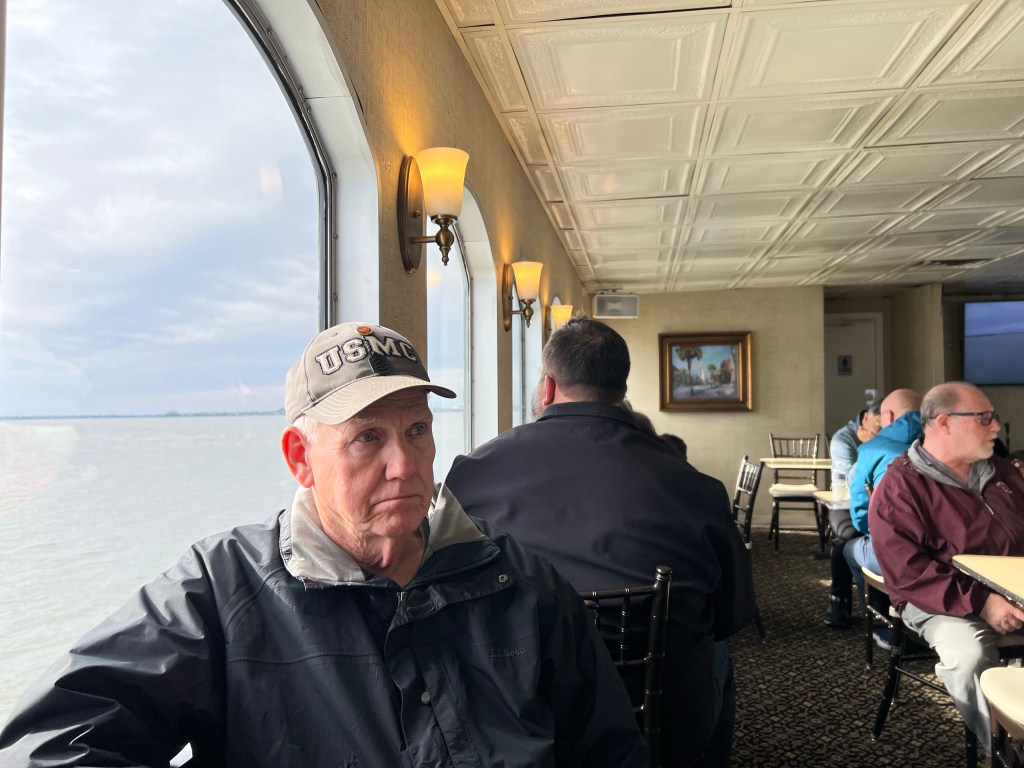
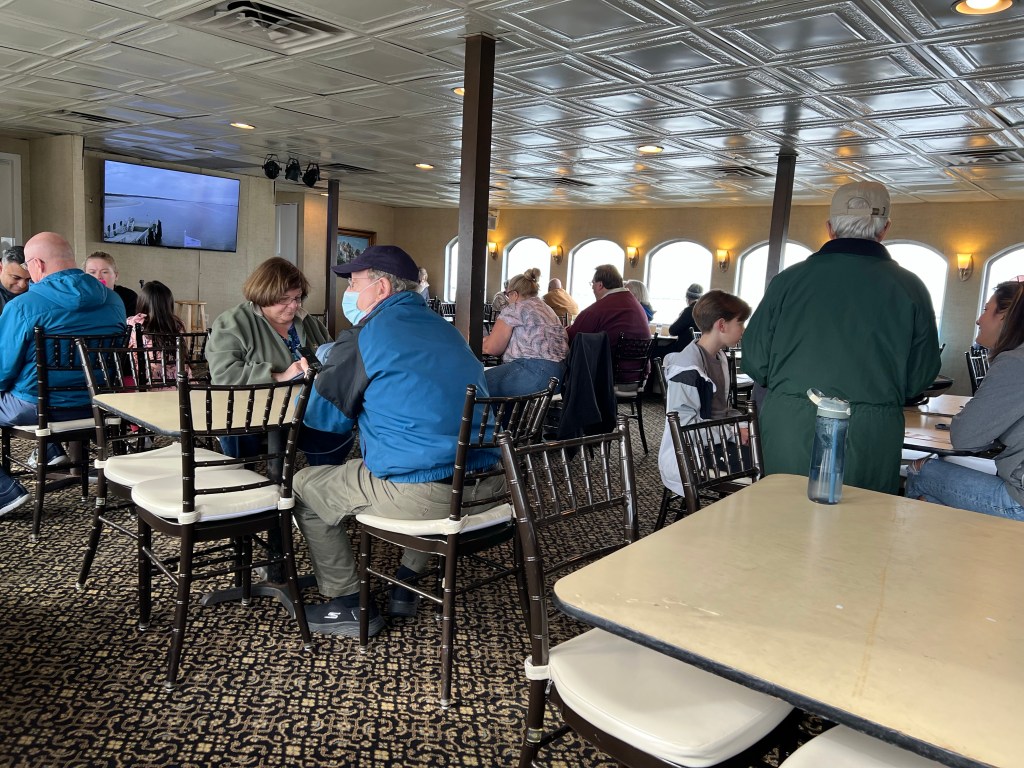
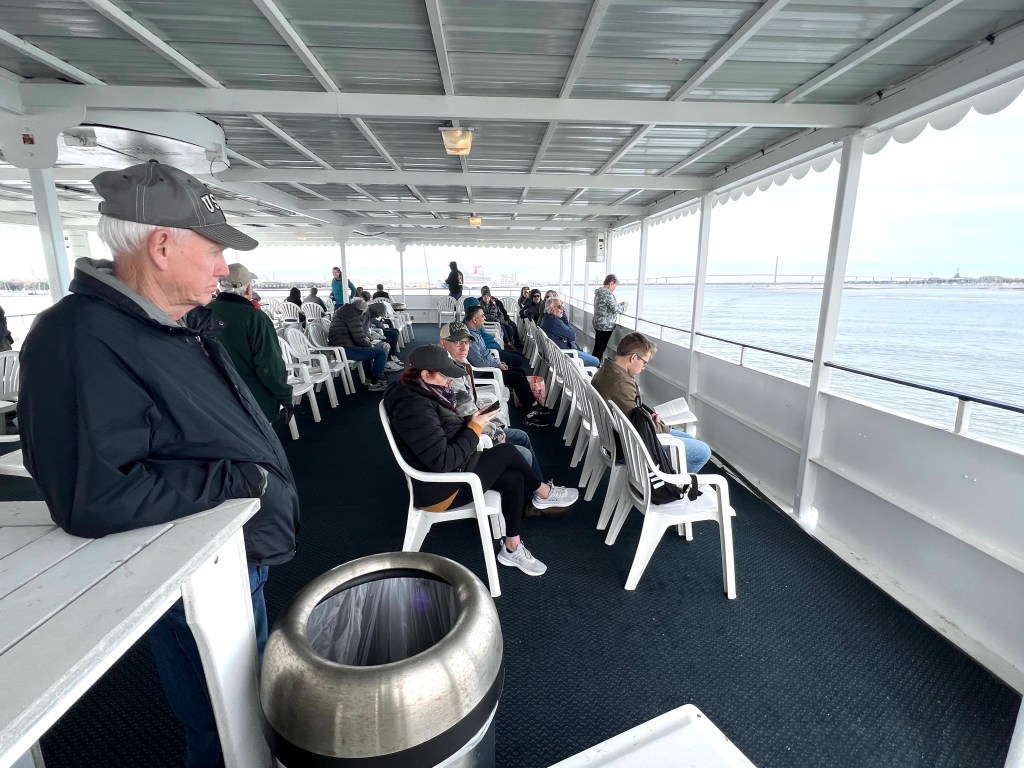
The ferry had two decks but it was a cold and windy afternoon so we went downstairs to cut the breeze.
.
.
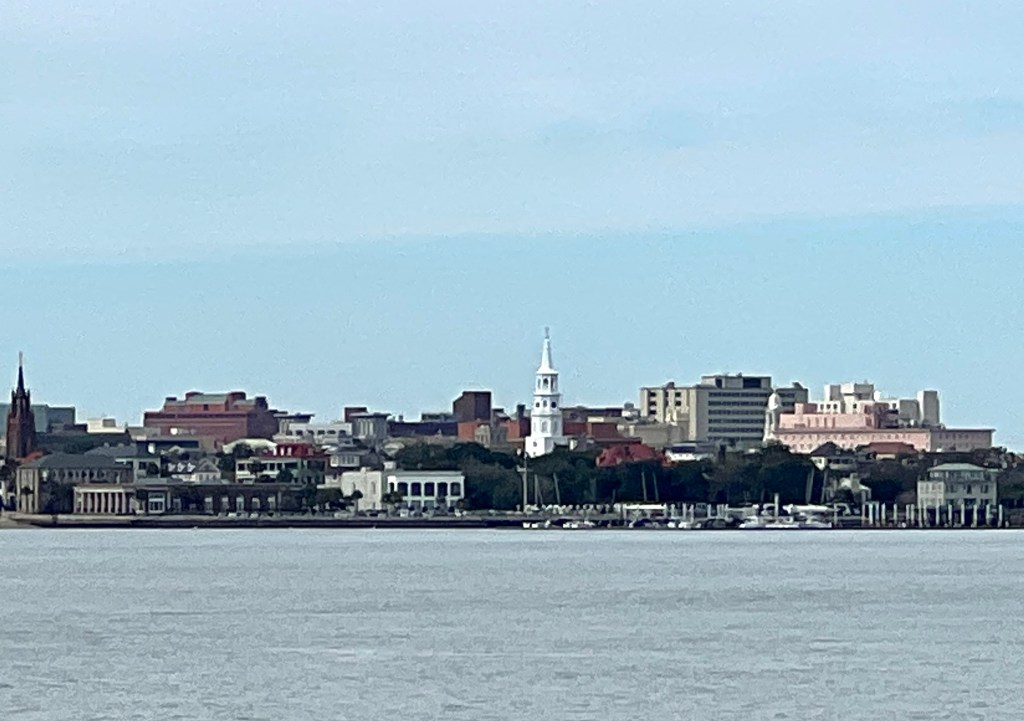
Charleston.
.
.
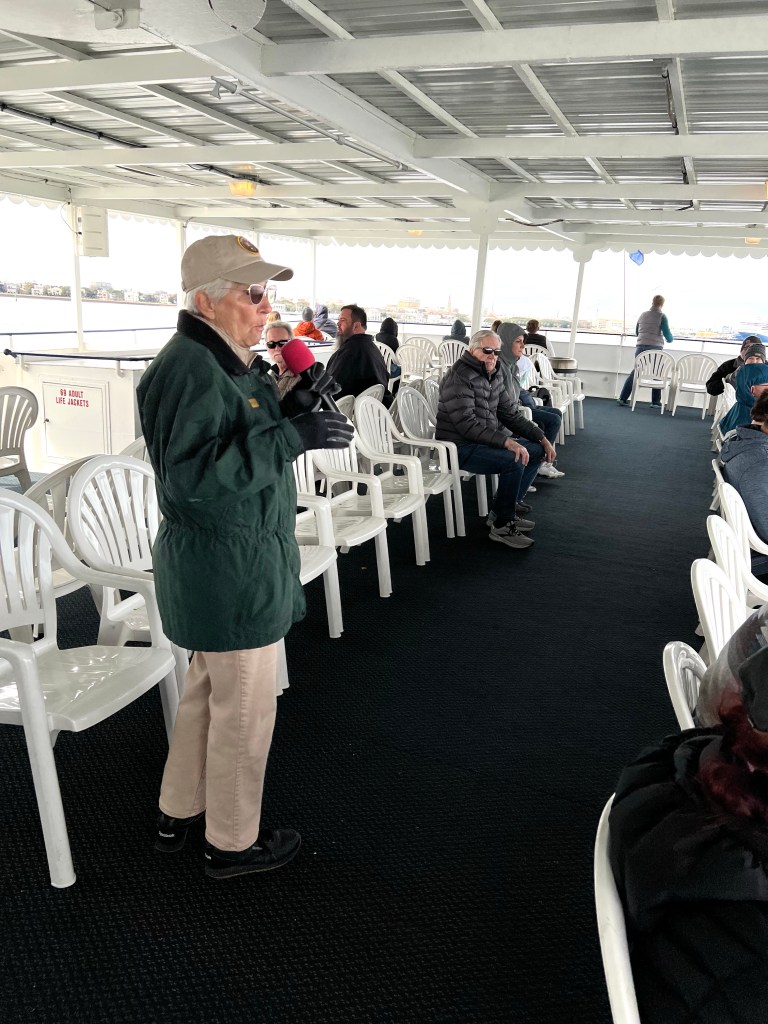
A U.S. Park ranger gave an interesting lecture on the history of the place we were going to see.
.
.
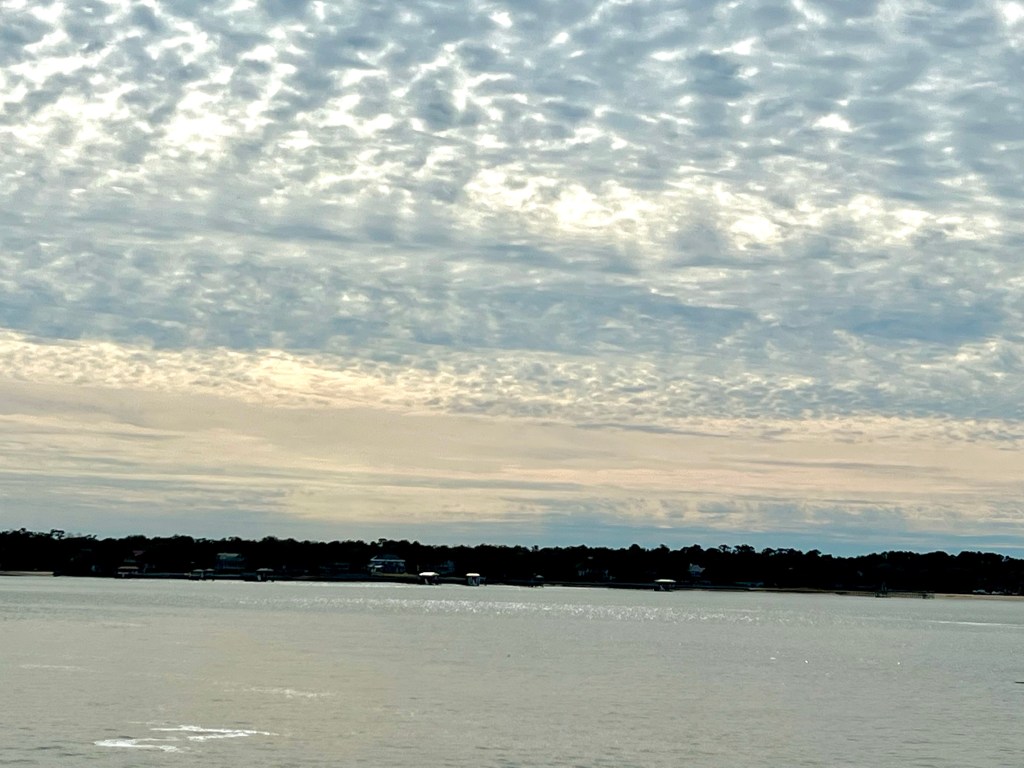
And though it was an overcast sky…
.
.
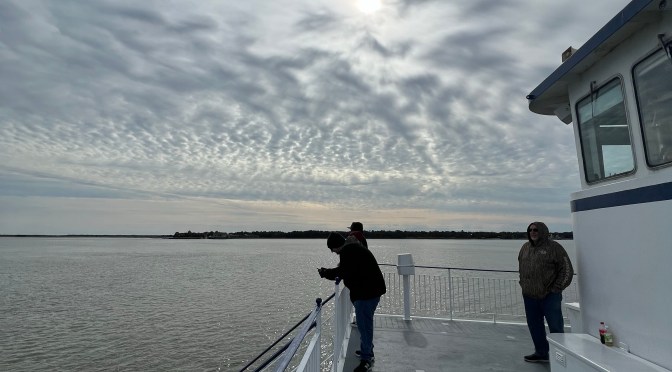
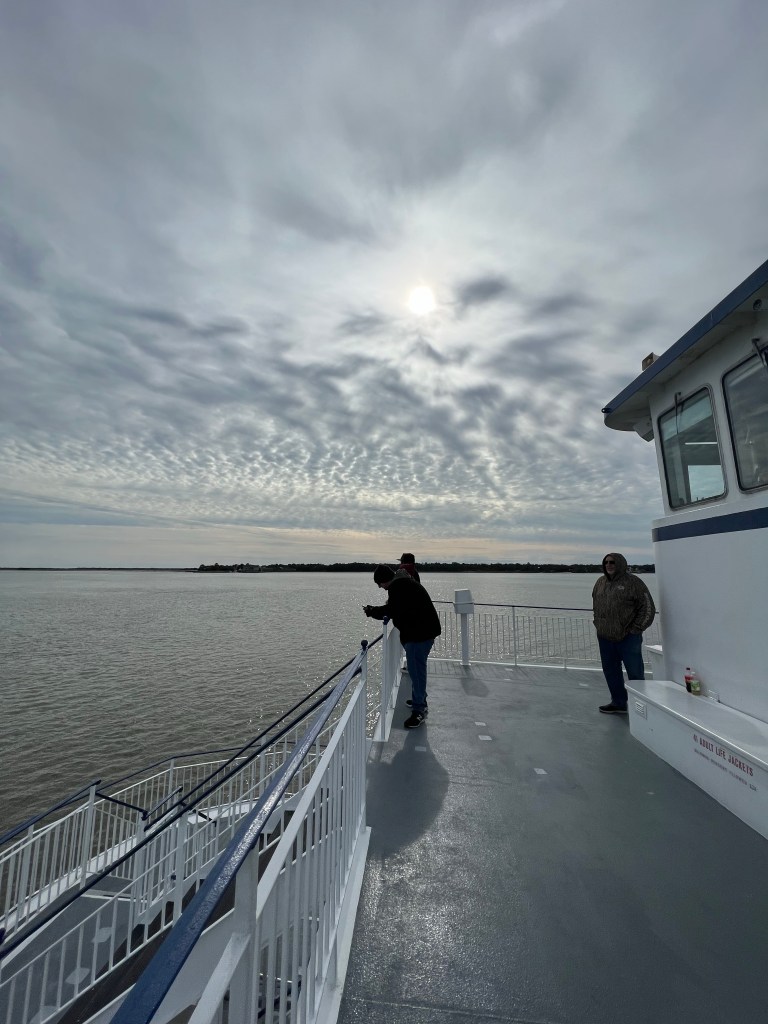
It was still a lovely ride once I dragged my wind beaten spouse upstairs to the open deck.
.
.
After 20 minutes…
.
.
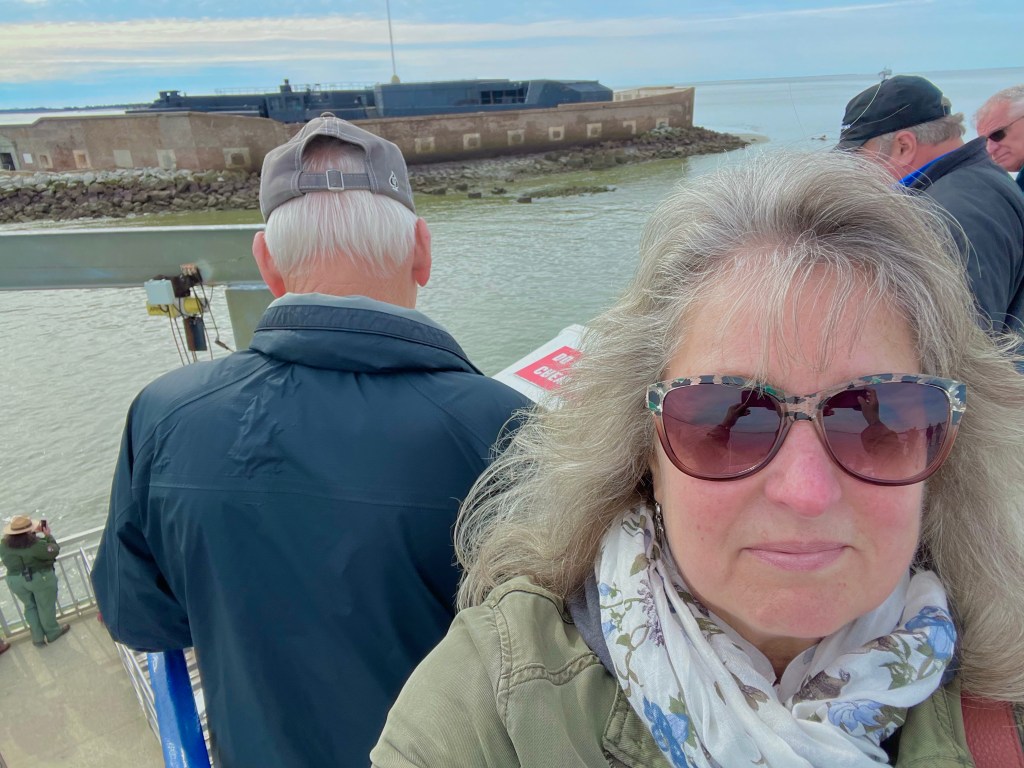
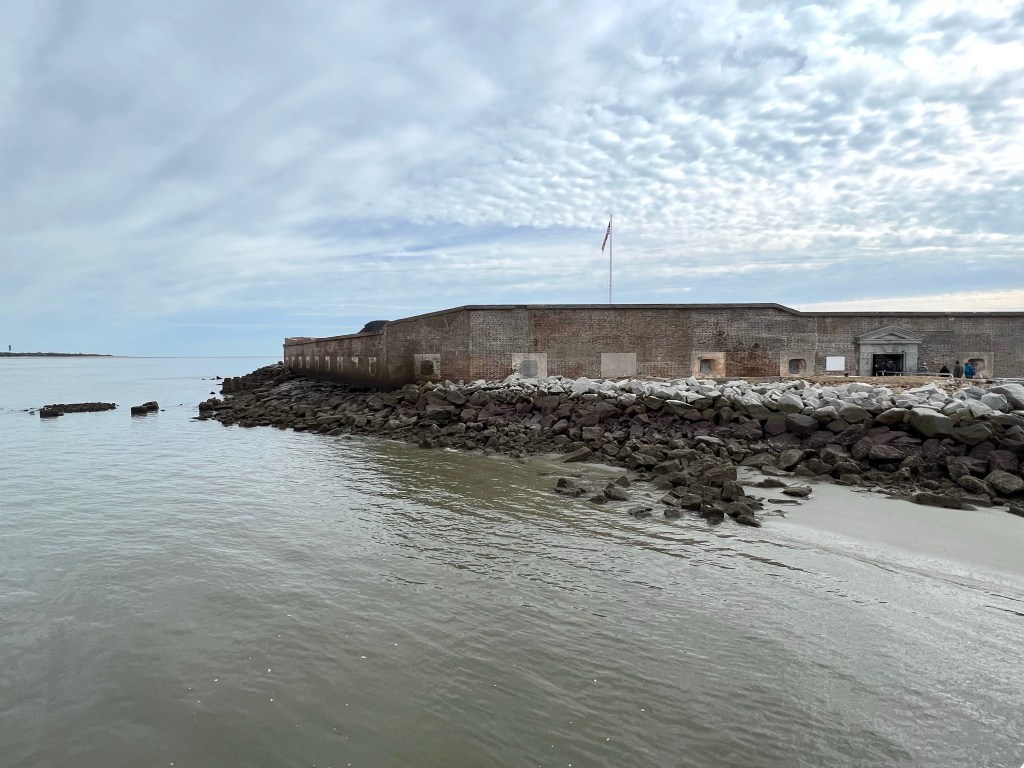
There it was.
.
.
Sitting at the mouth of Charleston harbor.
.
.
We disembarked…
.
.
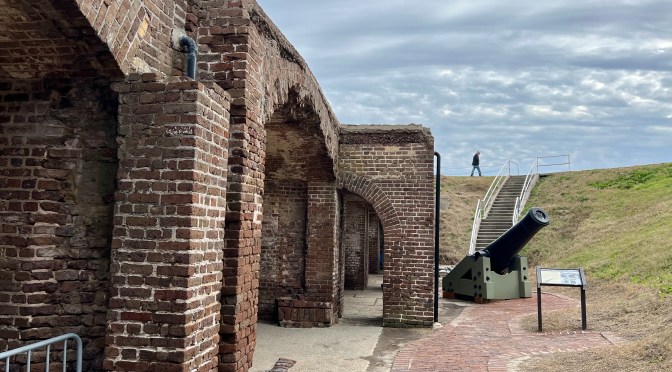
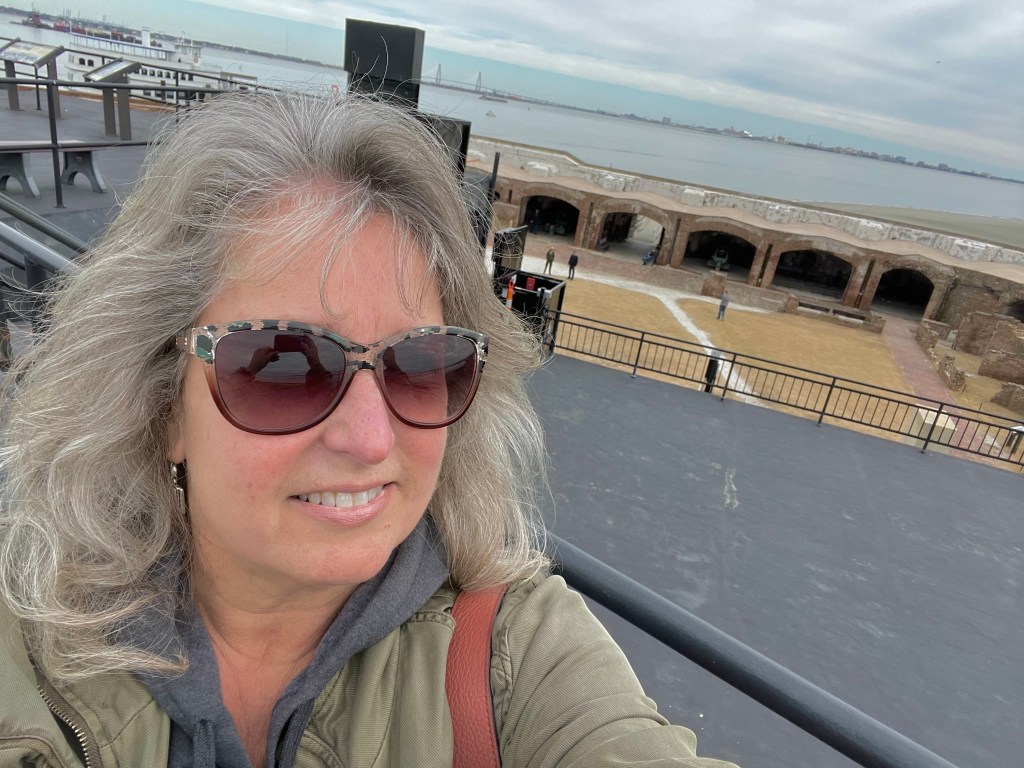
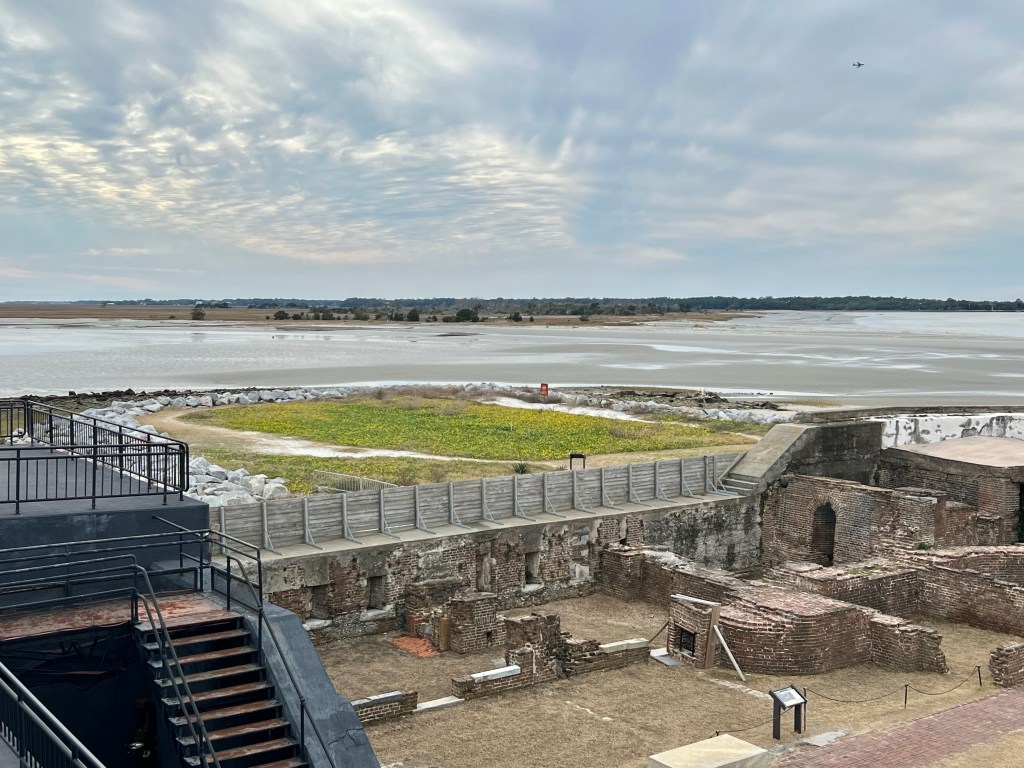
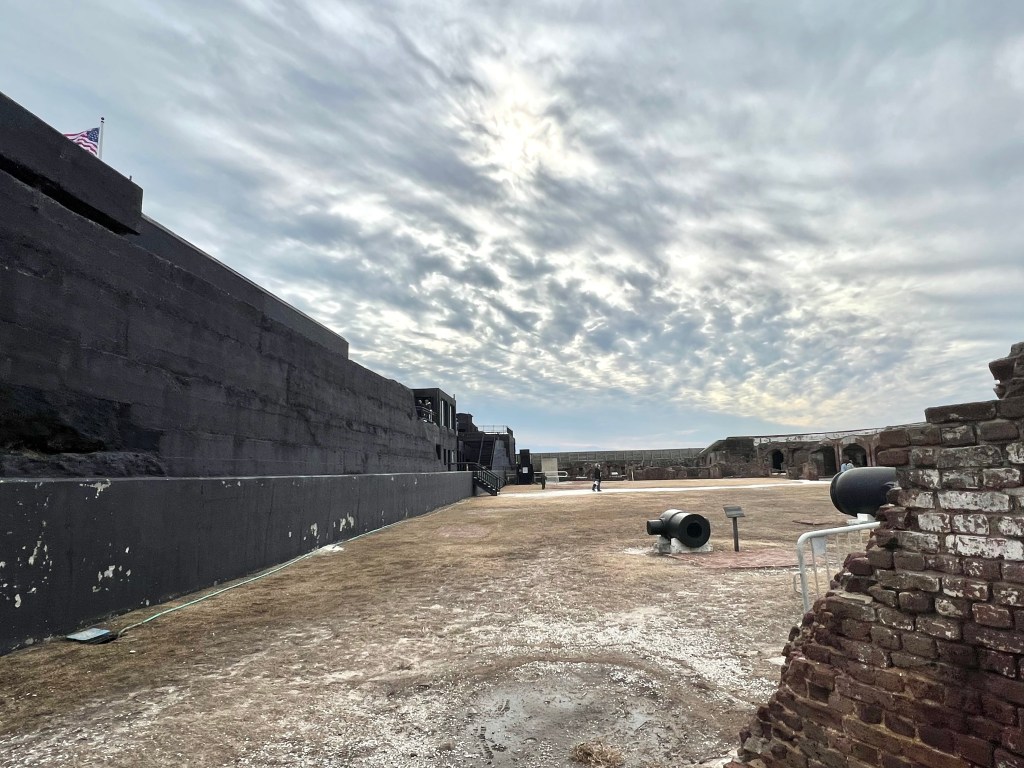
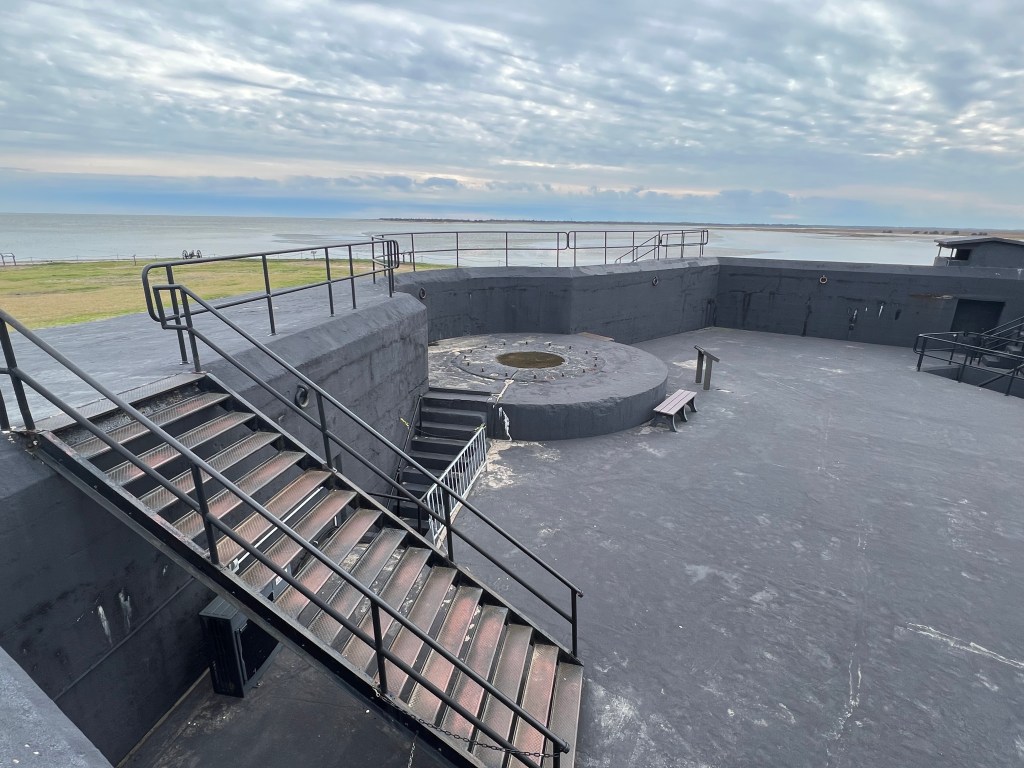
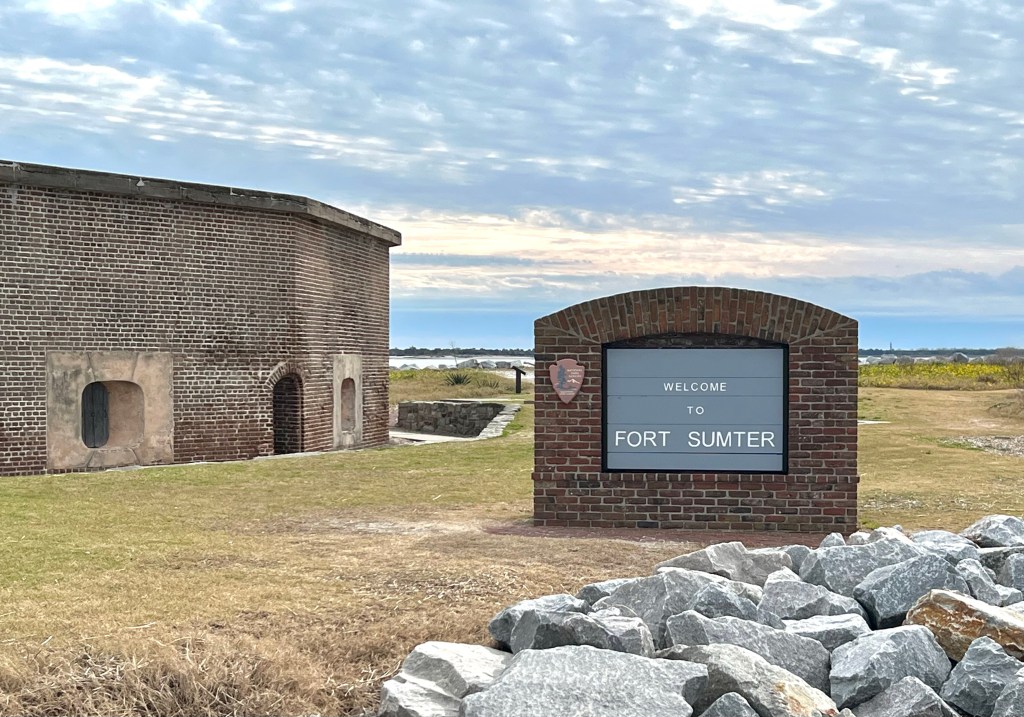
And walked on the very ground where the Civil War began.
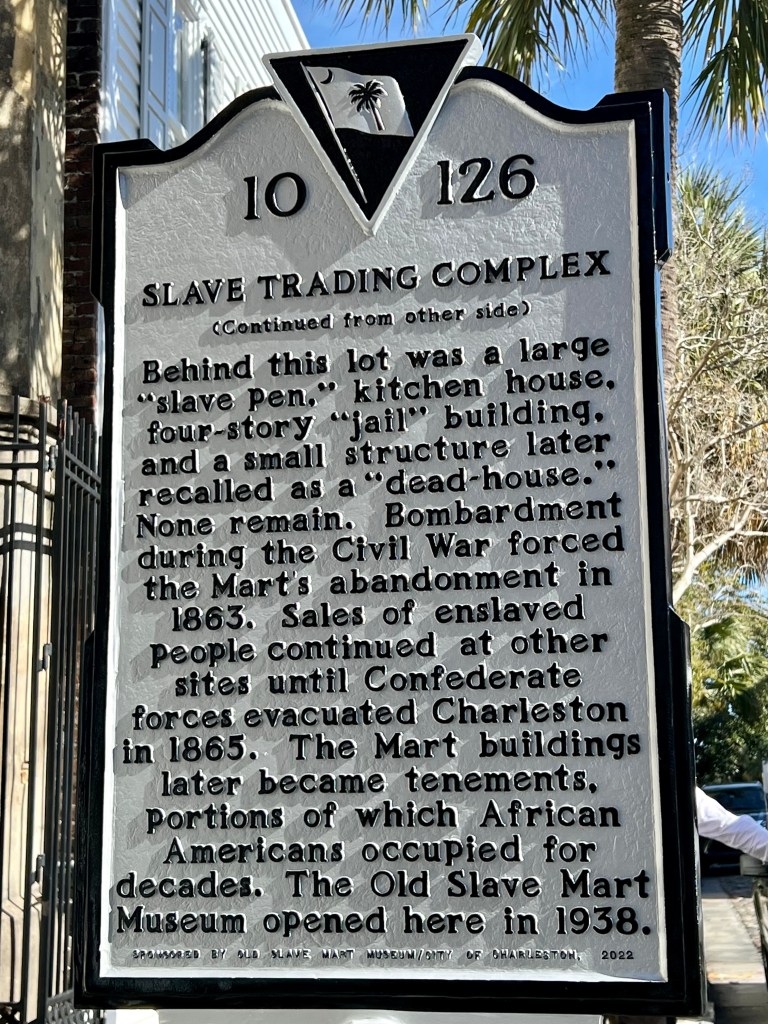
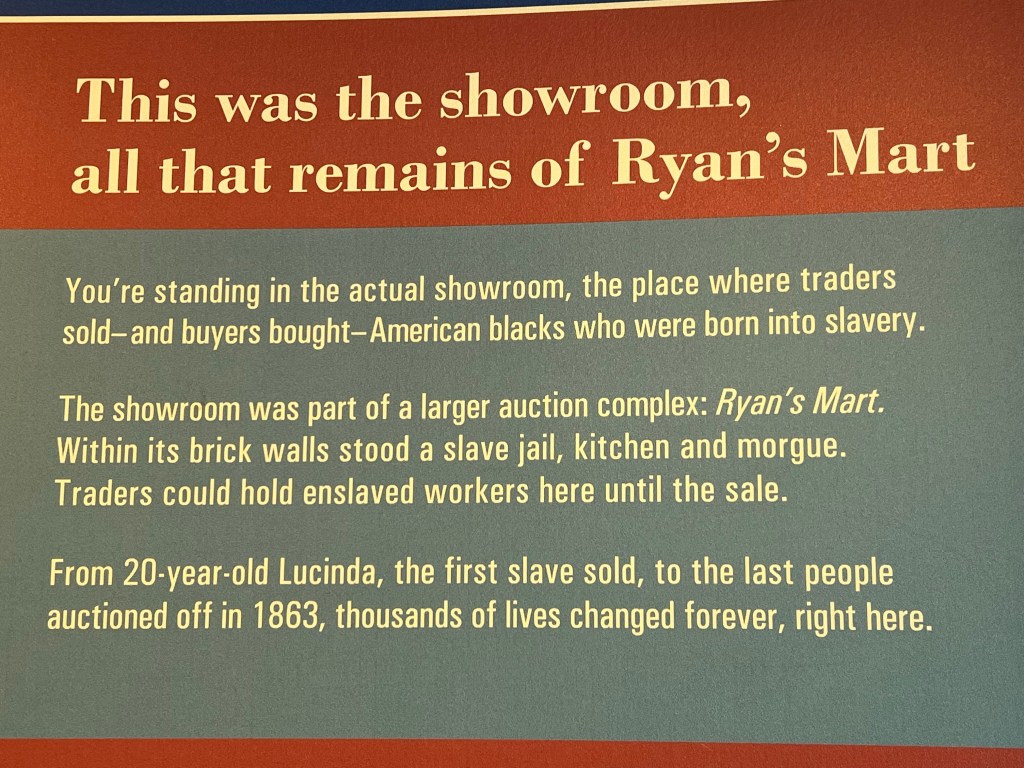
Our next stop in Charleston was a hard one but I’m glad we went.
.
.
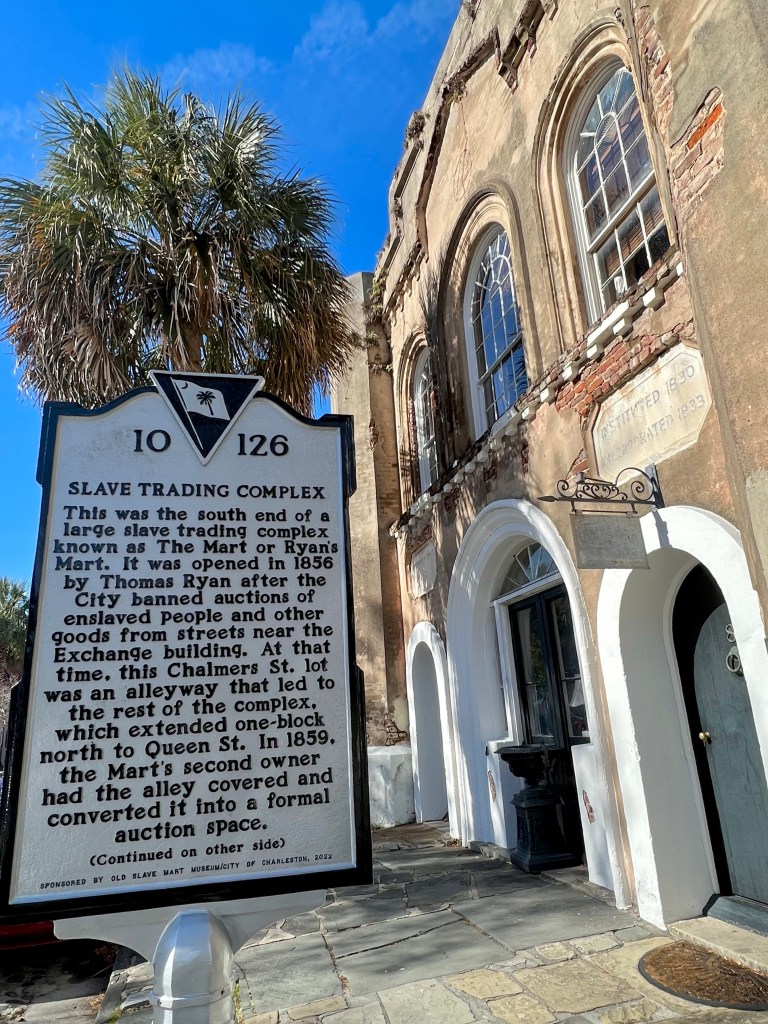
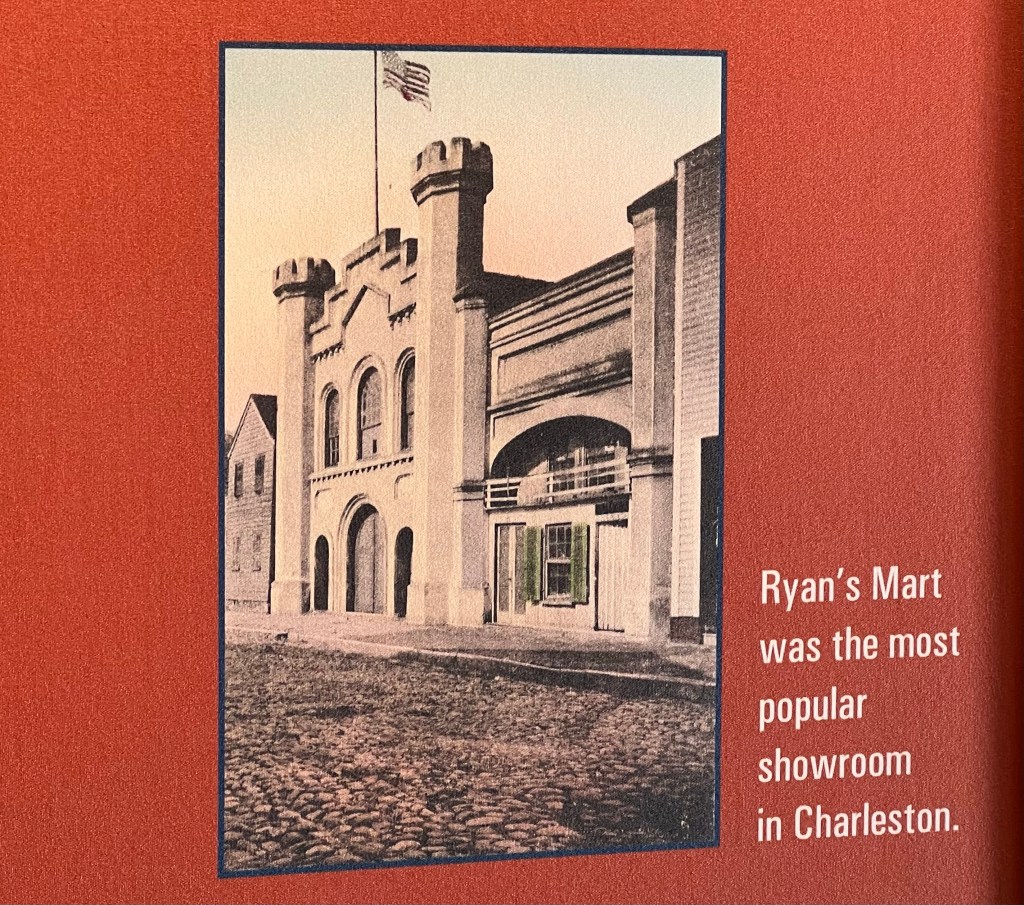
An innocuous looking building, no?
.
.
Perhaps from the outside .
.
.
But its history was written in blood.
.
.
It’s a small museum, but haunting.
.
.
.
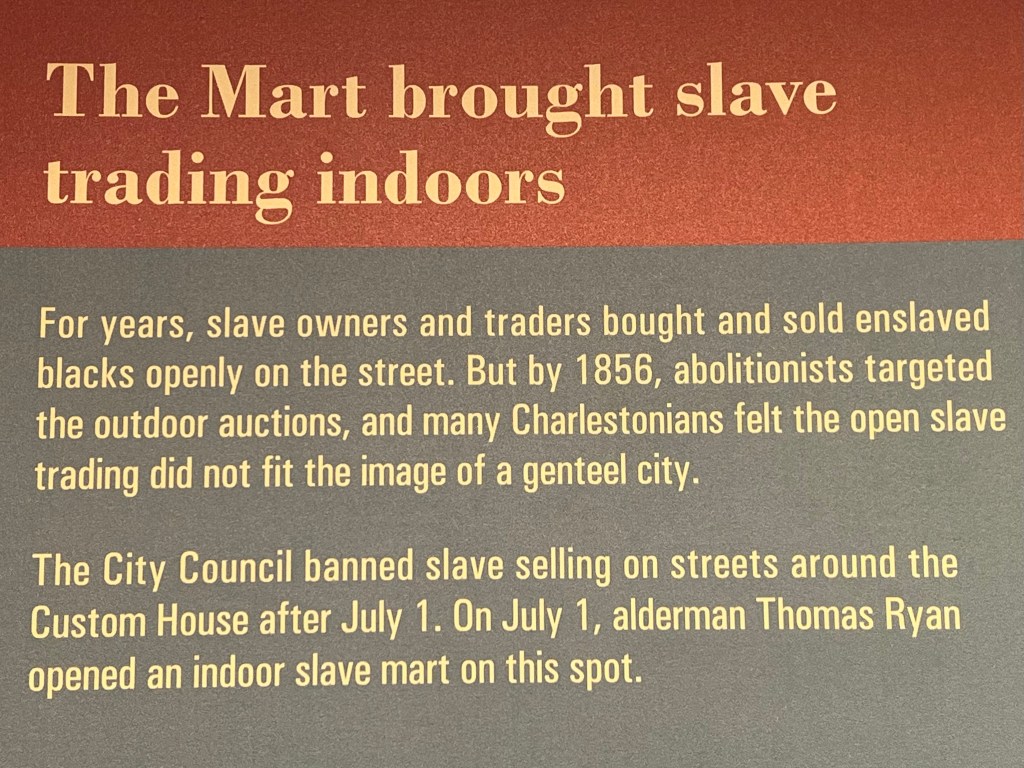
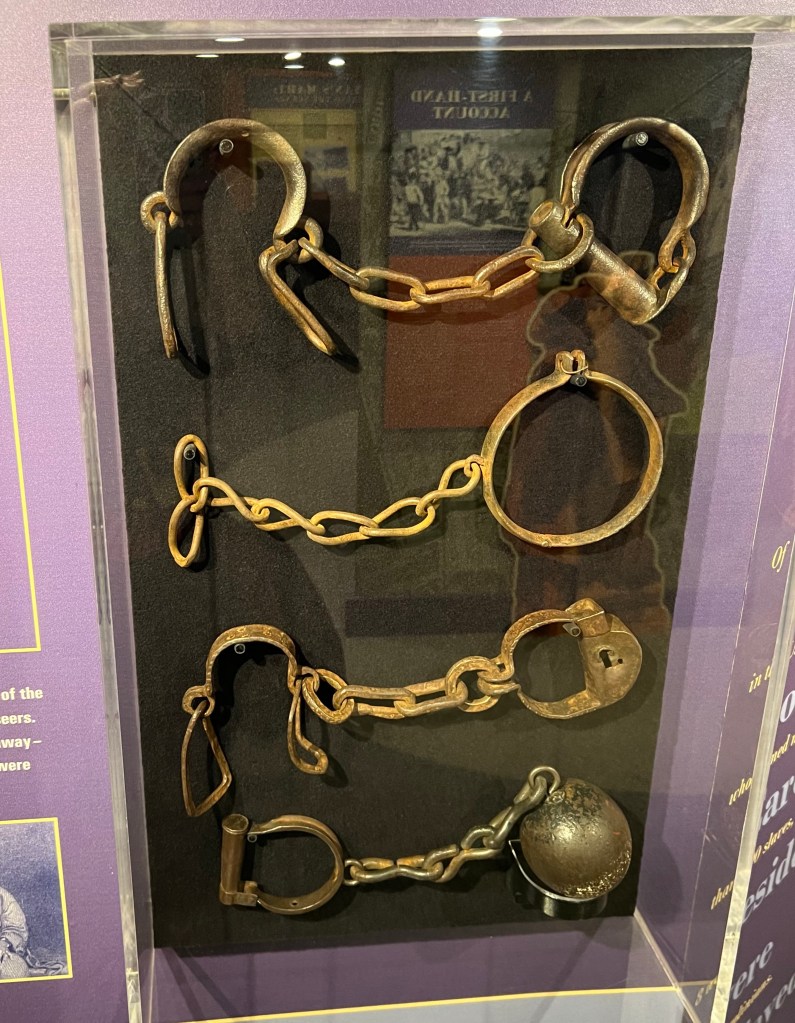
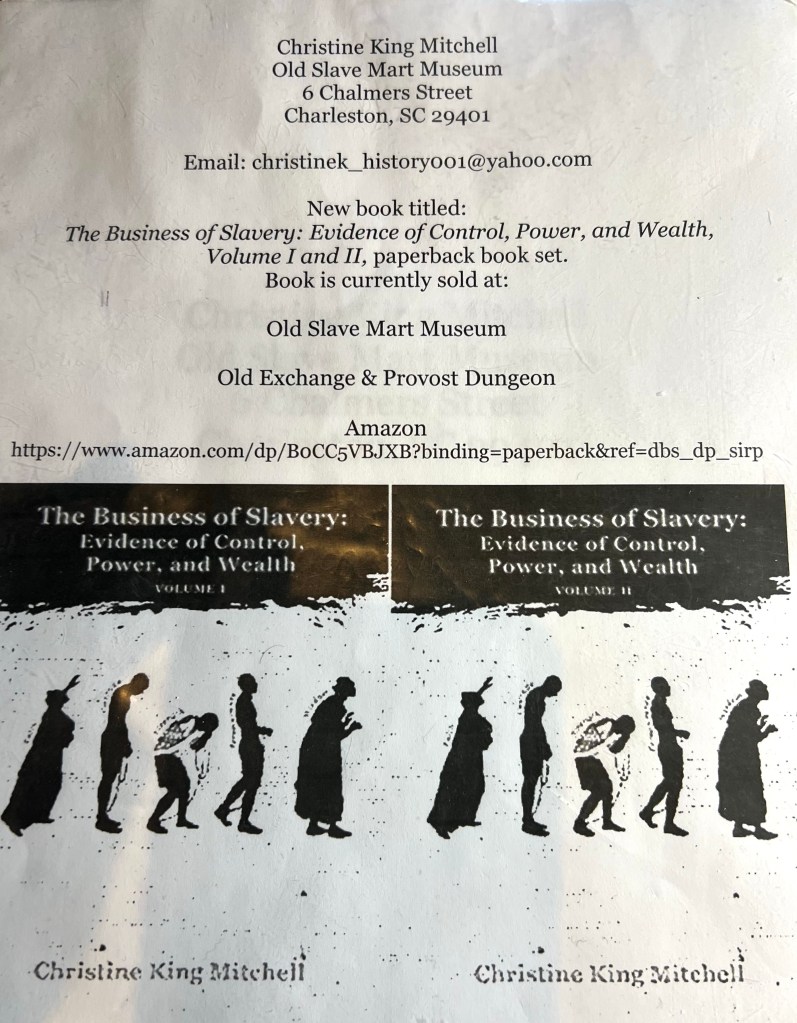
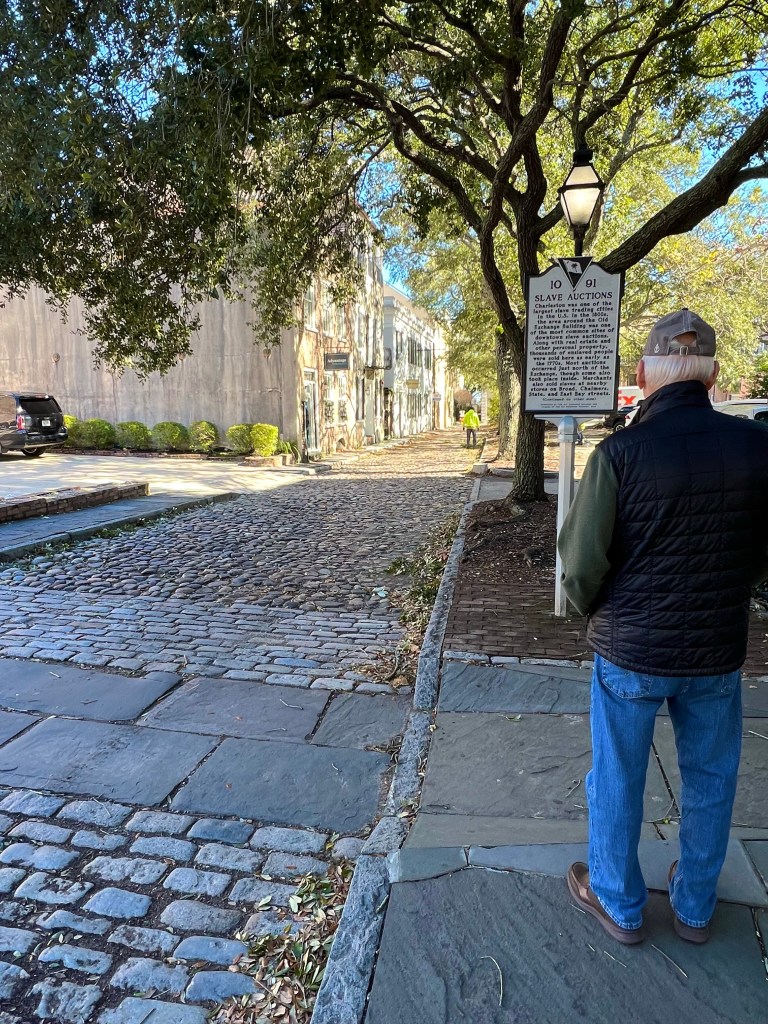
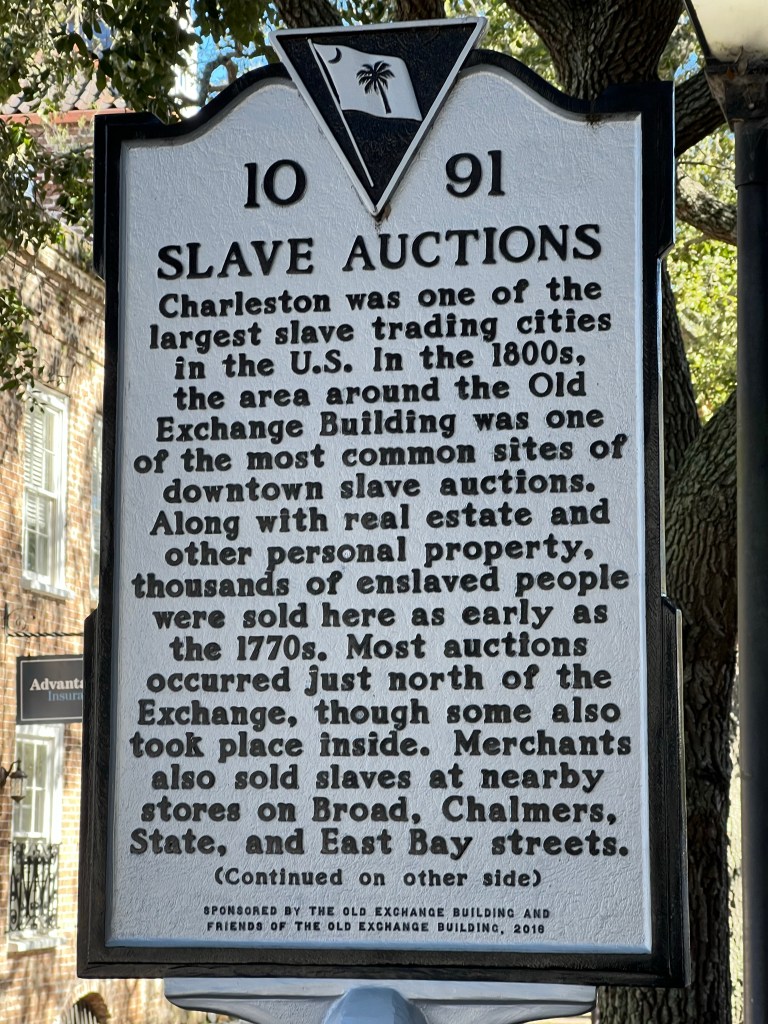
The building exists because this genteel city had to move its shameful business inside.
.
.
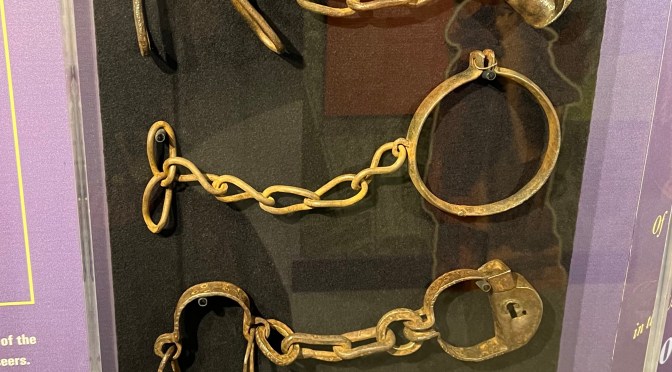
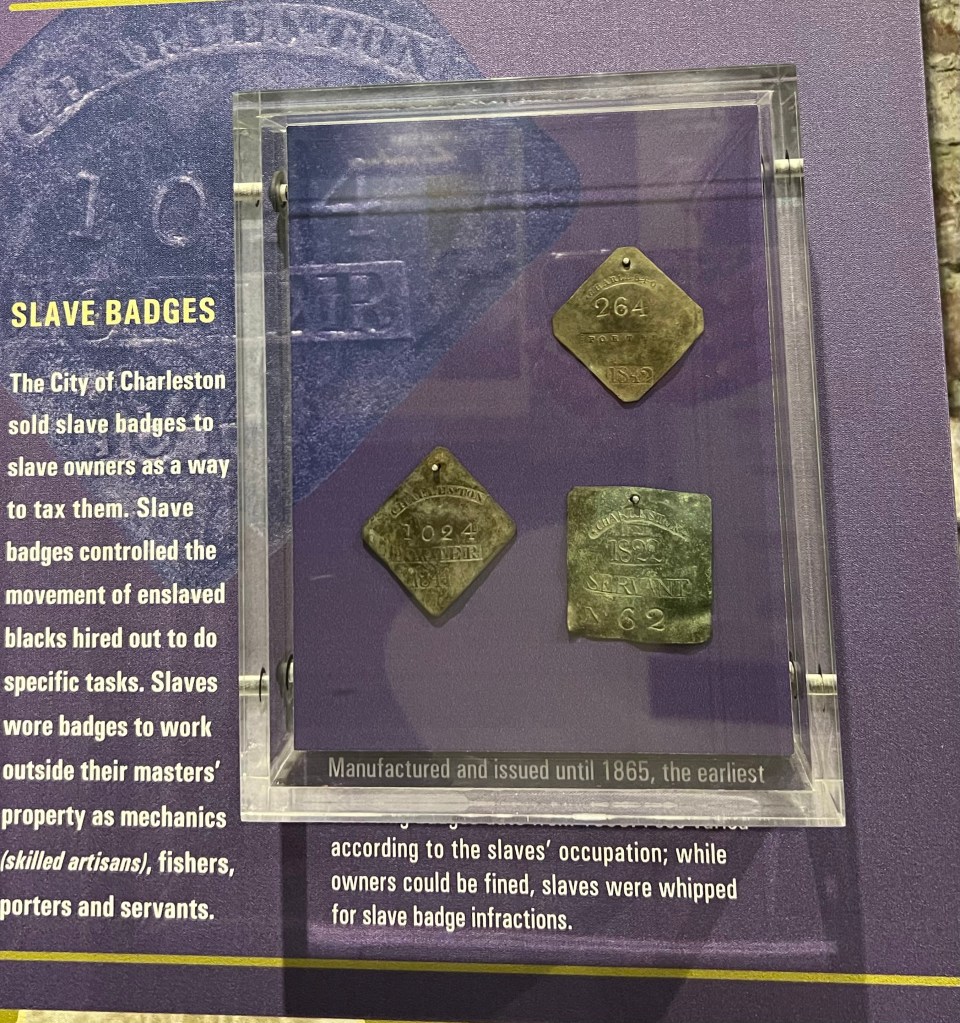
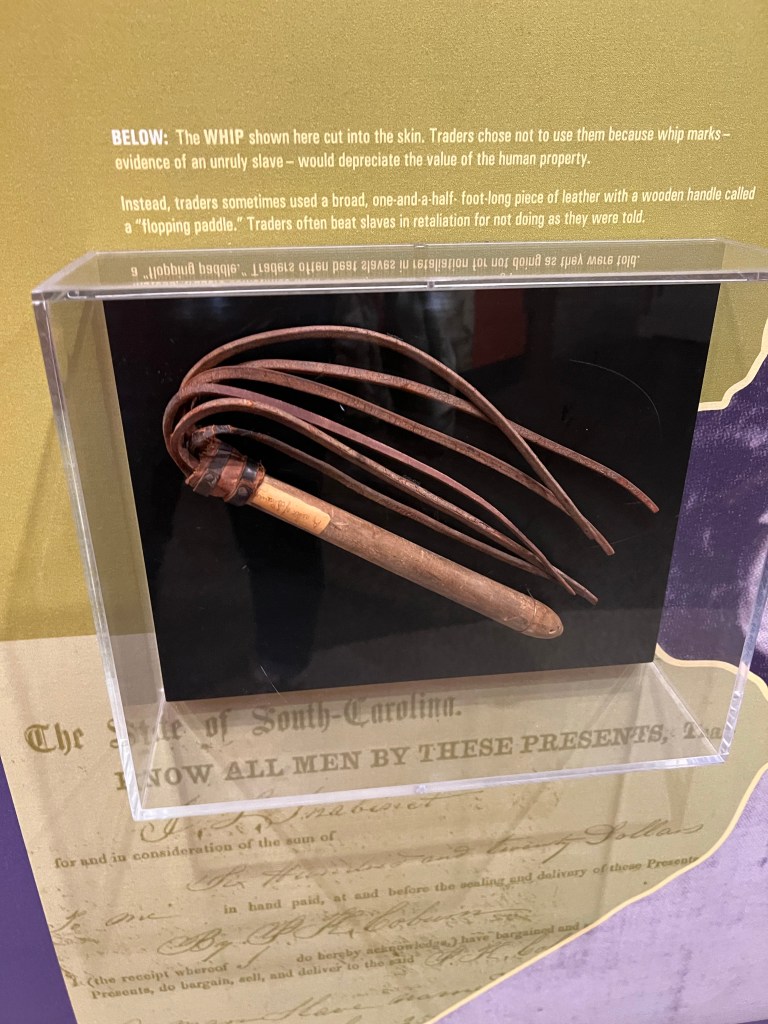
There are disturbing artifacts…
.
.
Each one worse than the last.
.
.
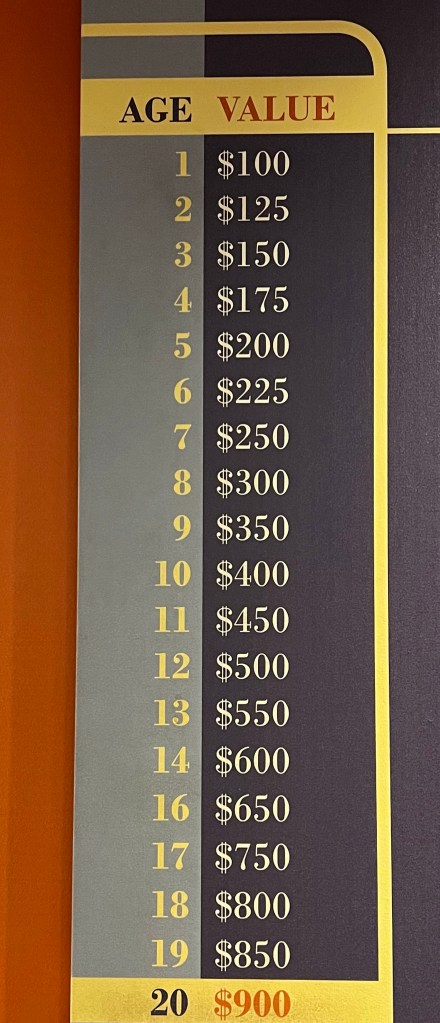
And a few eye opening facts.
What are you worth?
.
.
.
.
A guest speaker was upstairs when we were there and we sat in on her fascinating lecture.
I wish I’d thought to video it because though most of it made my jaw drop in horror, it’s our country’s history and we should all be made aware that slavery was more than the dehumanizing of a people and forced labor.
.
.
It was a profitable business and the vast array of people who reaped the economic rewards surprised even me.
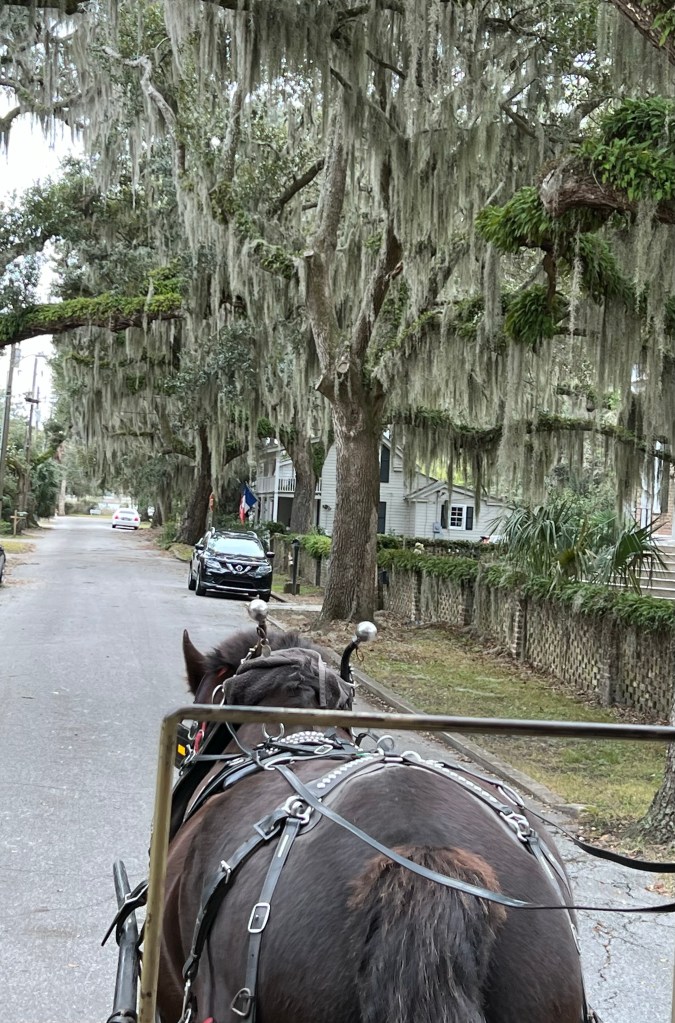
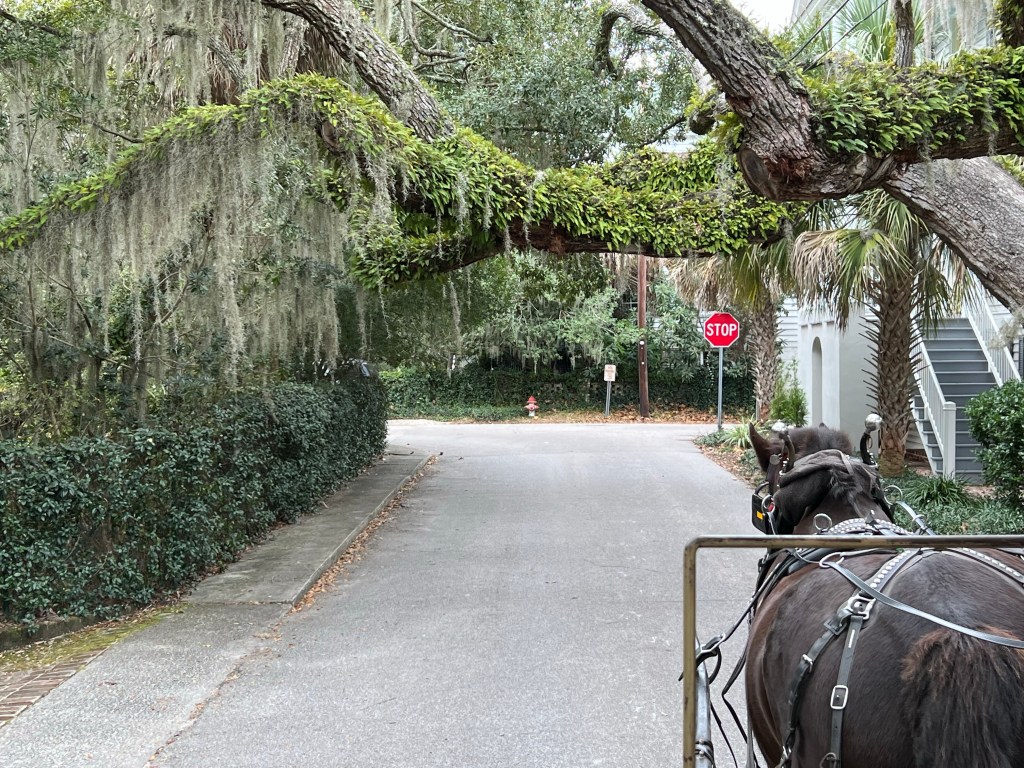
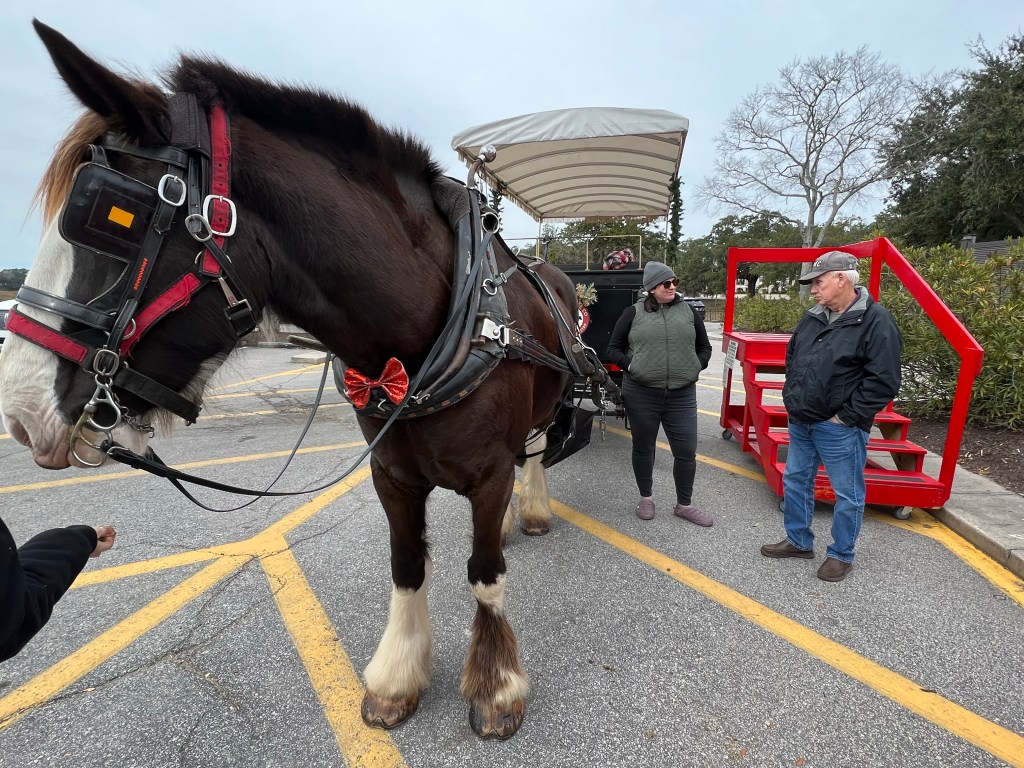
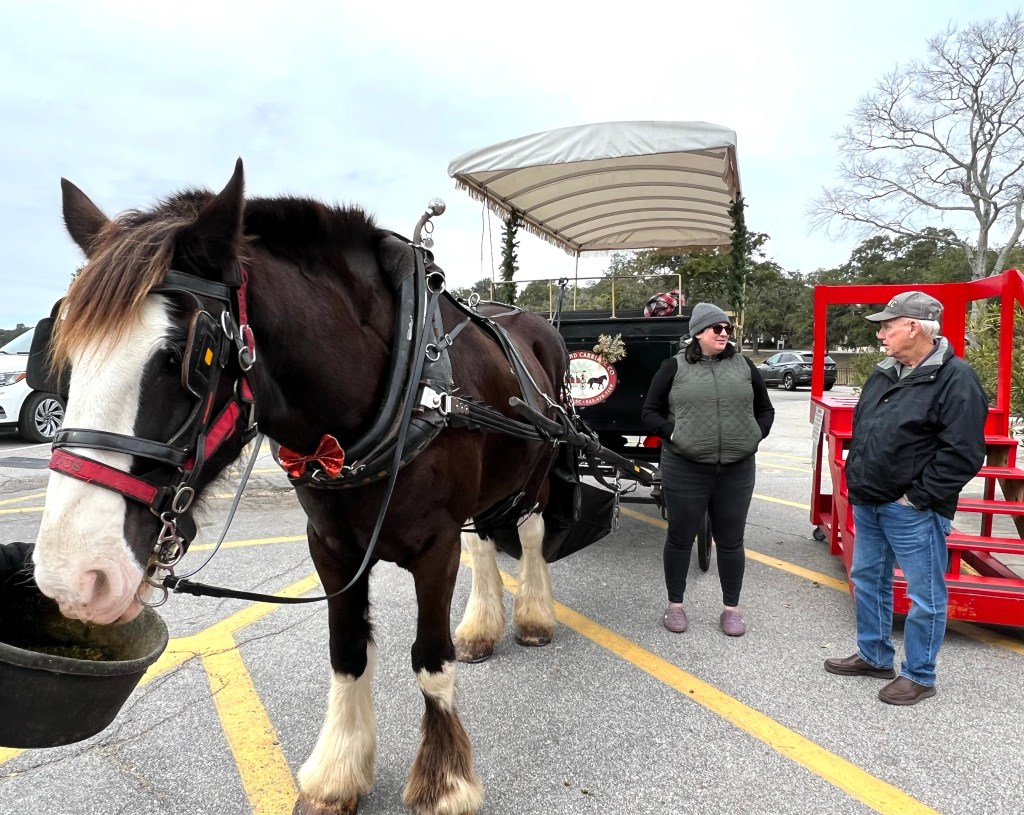
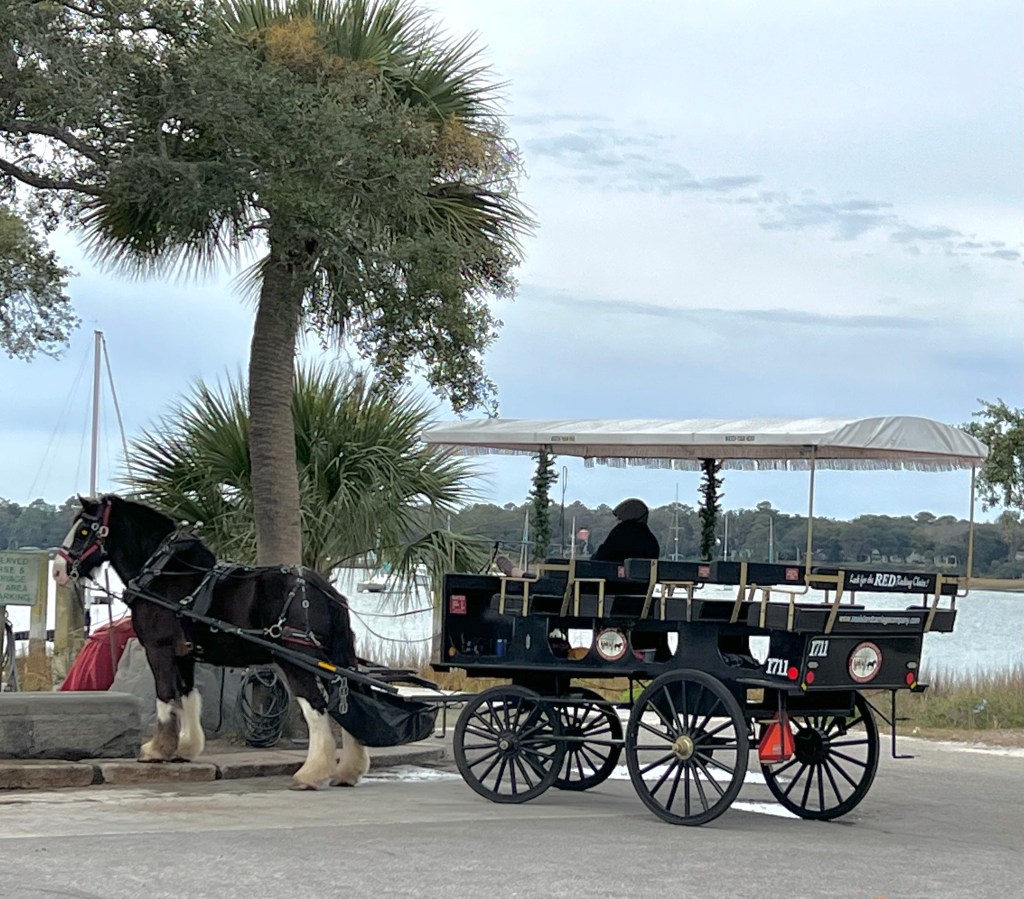
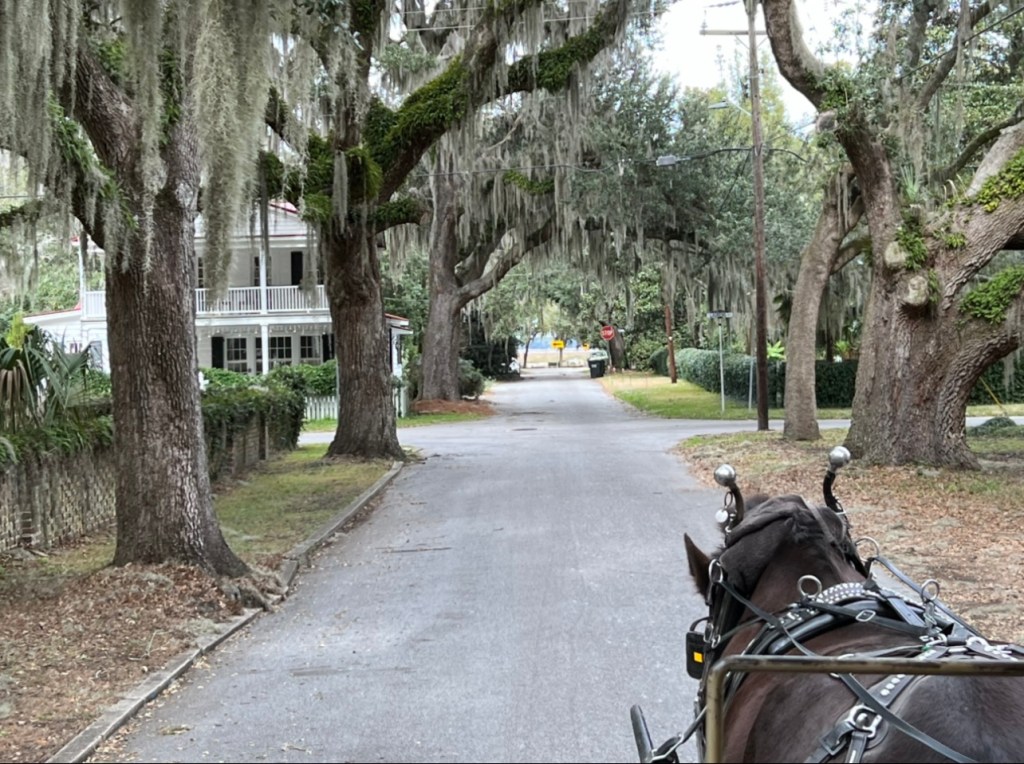
The Angus drawn carriage tour of Beaufort continued…
.
.
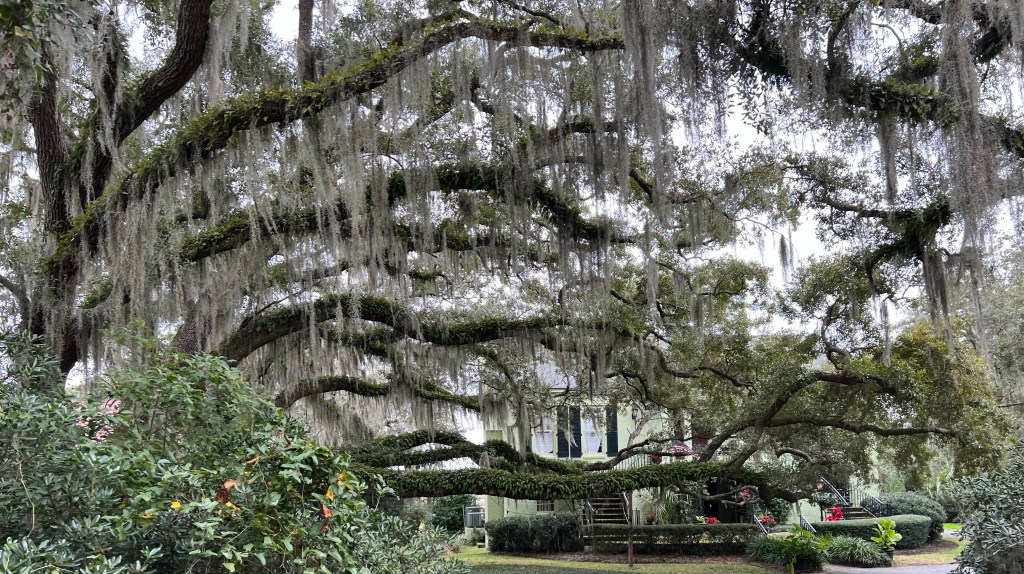
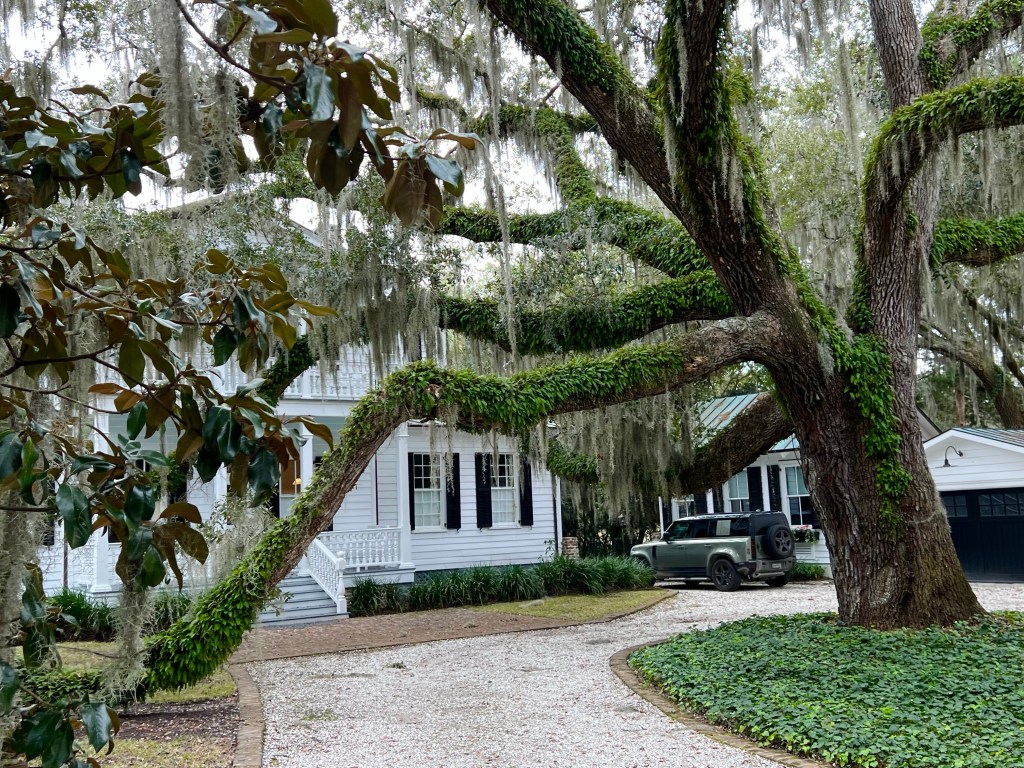
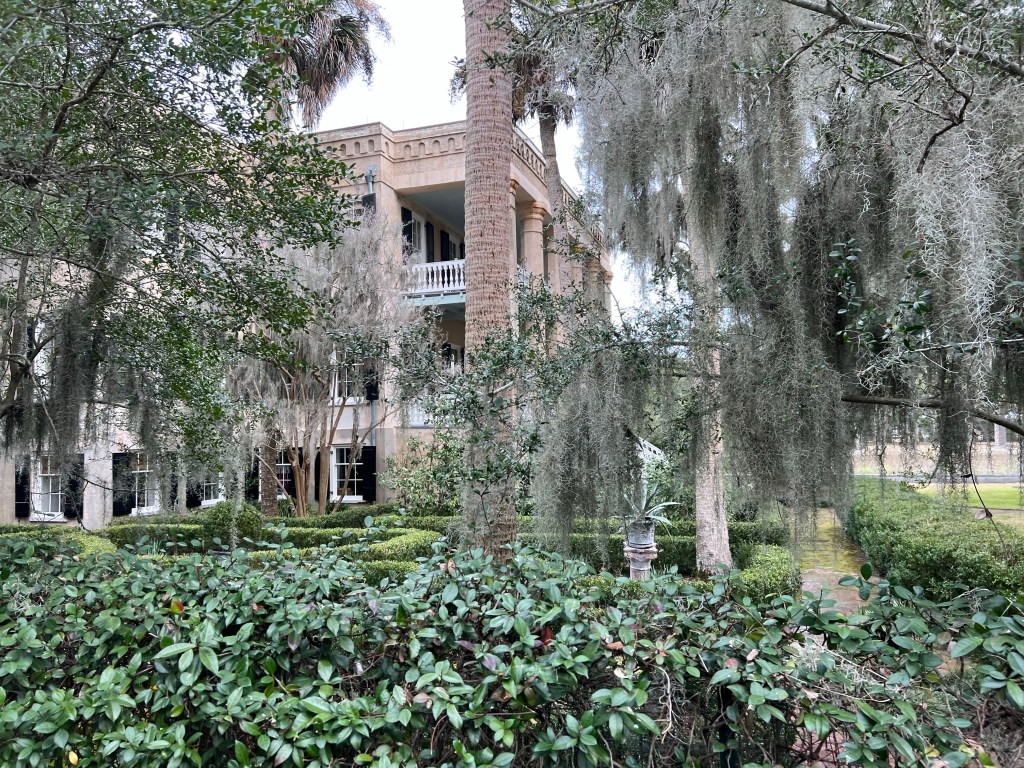
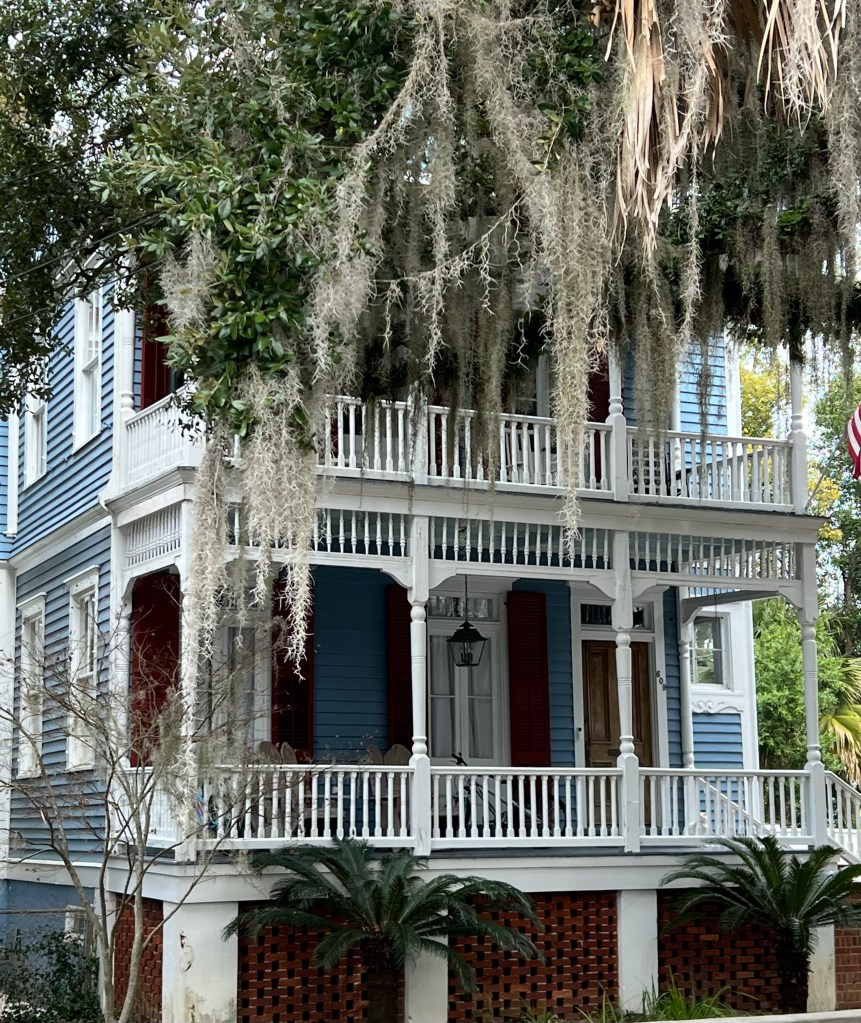
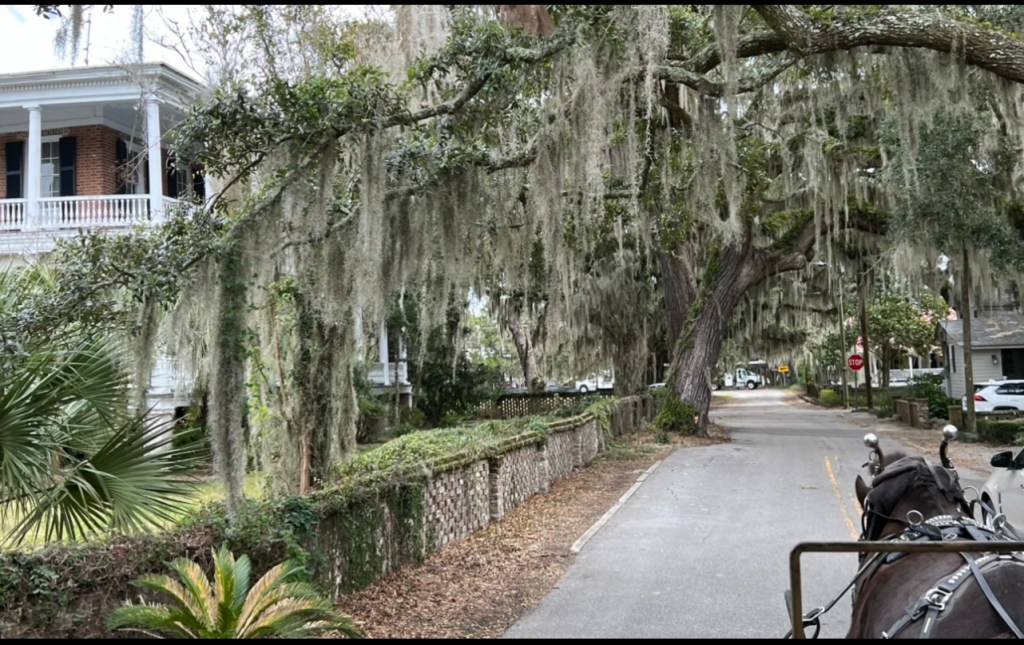
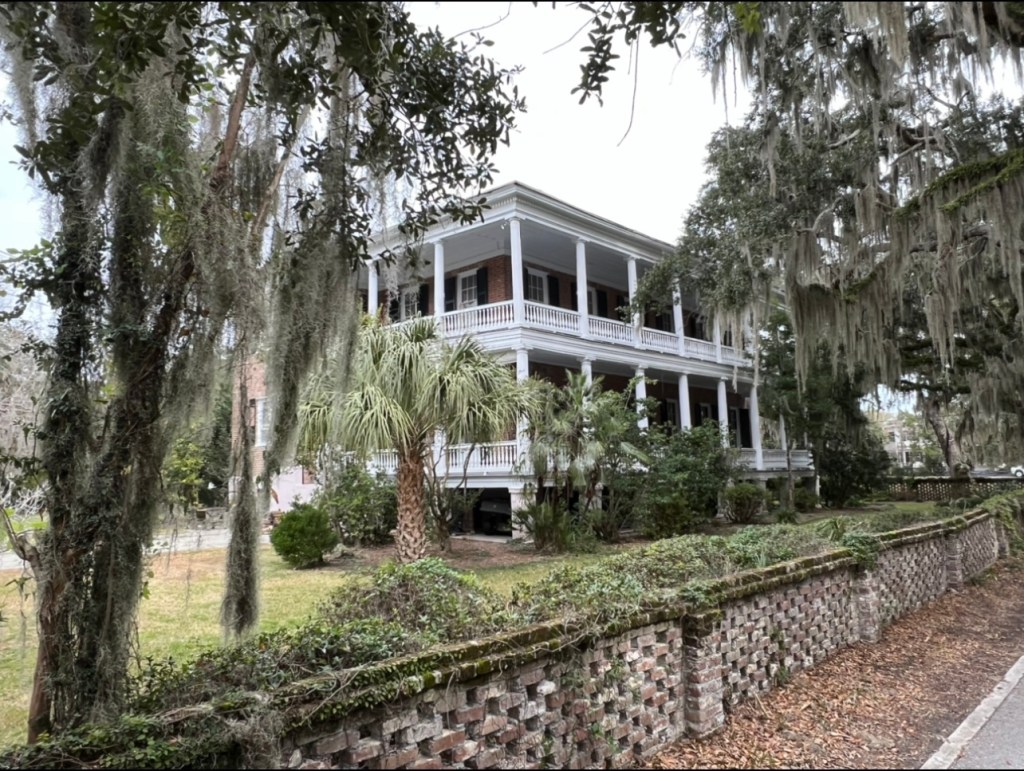
Past Spanish moss and charming antebellum homes.
.
.
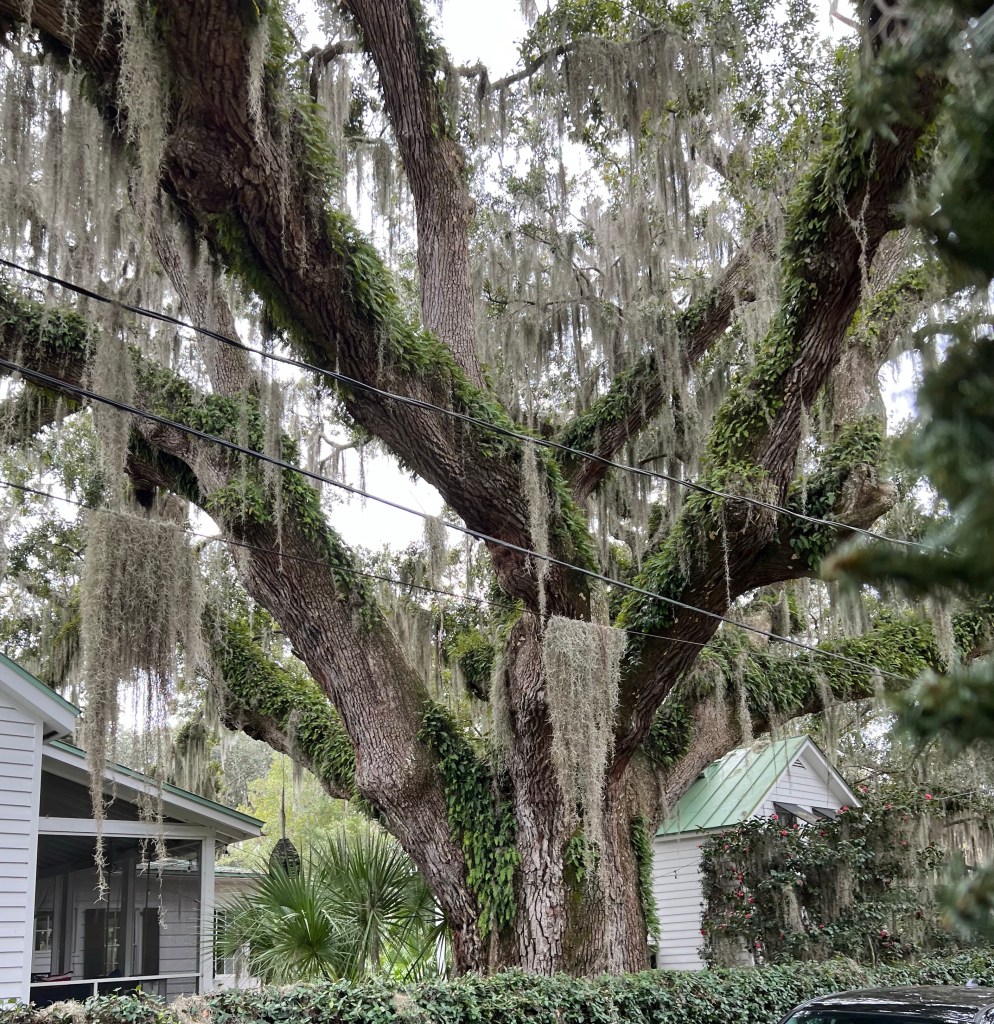
You might recognize this tree if you’re a movie buff.
.
.
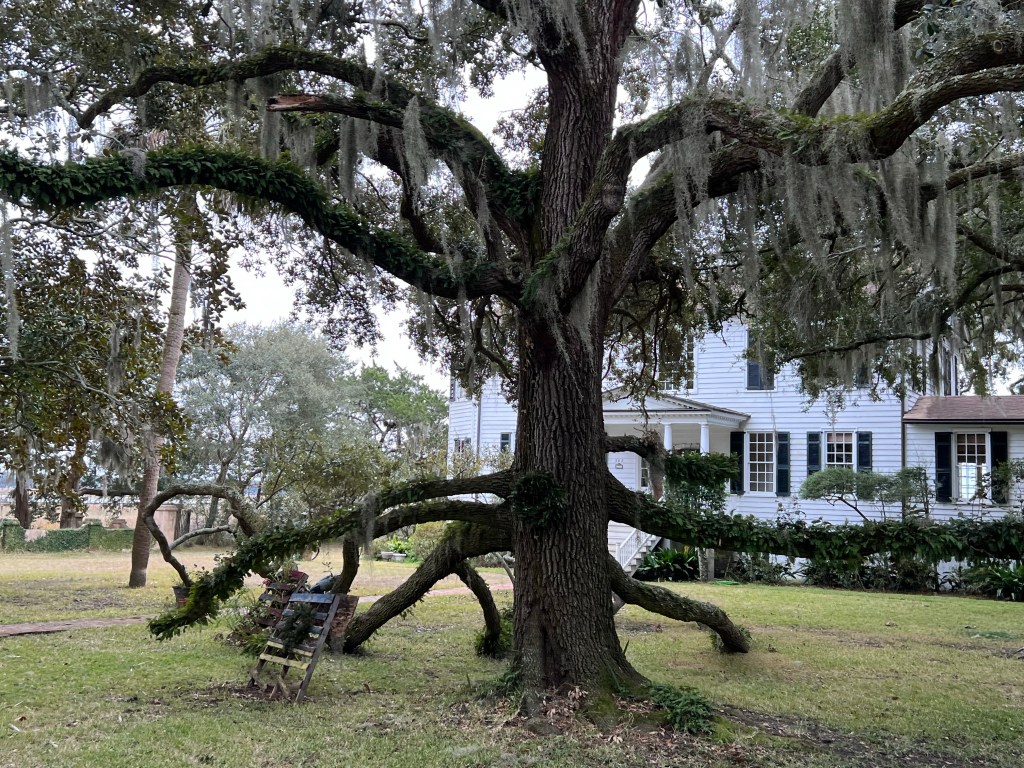
It’s the live oak Robert Duvall sat under during The Great Santini. They filmed it in Beaufort as the author Pat Conroy is a native son.
.
.
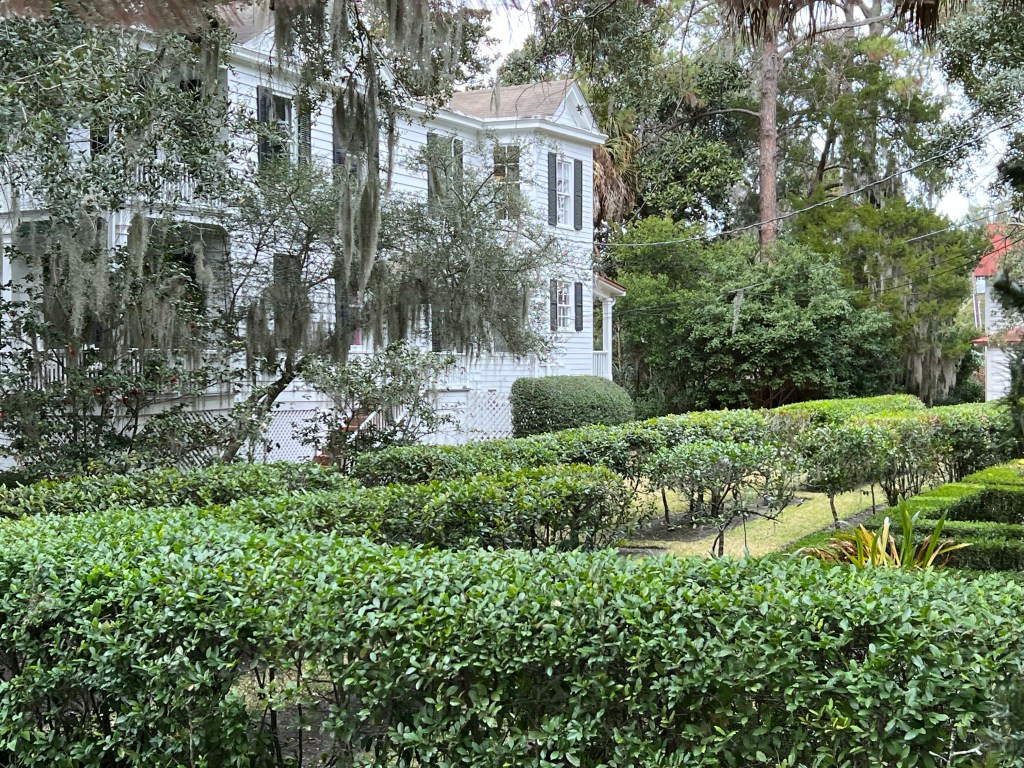
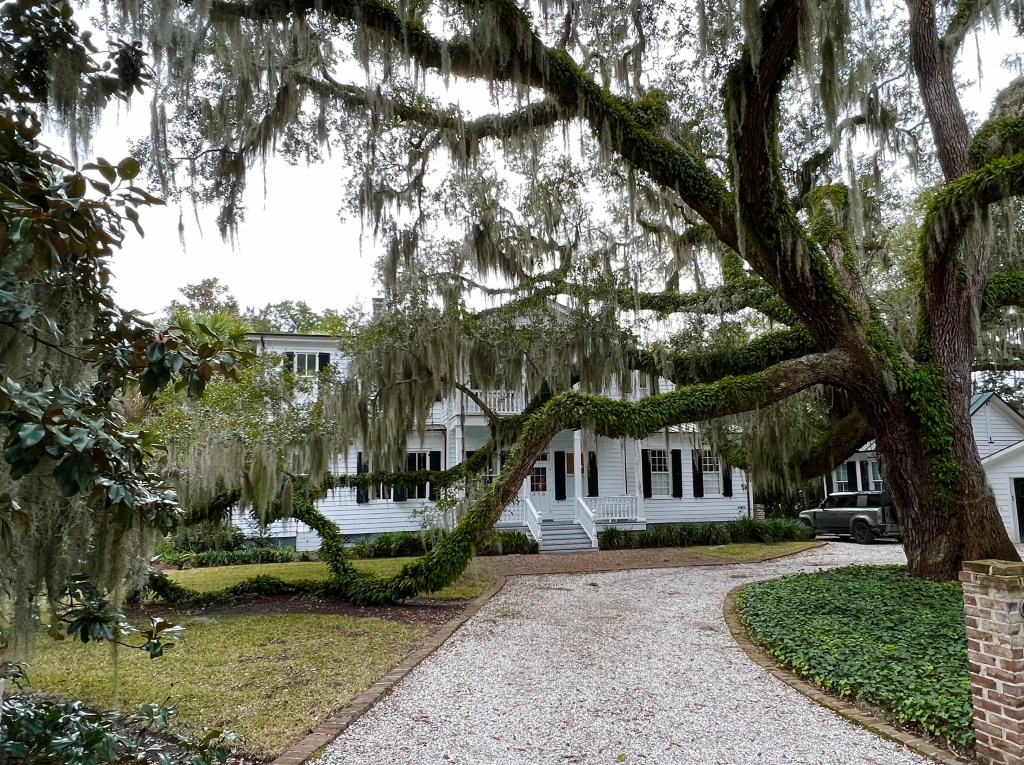
Beautiful homes, beautiful gardens…
.
.
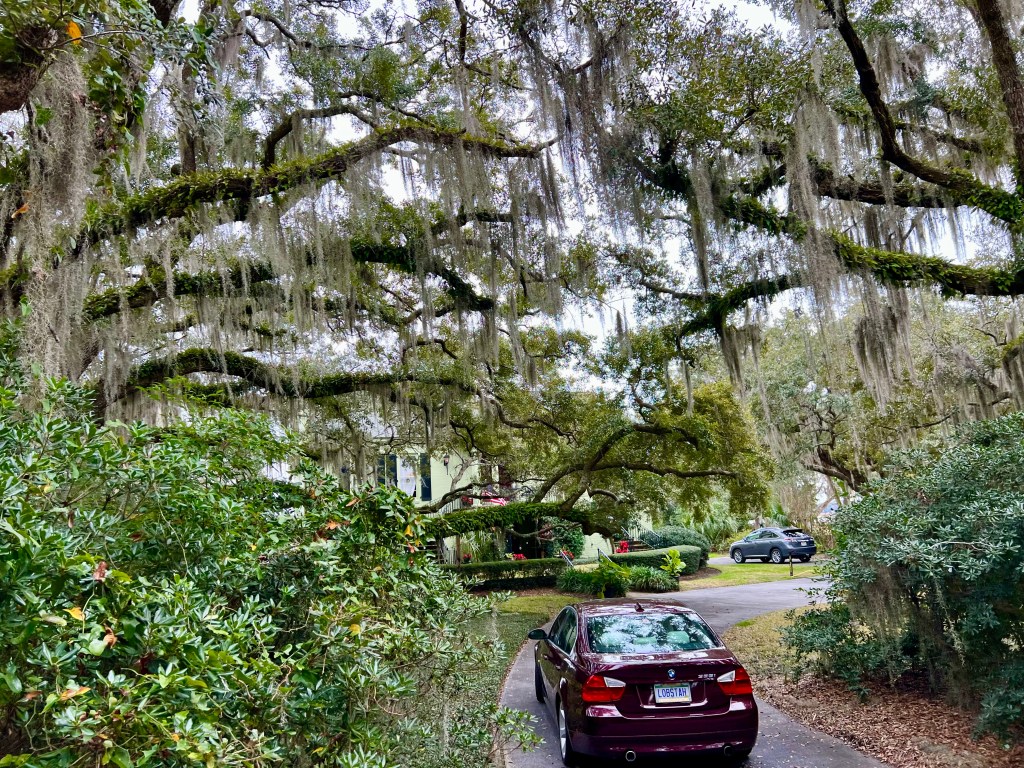
And some of the most amazing Angel Oaks I’ve ever seen.
.
.
The Angel is the variety of live oak that droops it’s branches to the ground….
.
.
And in Beaufort?
.
.
The town is so enamored of their spreading glory it’s illegal to cut one down or even trim.
.
.
Thank you Beaufort.
.
.
I wholeheartedly agree.
.
.
Our guided tour was a little over an hour of immersive history and I loved every cold, wrapped in a blanket, minute of it.
.
.
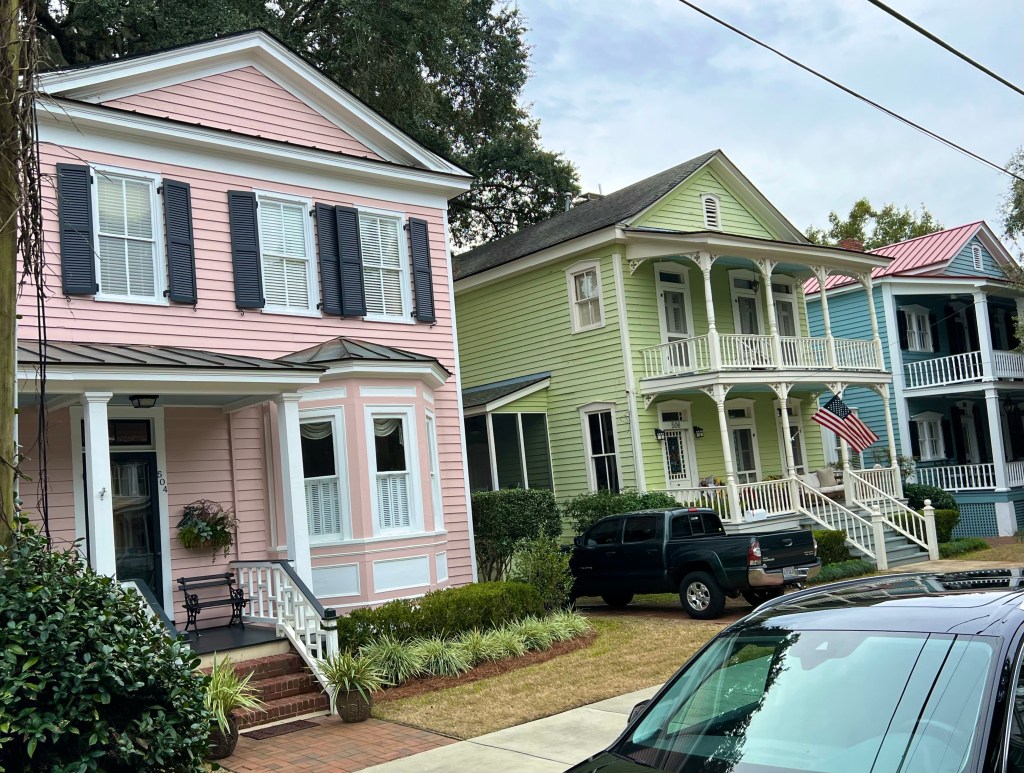
There’s a strict building code near The Point that says new construction must blend with the old. I’m not sure lime green was a popular Civil War era color, but they’re charming all the same.
.
.
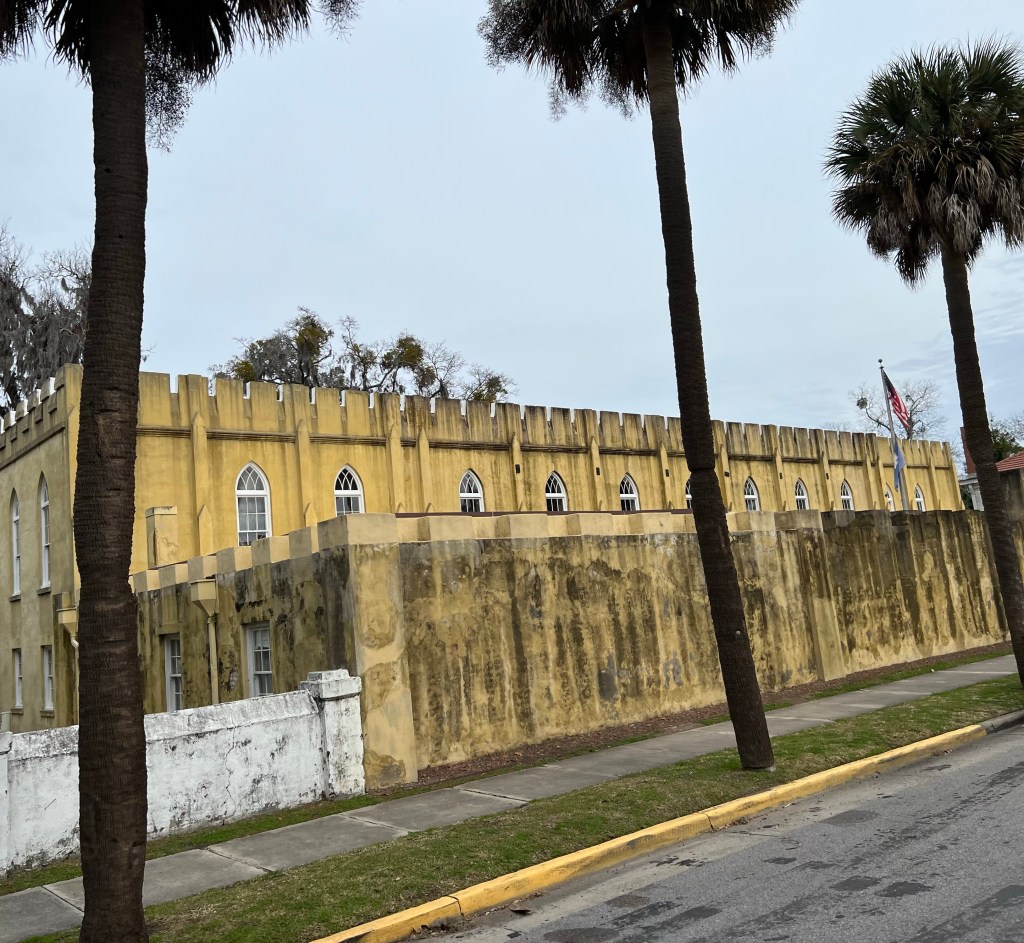
I wish we’d had time to explore this museum.
.
.
But when we disembarked the carriage a certain someone had to strike up a conversation with the guide.
.
.
Hint- it wasn’t me.
.
.
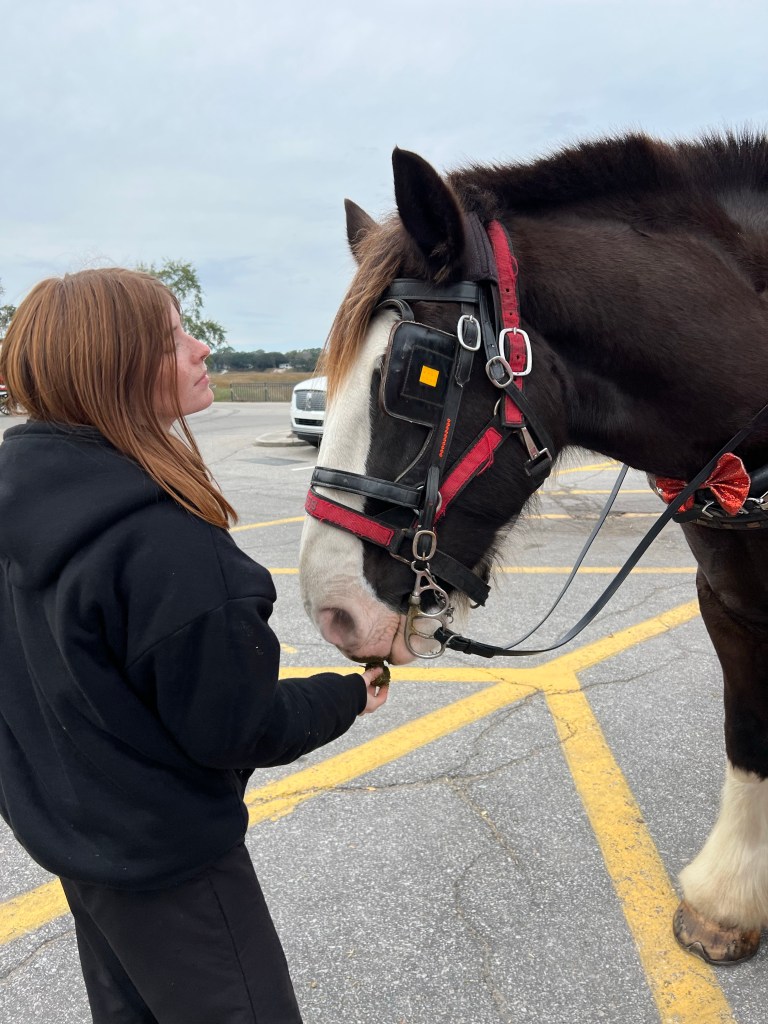
Though I did enjoy a little quality time with Angus.
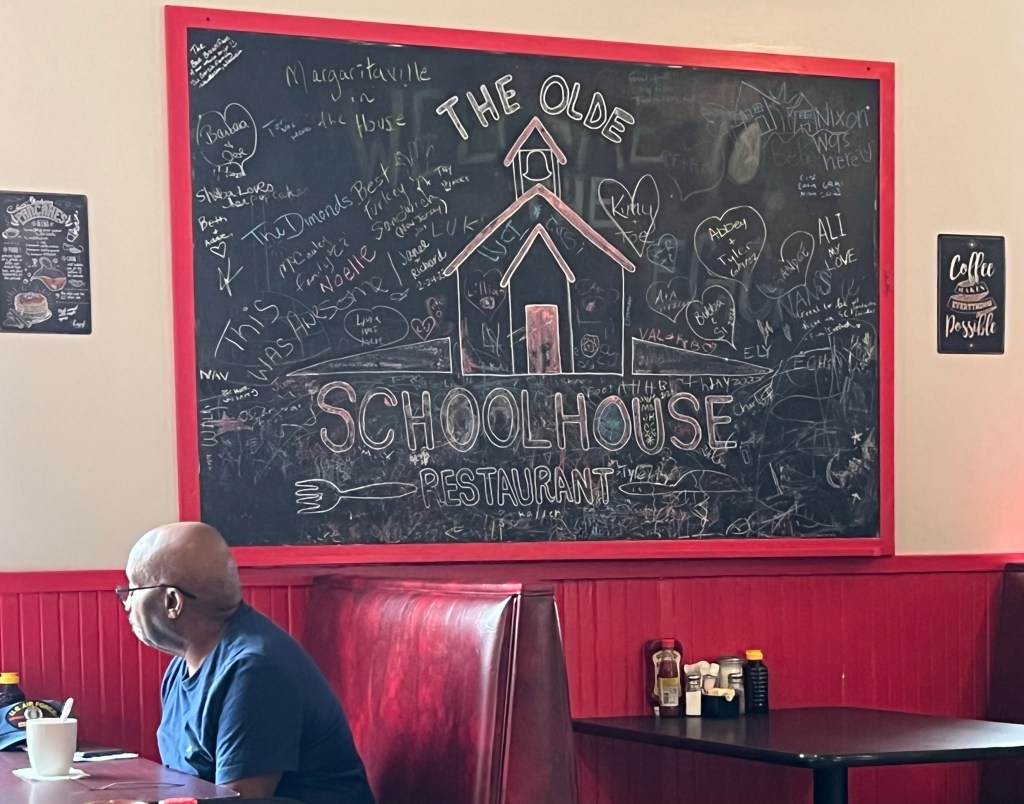
As we headed down the road for our tour of Beaufort ( say it with me now… Byoo-fert. Byoo as in beautiful, fert as in fertile. Byoo-fert. ) SC, the husband wanted a second breakfast and chose this quaint little place in Port Royal.
.
.
Cozy, and small …
.
.
The Old Schoolhouse didn’t take themselves too seriously.
.
.
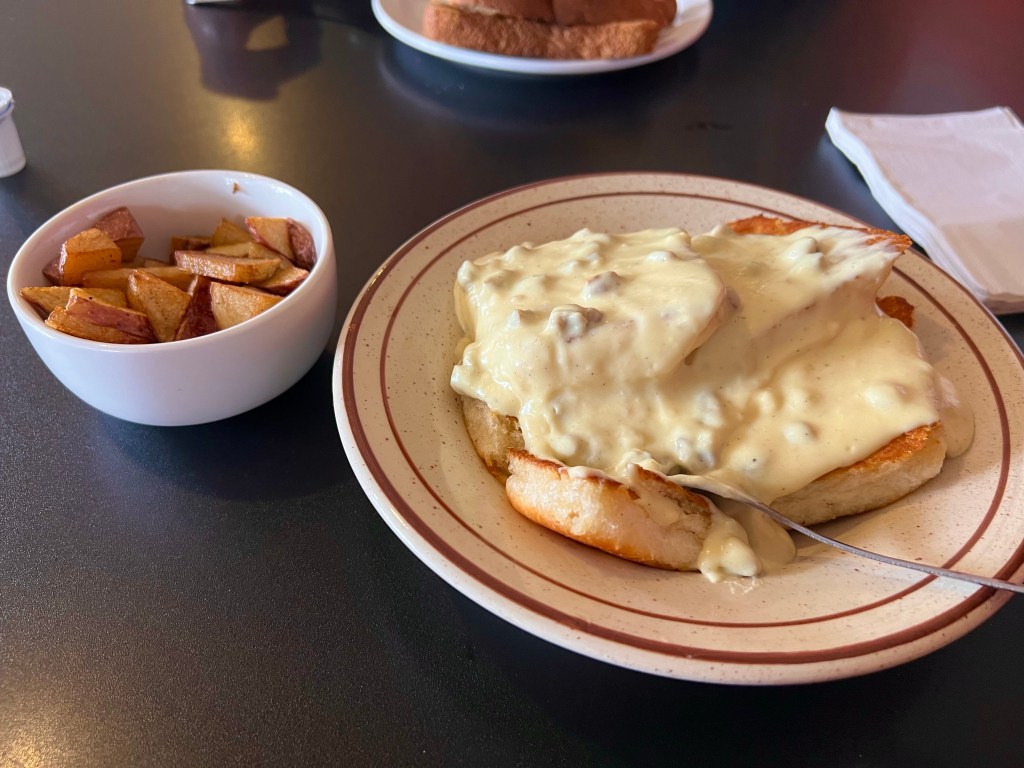
I’m not a big breakfast person, but since it looked like this might be lunch as well, I looked forward to some true southern biscuits and gravy. Finding that dish in Maine is a rare occurrence so I was fully prepared to splurge.
.
.
To say I was disappointed with this (yellow… WTH?) measly batch of gravy with very little sausage (not to mention flavor) is an understatement. I was in the south…
Y’all are supposed to do this right!
Unsatisfying breakfast/lunch over, we made it to Beaufort. (Did you say Byoo-fert in your head? Good. Let’s continue. )
.
.
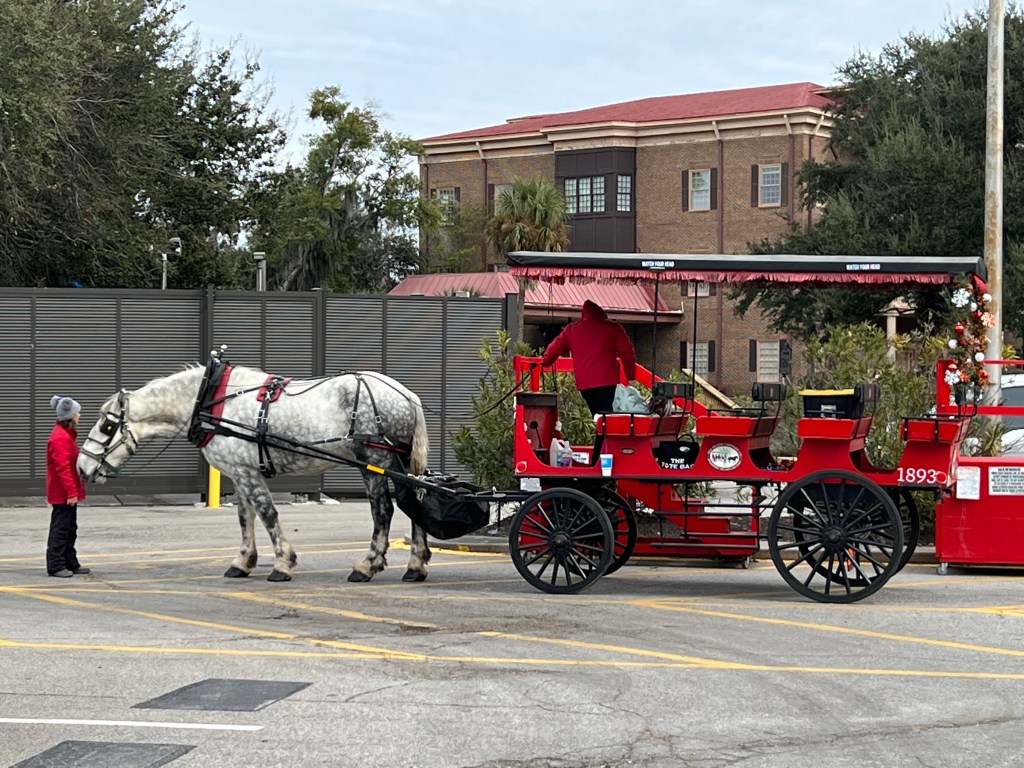
Where we had tickets for a horse drawn carriage tour around the city. That white horse was in training…
.
.
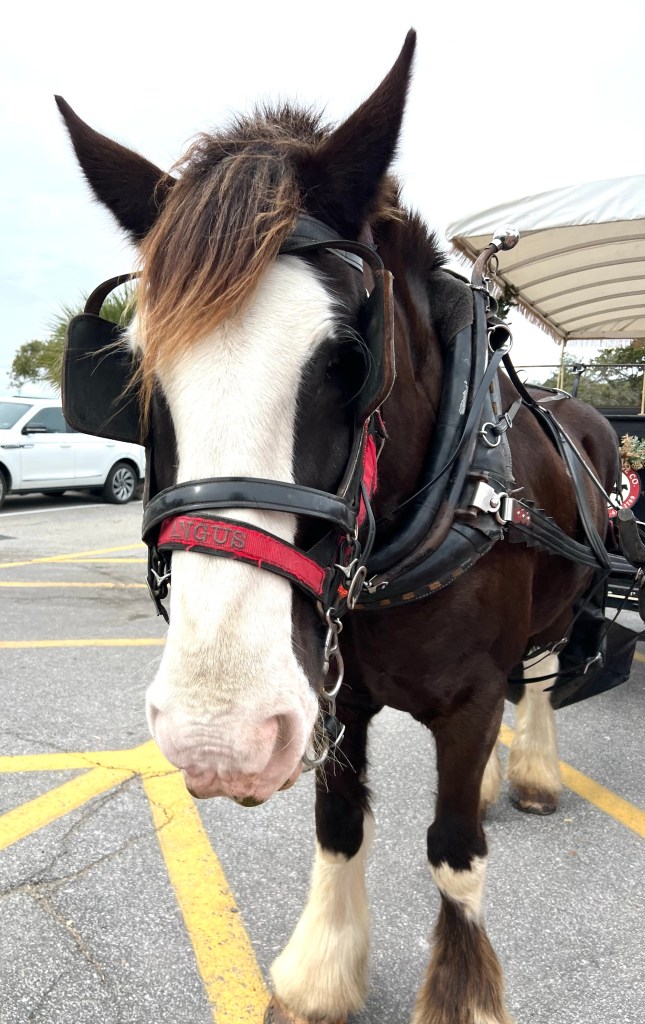
So we had Angus.
.
.
My husband rolled his eyes when I said I wanted to do this, but after a few minutes into the historic tour? He was hooked.
.
.
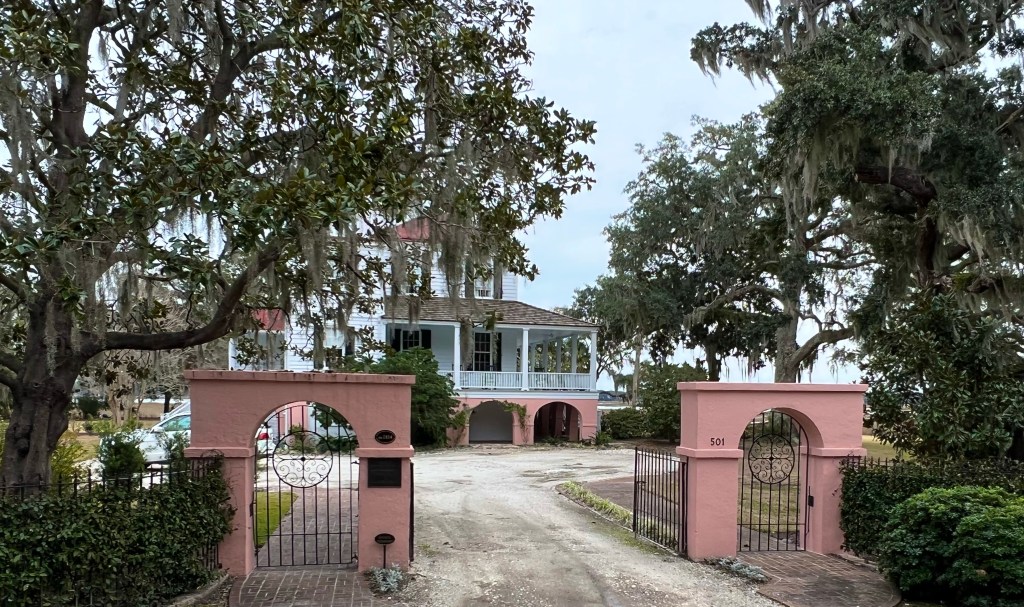
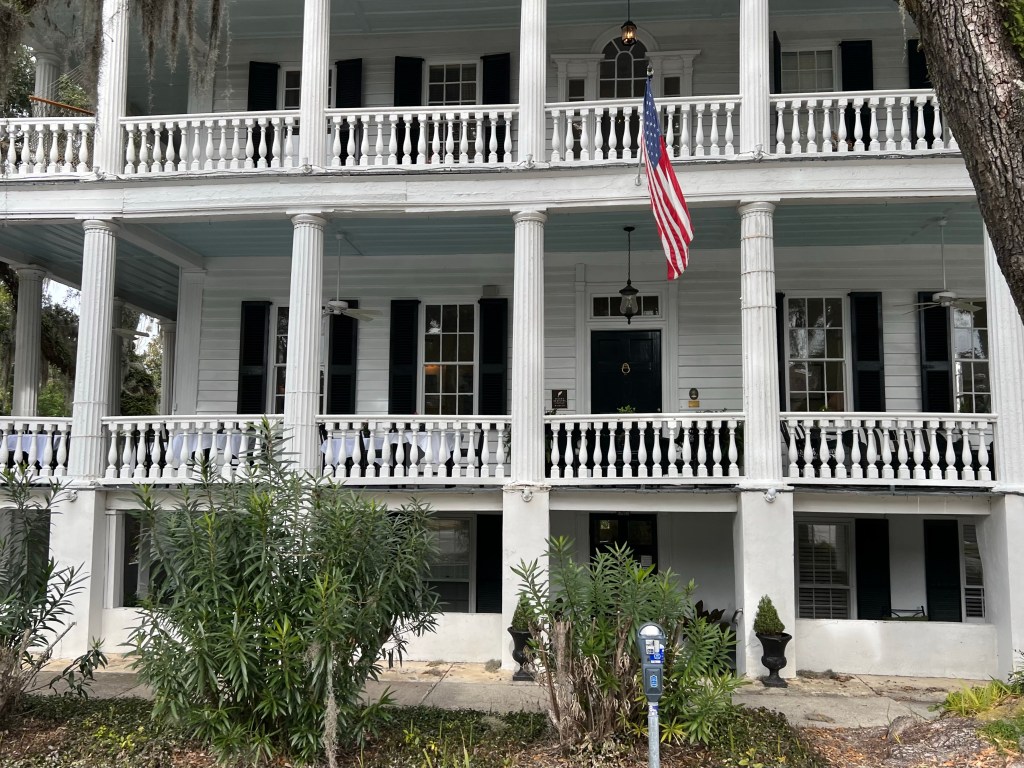
Our tour centered on The Point. The old section of Beaufort filled with beautiful Civil War era homes.
.
.
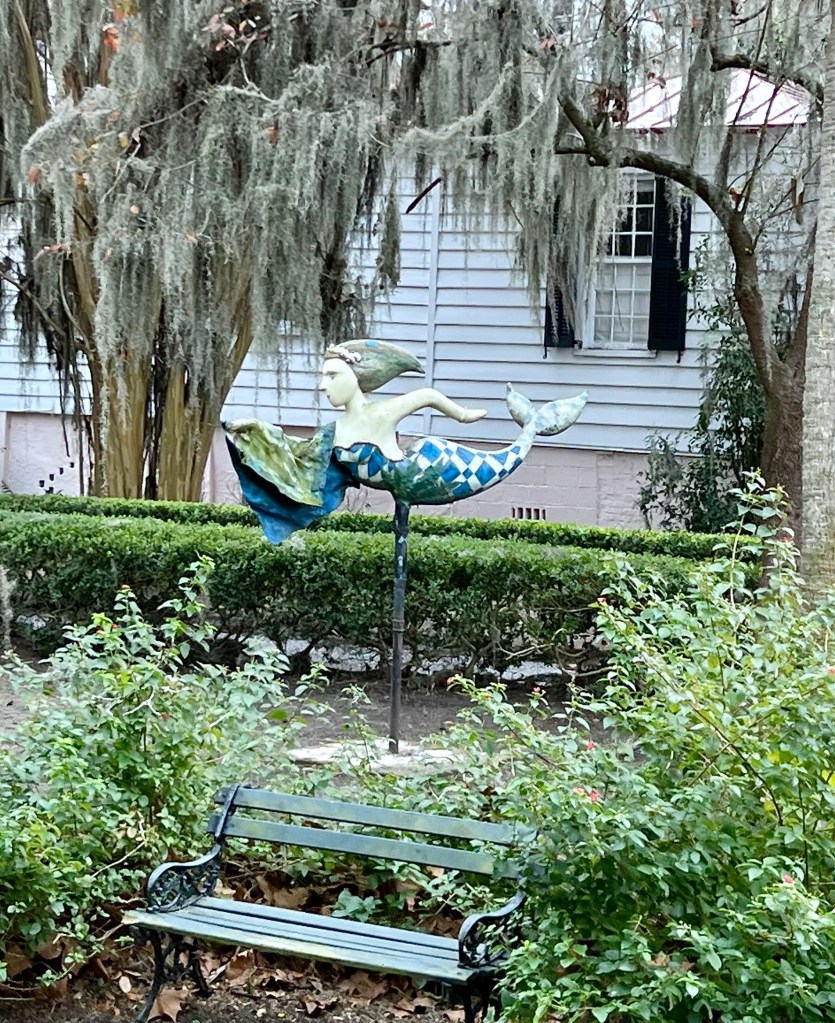
And some quirky art.
.
.
At the beginning of the war the savvy residents of Beaufort took part in what is now known as the Great Skedaddle.
In the panic of The Great Skedaddle of 1861—the hasty escape of white residents from Beaufort, South Carolina, six months after the start of the Civil War—anything that could not be buried or carried was abandoned. Enslaved people were left behind along with all the wealth accumulated from nearby cotton plantations: expensive furniture, horses, and clothing. When the Union Army arrived, there was only one white man left in town and he was dead drunk, or so the legend goes.
As history would have it, what drove white Beaufortonians from their homes was ultimately what saved the town they left behind. Unlike burned and battle-scarred Charleston, 50 miles to the north, the Union Army claimed Beaufort without a fight. Setting up operations in the town’s stately mansions rescued them from destruction. To this day, Beaufort has more surviving antebellum architecture than almost anywhere else in the South.
.
.
It’s a lovely area, literally lost in time and lovingly preserved.
.
.
That stone out front? A step for women to board carriages without displaying their ankles. Only shameless hussies flashed those.
.
.
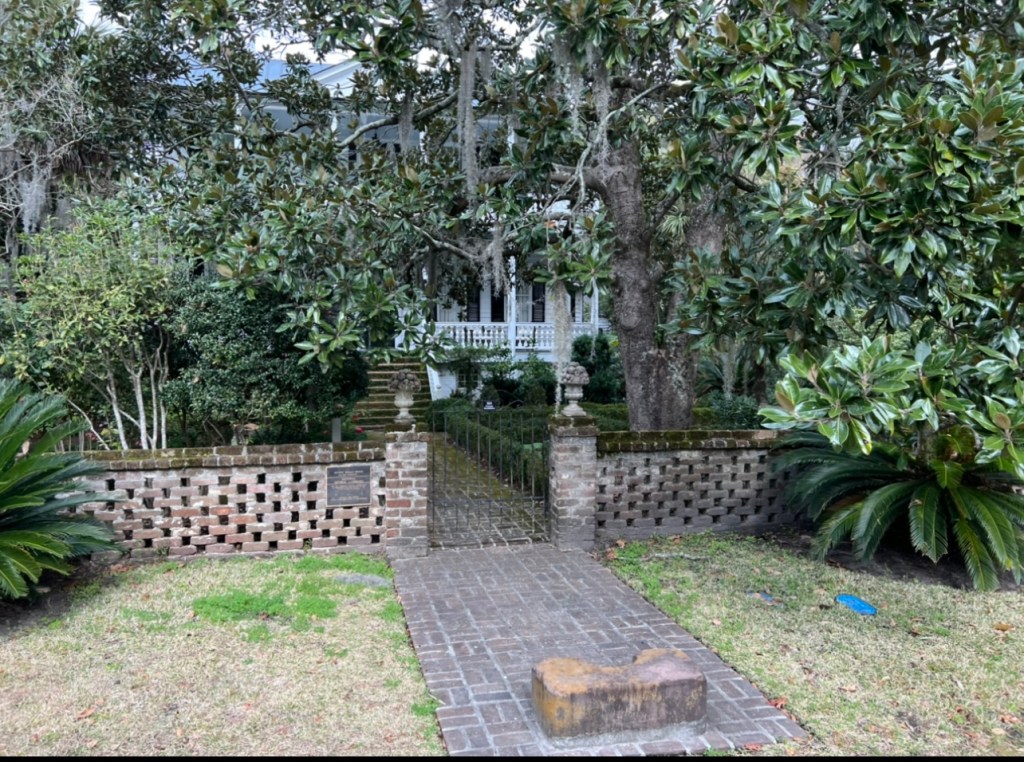
This wall is called pigeon hole brick and is completely original.
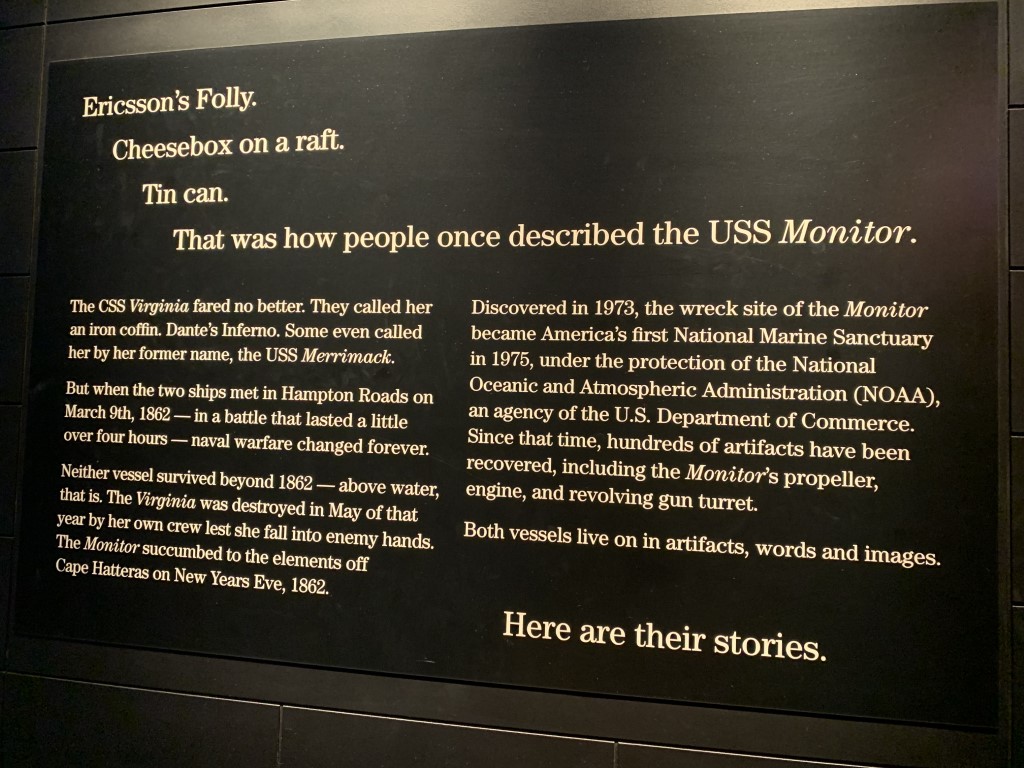
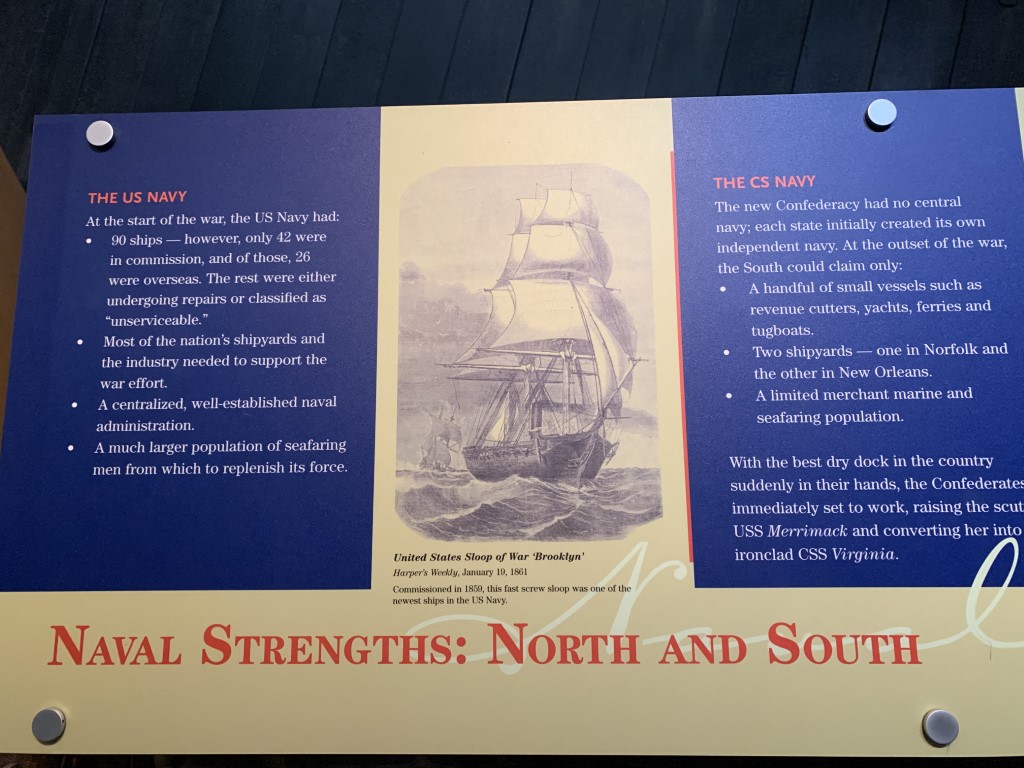
So class, yesterday we learned about the CSS Virginia and how most people call her by the incorrect name of…..?
The Merrimack.
Sure you do… you just haven’t realized it yet.
It’s okay. I’ll wait.
Today, we’re going to the movies.
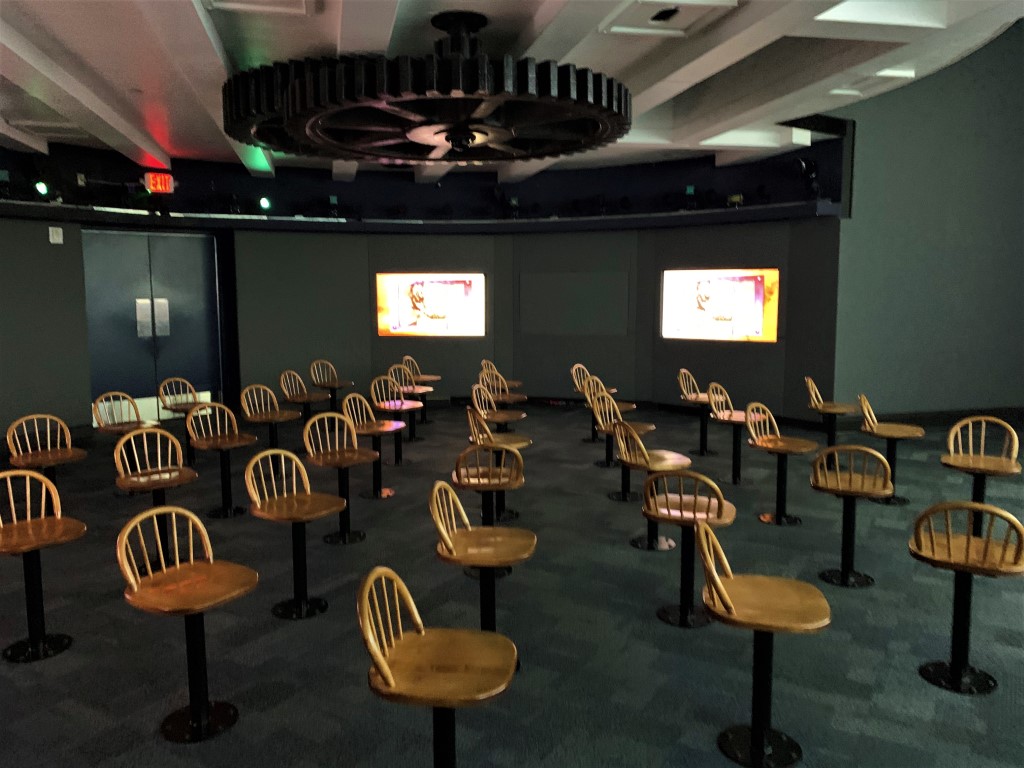
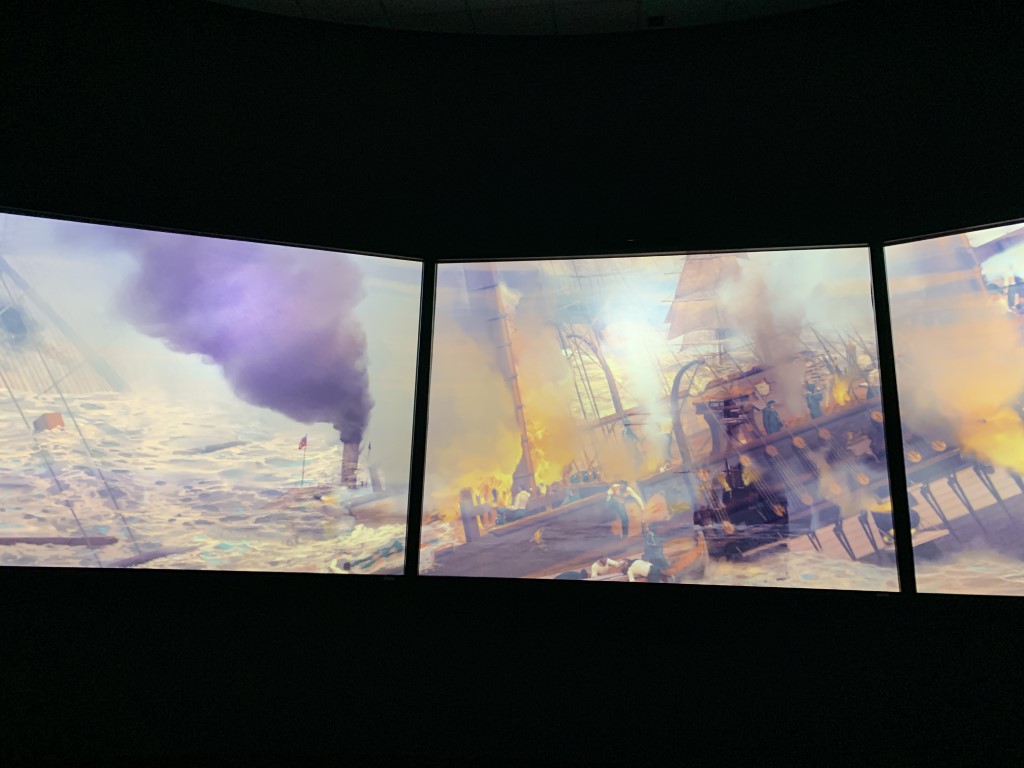
In a surround sound theater that promised an ‘edge of your seat exciting’ depiction of the Ironclad battle.
“You’ll feel like you’re right there!” exclaimed the docent.
Yeah.
About that…
It was a cartoon.
An informative cartoon, I grant you…
But a cartoon all the same. And even with the rolling smoke that issued from the walls and floor…. I didn’t feel any more there than I did watching Bugs Bunny as a child.
Oh well, there were better things ahead.
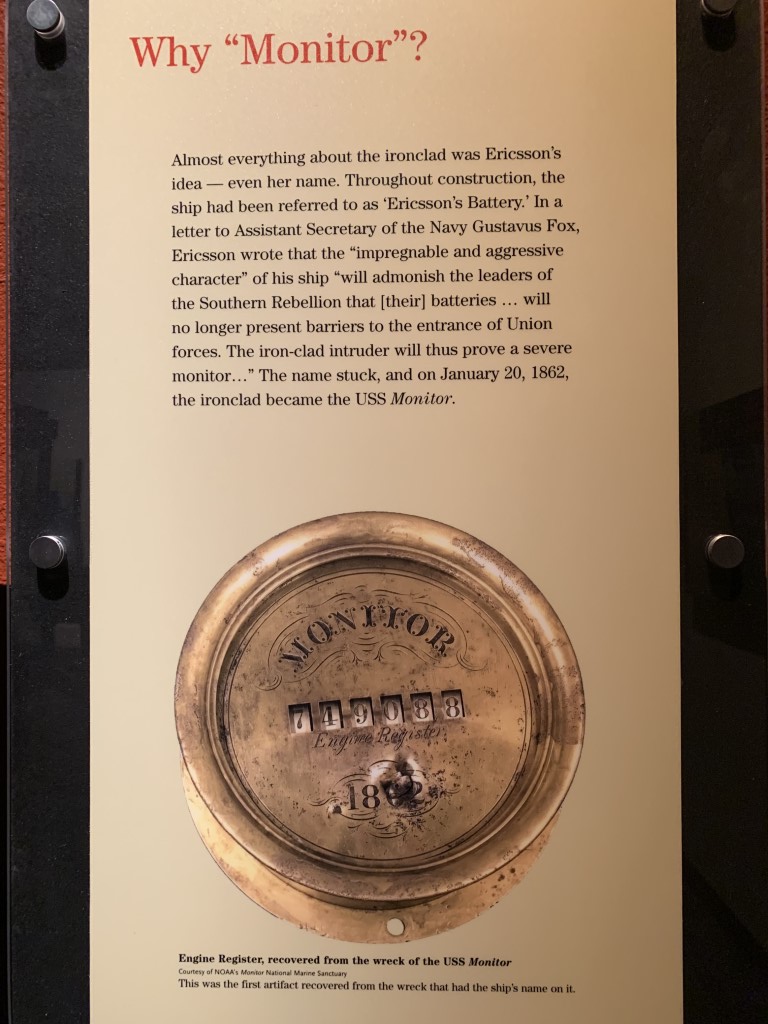
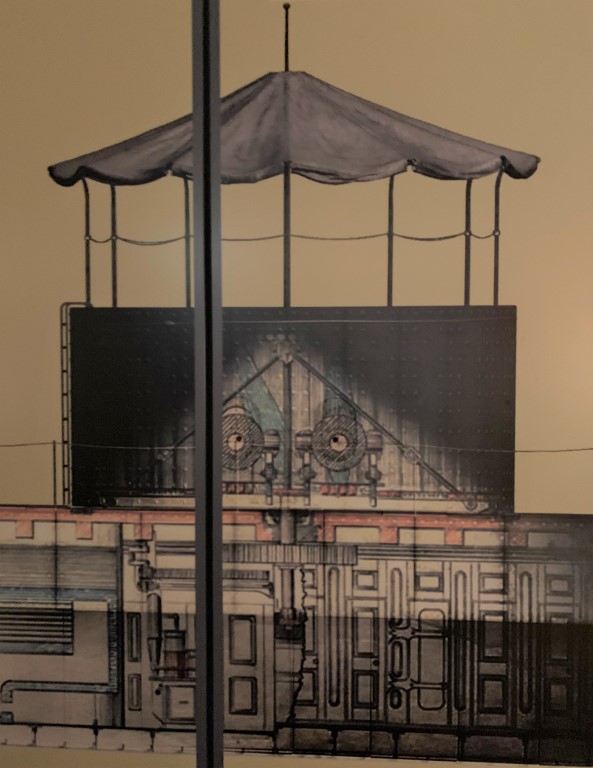
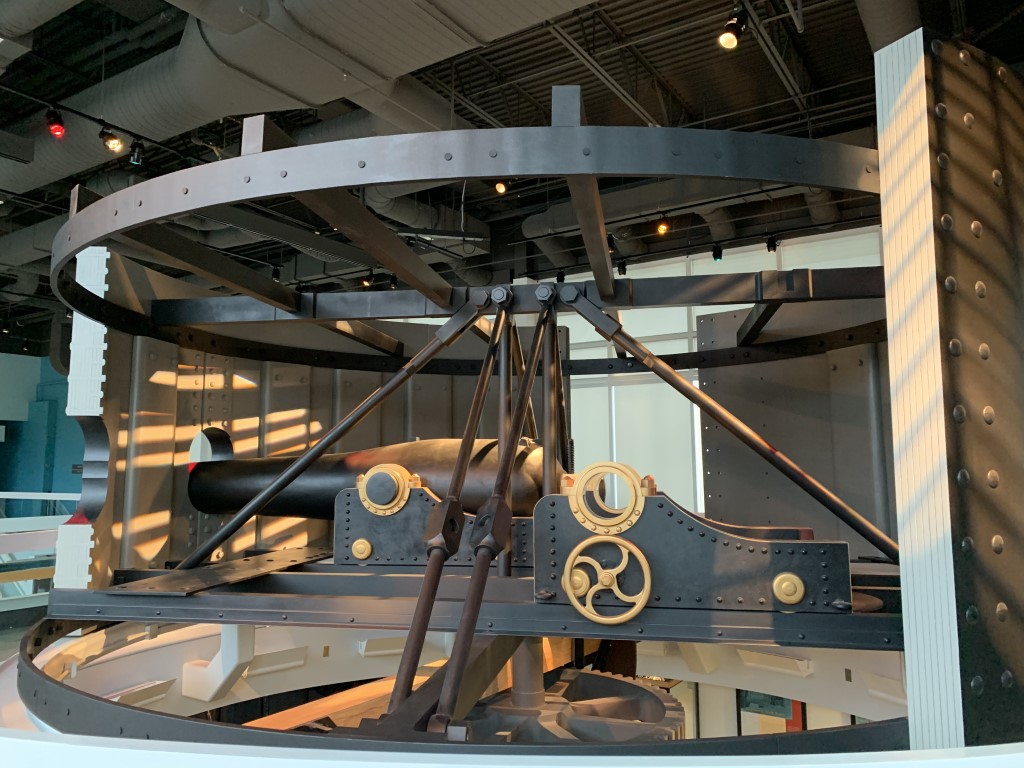
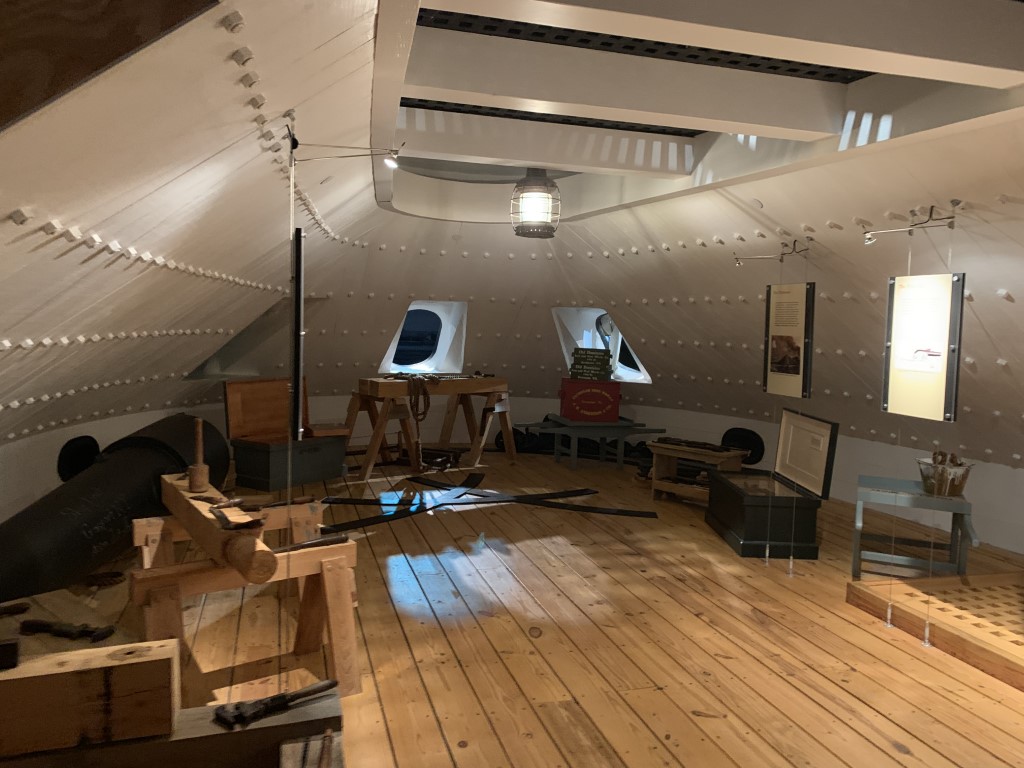
Like the USS Monitor… famous for her spinning gun turret.
Is it me, or does that thing look like a drunken owl?
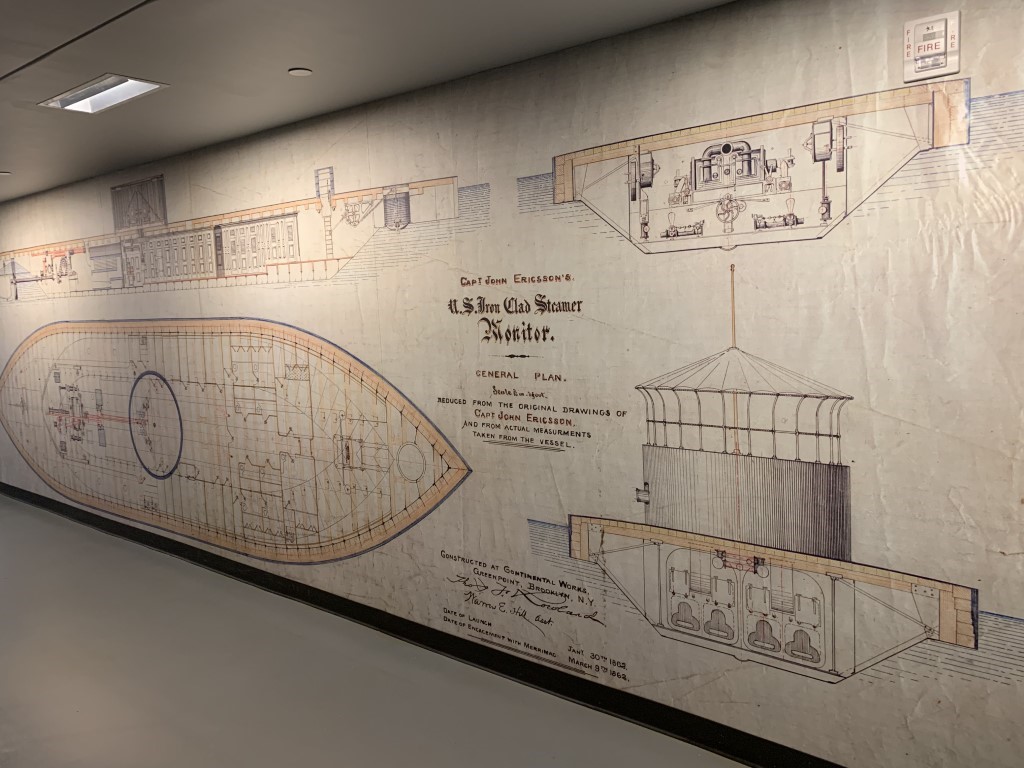
She was built in 100 days, which was an amazing accomplishment for the time.
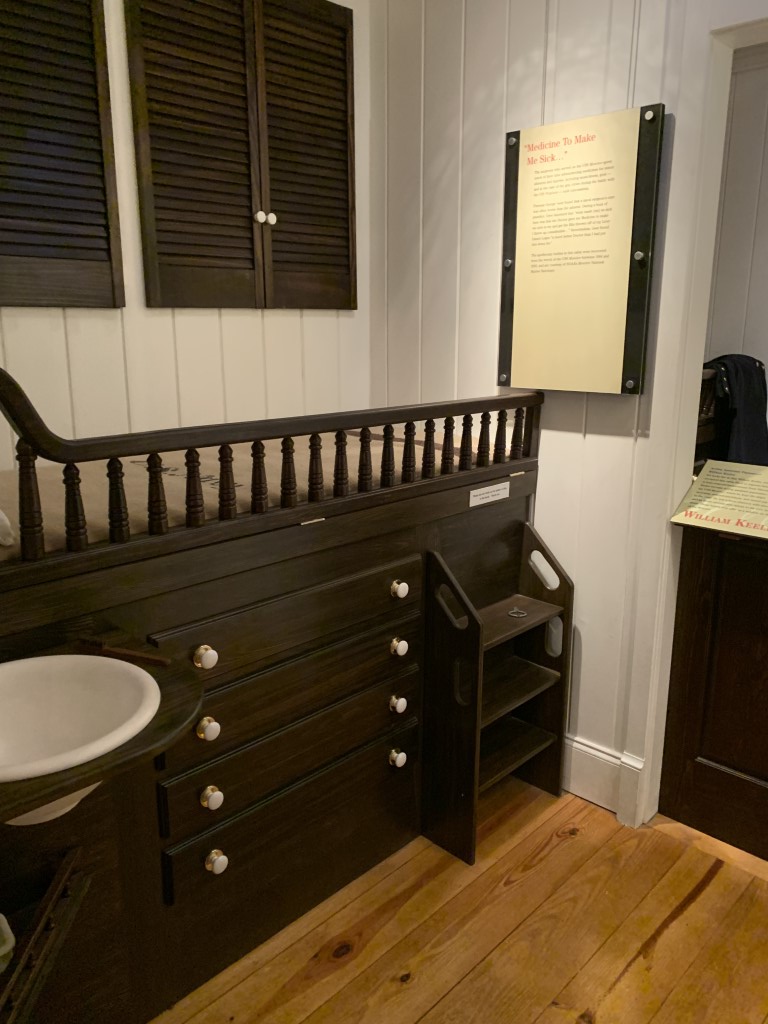
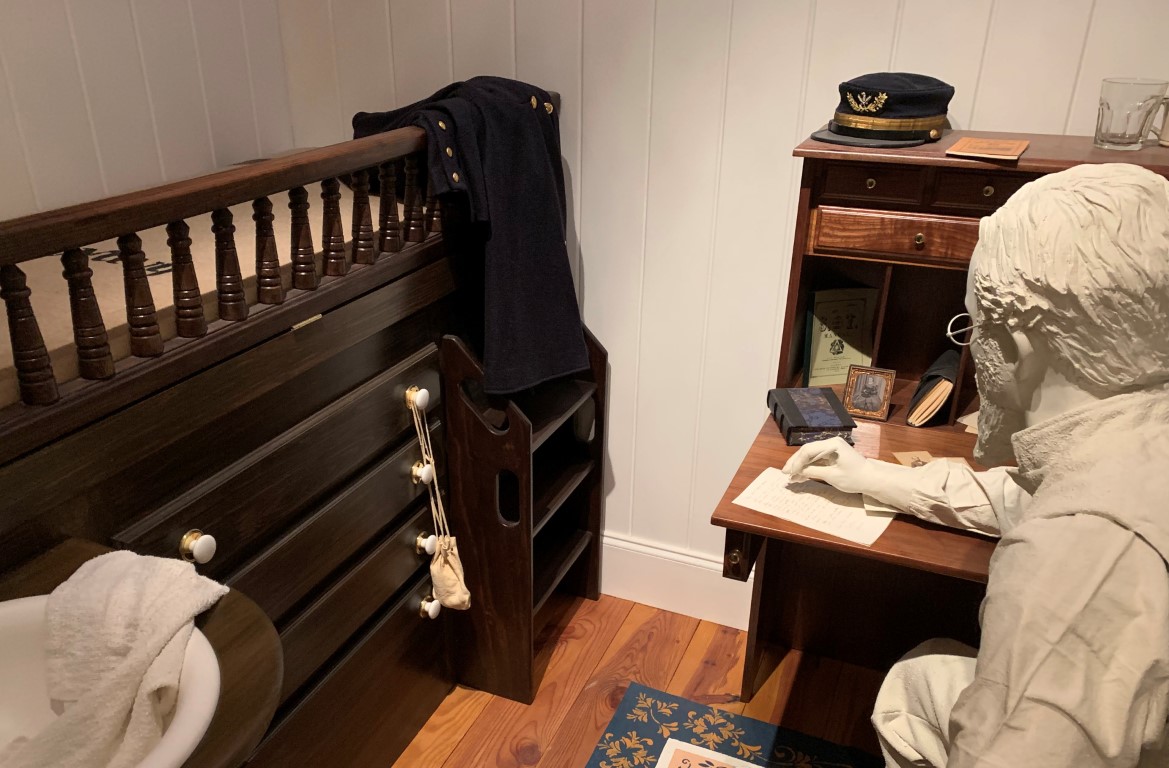
And the museum faithfully recreated what the officer’s quarters looked like upon completion.
Not too shabby.
If a wee bit small.
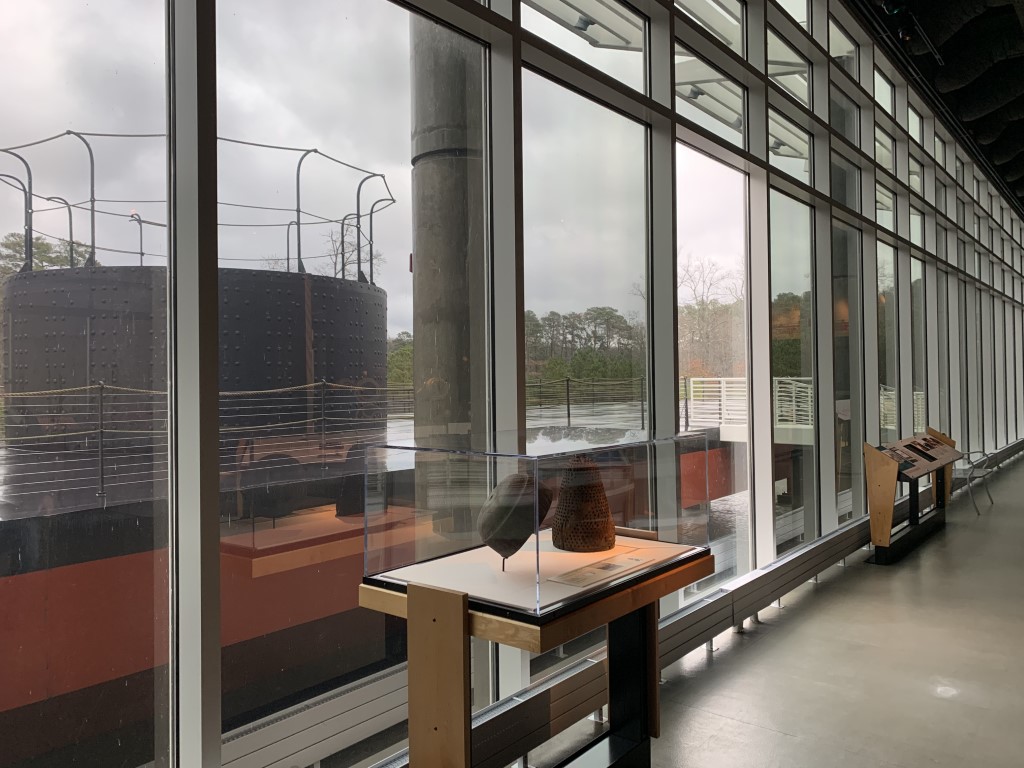
There were lots of interesting artifacts to examine.
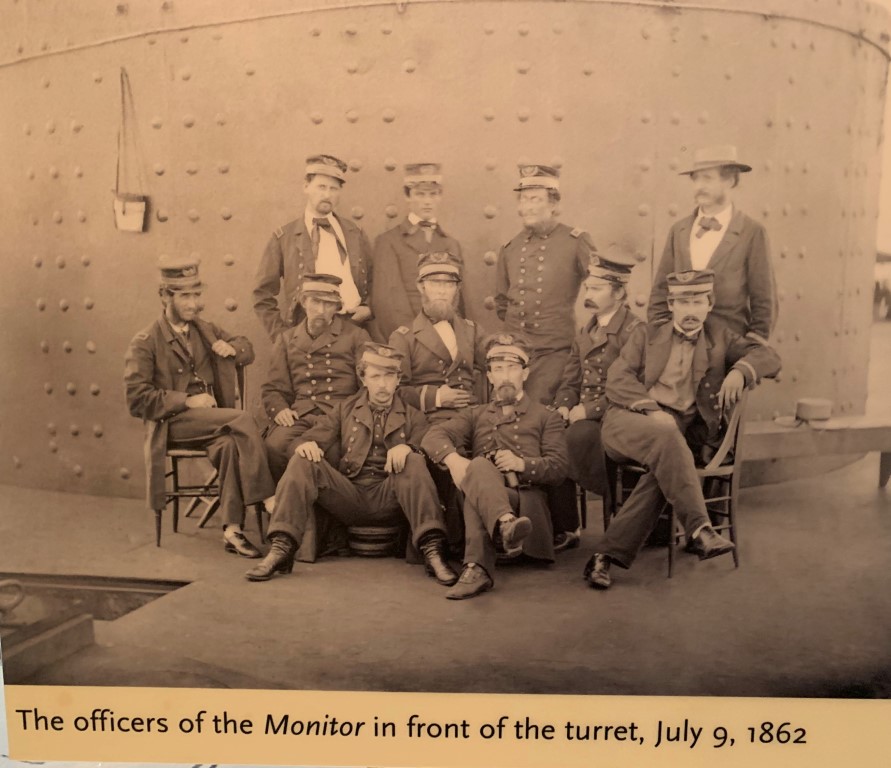
As well as photos of the men who served aboard her.
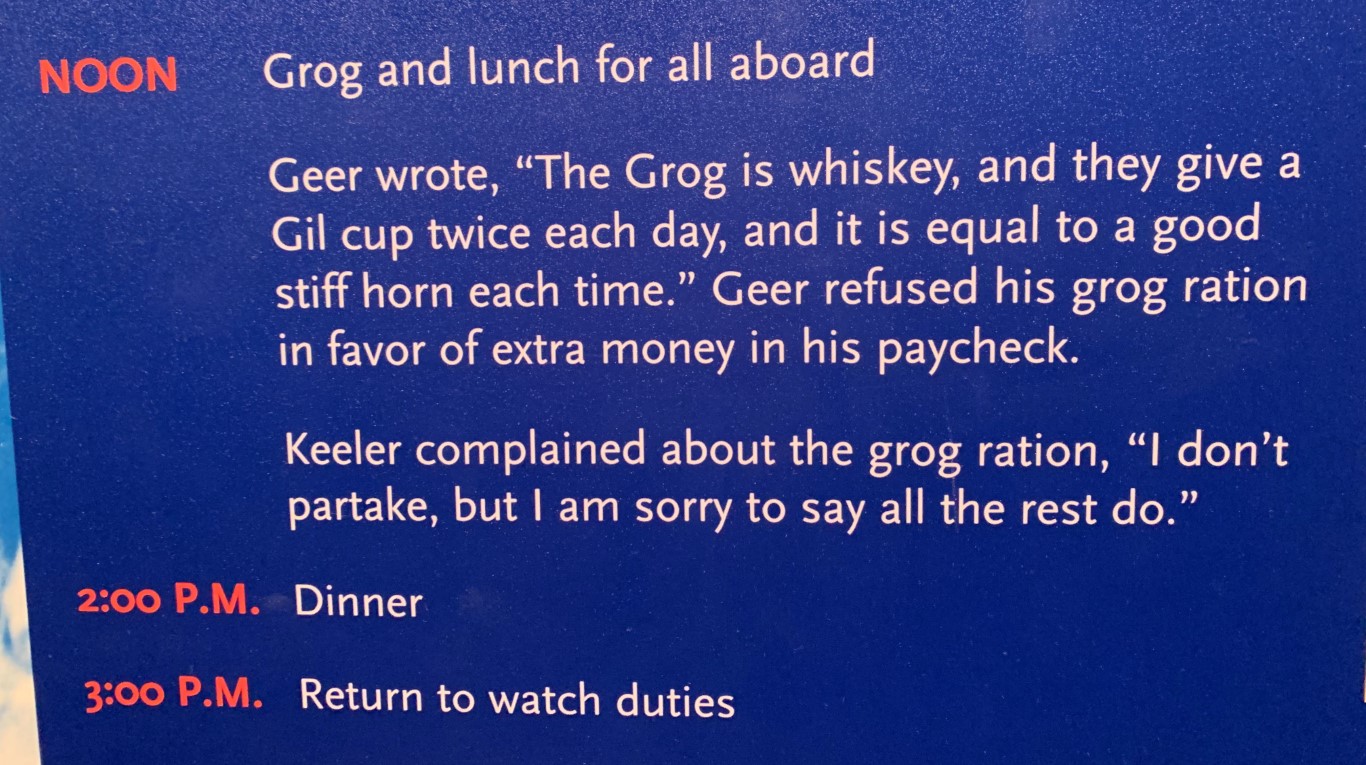
Of course, being me…. you know I had to find some reference to alcoholic refreshment.
And then, in the next section of the museum….
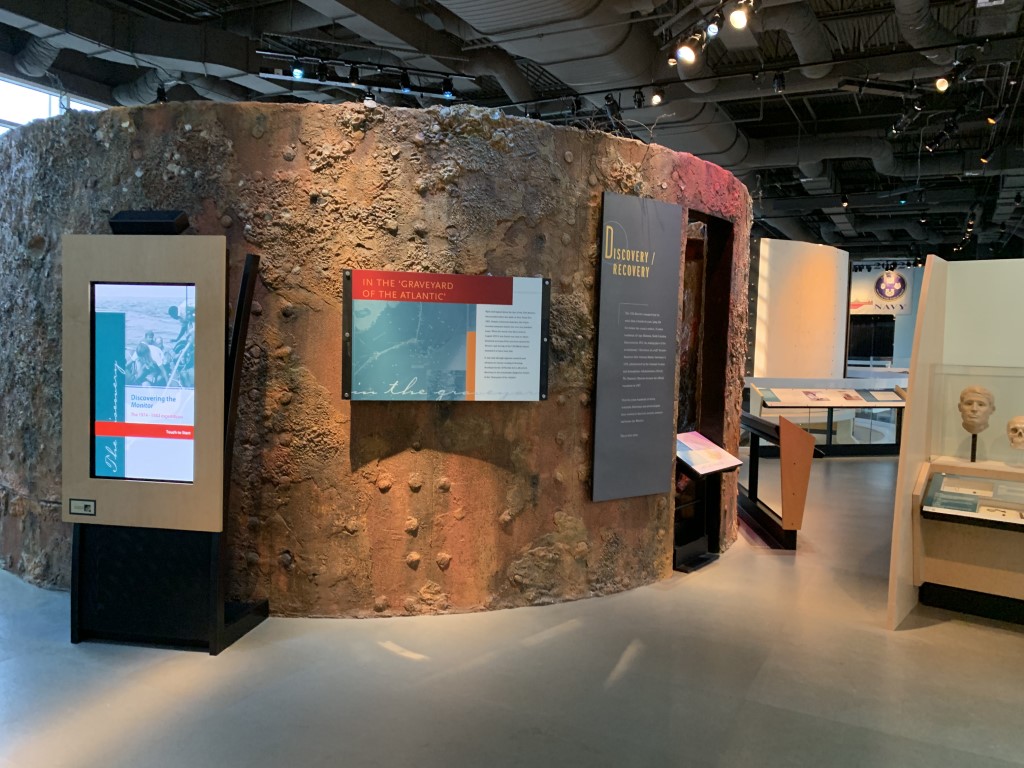
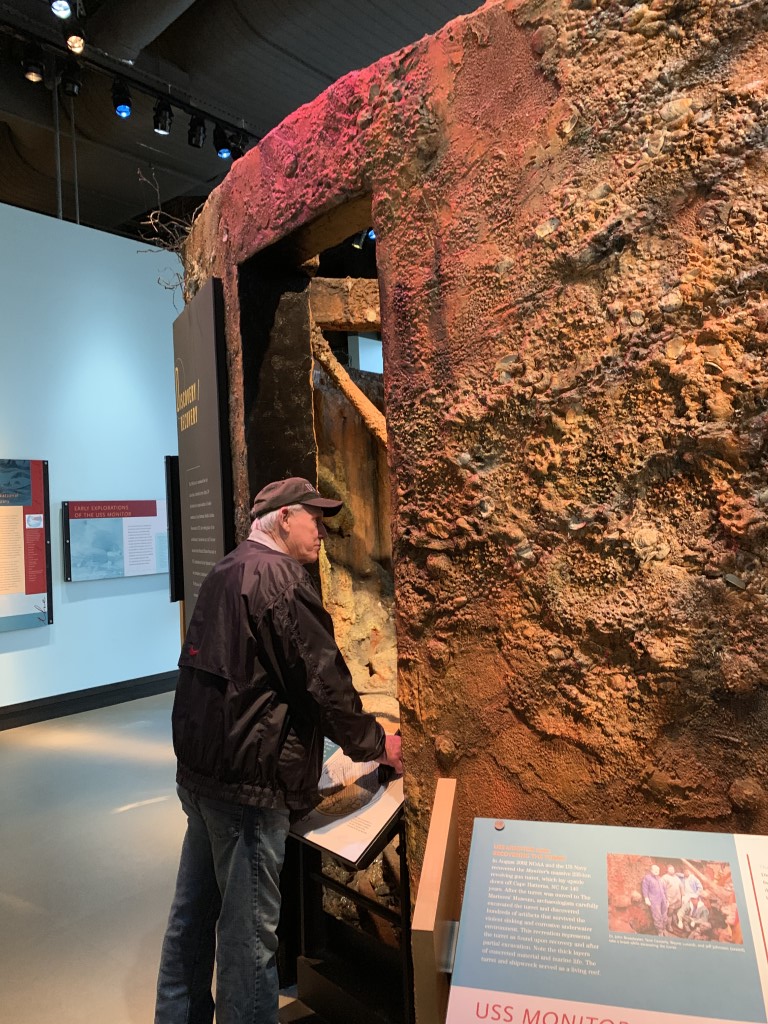
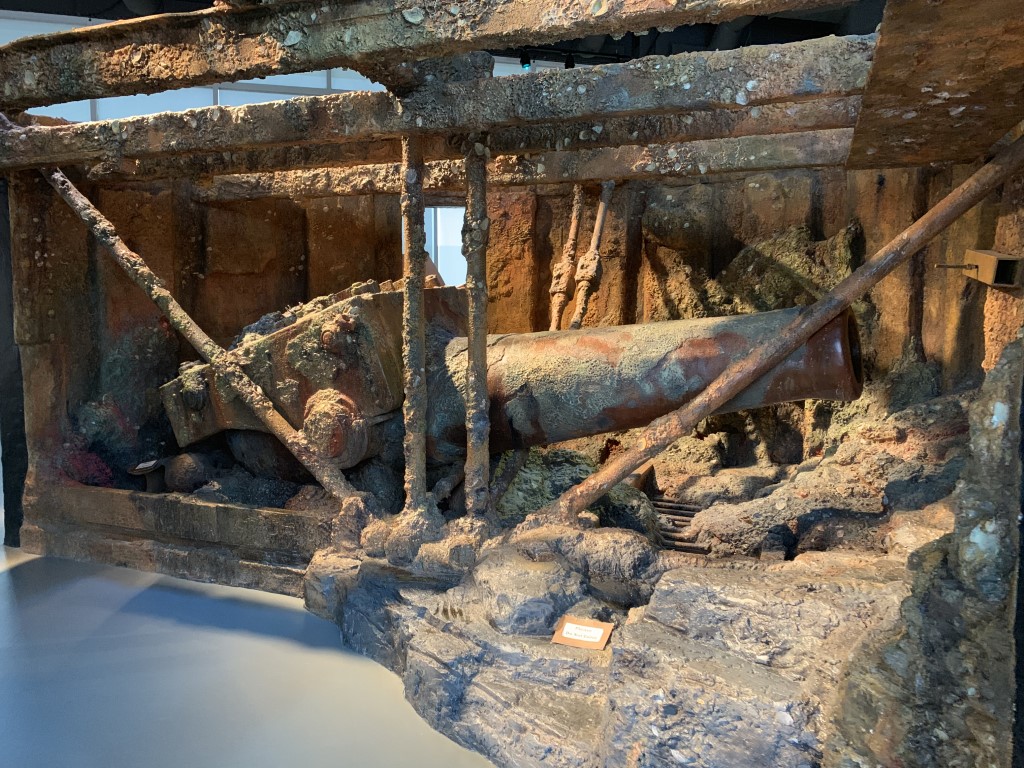
A replica of the recovered Monitor’s turret.
The original is currently on site and being slowly and painstakingly preserved. Read about it’s discovery and journey to Newport News here.
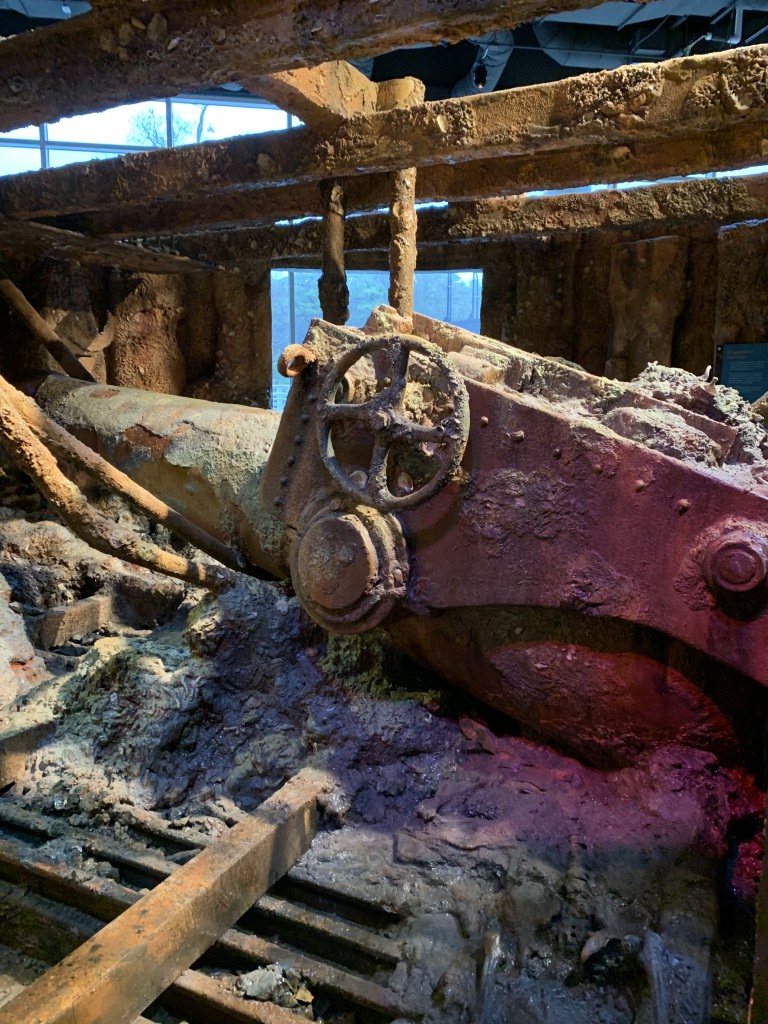
This was basically what it looked like on the ocean floor.
All that rusty metal! You know my other half was thrilled….
But one of the most impressive aspects of this museum’s exhibit?
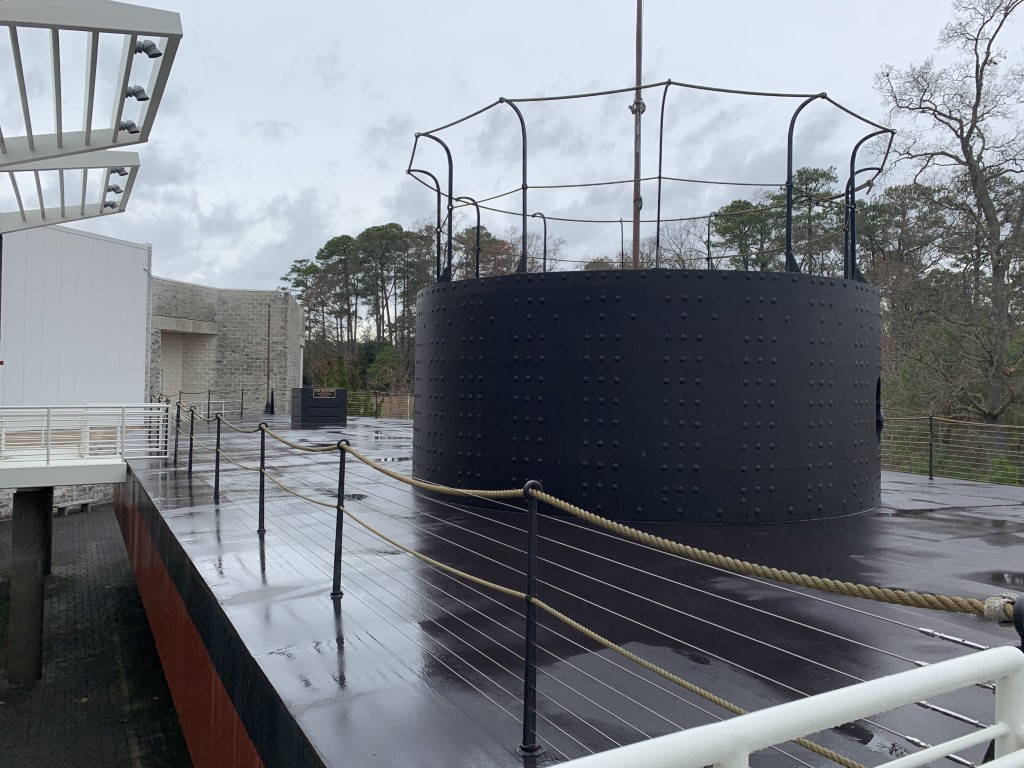
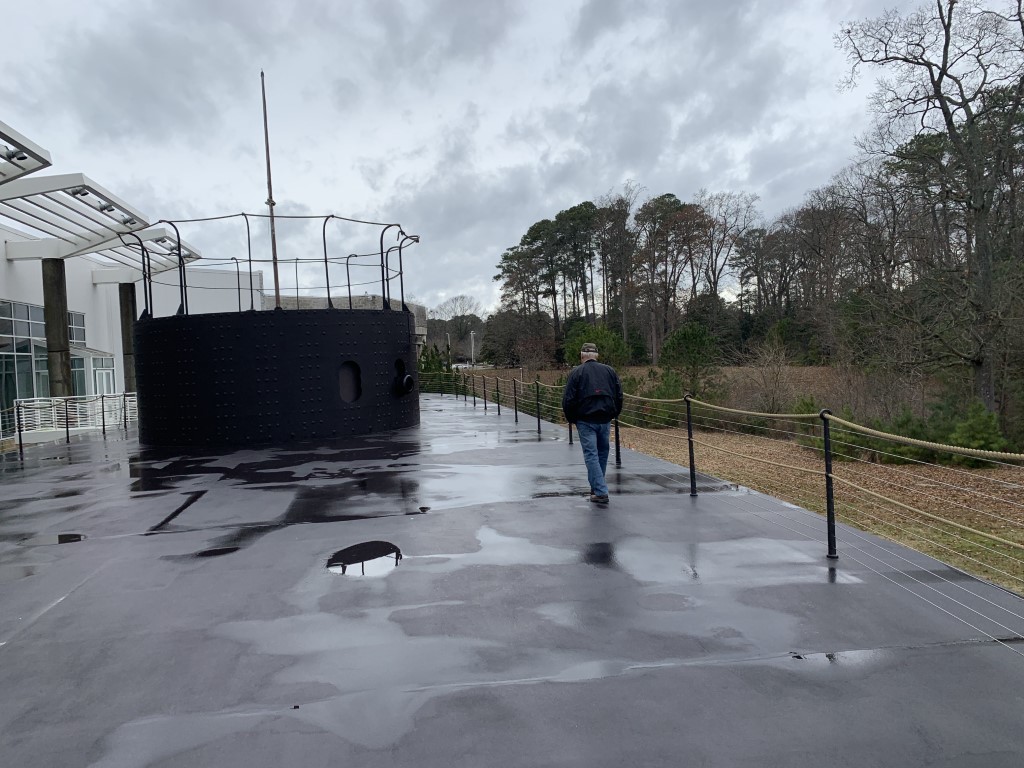
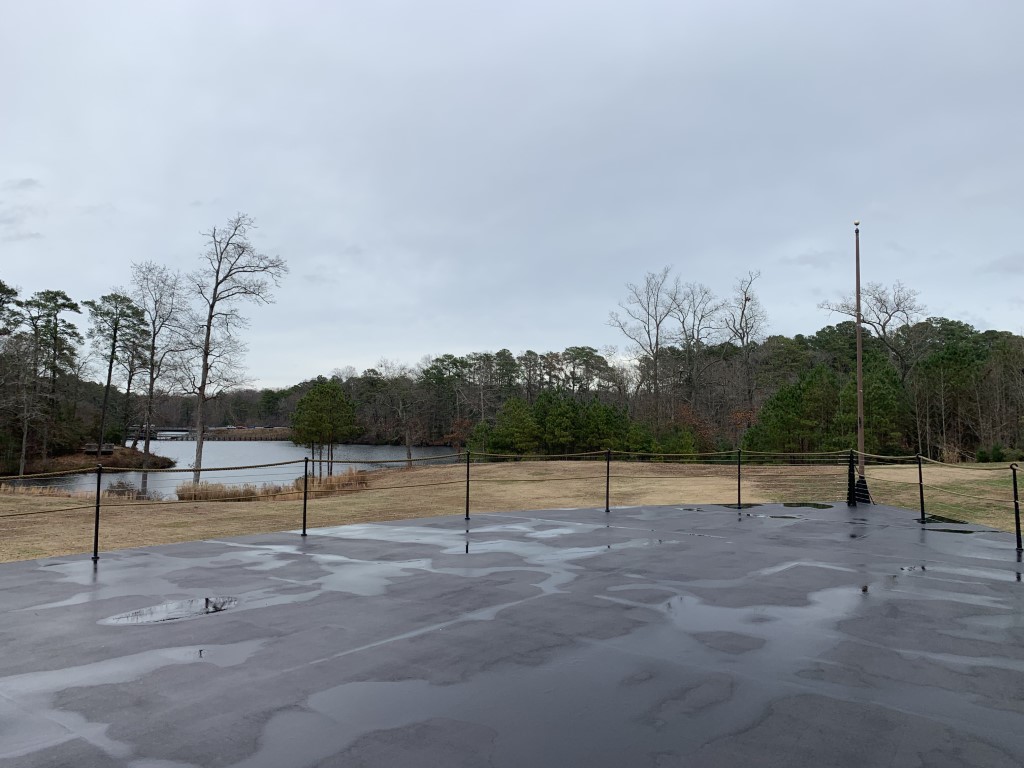
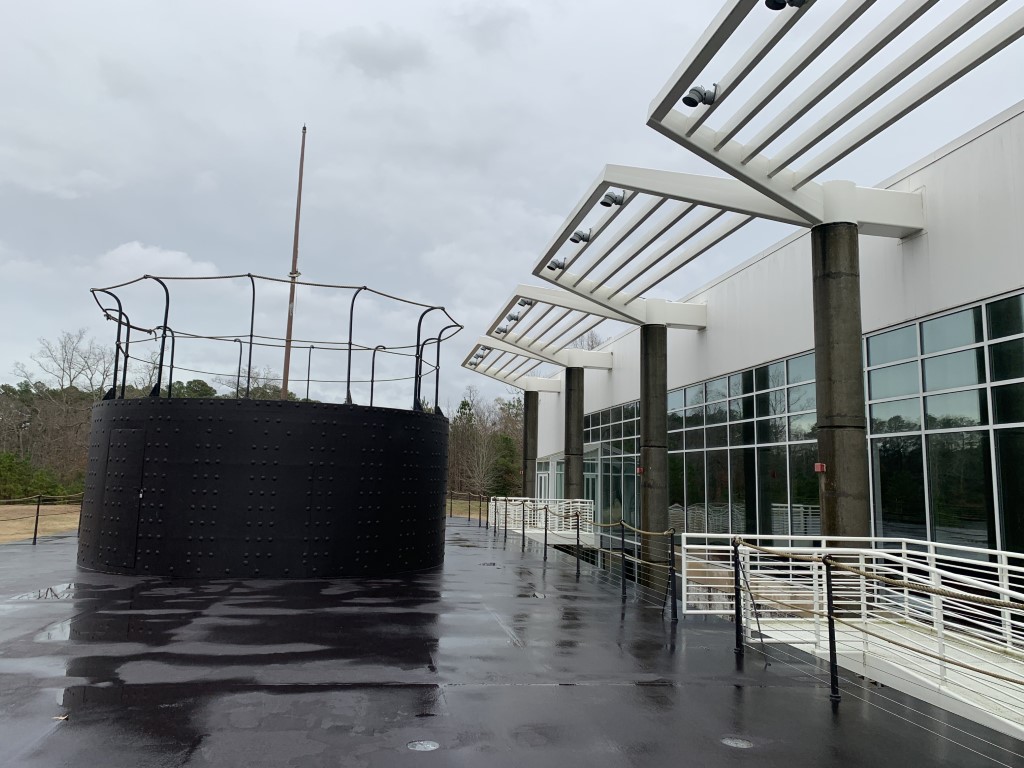
A life size USS Monitor right outside.
Of course it was raining and they advised you not to walk on her slippery deck….
So that’s exactly what we did.
Stand on the bow of an Ironclad?
Uh… yes. I will!
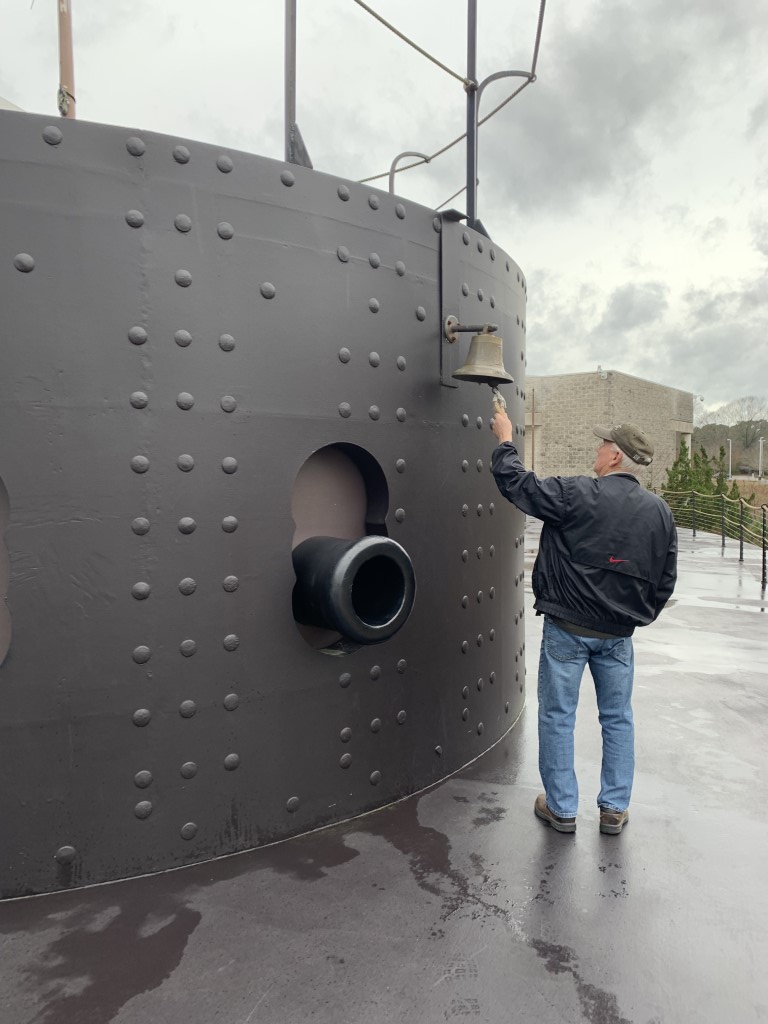
Husband even rung the turret’s bell for good measure.
Cool beans!
And if that wasn’t awesome enough? Back inside and down a flight stairs….
Took you inside the turret.
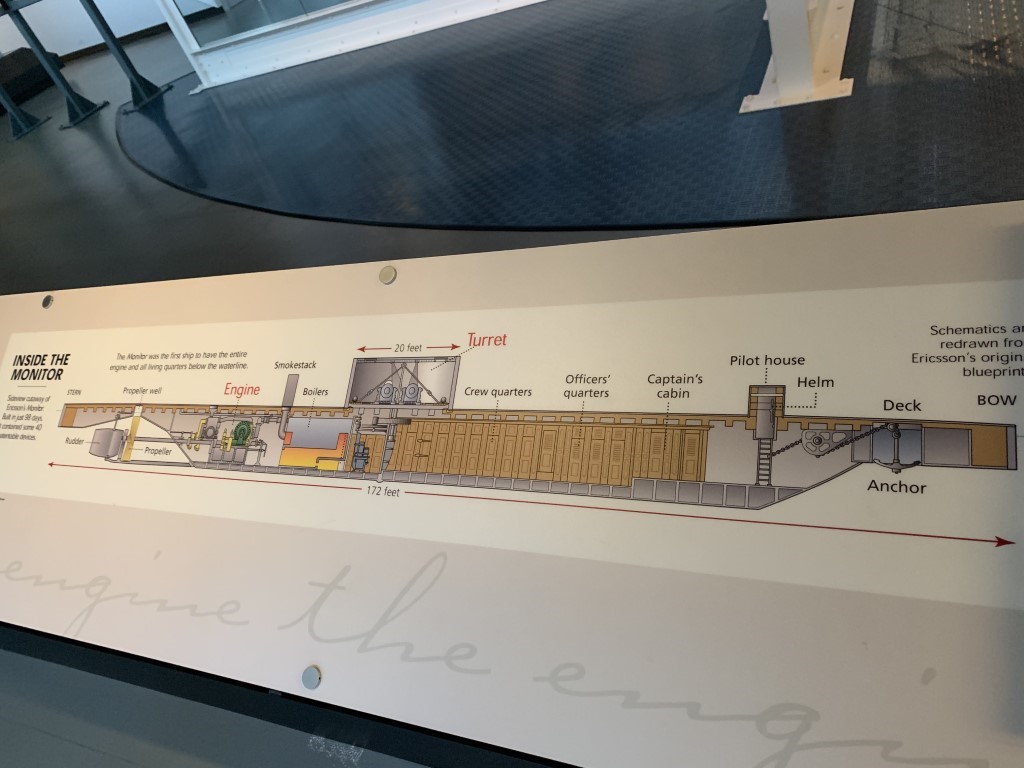
And literally inside the ship itself.
Admittedly the engines and engineering diagrams were above my pay grade.
But the display really gave you a feel for the ship.
And my inner history nerd was sighing with satisfaction.
We did climb up to the observation landing to peer into the lab where the original pieces of the ship are being restored, but it was just giant vats of seawater with electrical current running through them.
Not very photo worthy, so I’ll spare you the shots.
Fear not.
The second half of the museum starts tomorrow…. and it will be a little more fun.
If you’re not a fan of museums, or history, or naval war battles and the Civil War Ironclads?
Please feel free to skip the next dozen posts because that’s probably how long it’s going to take me to document this amazing place in Newport News, Virginia.
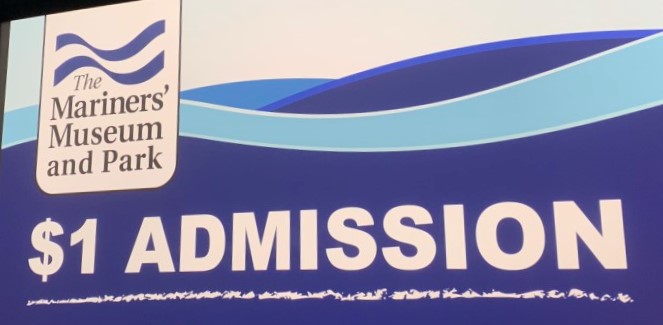
It was an overcast day that was threatening rain so I thought this would be a good choice. I had no idea what to expect and was ready to pay a large ticket price… so imagine my surprise when I saw this.
My first reaction was… man, this place must bite.
But oh, was I wrong.
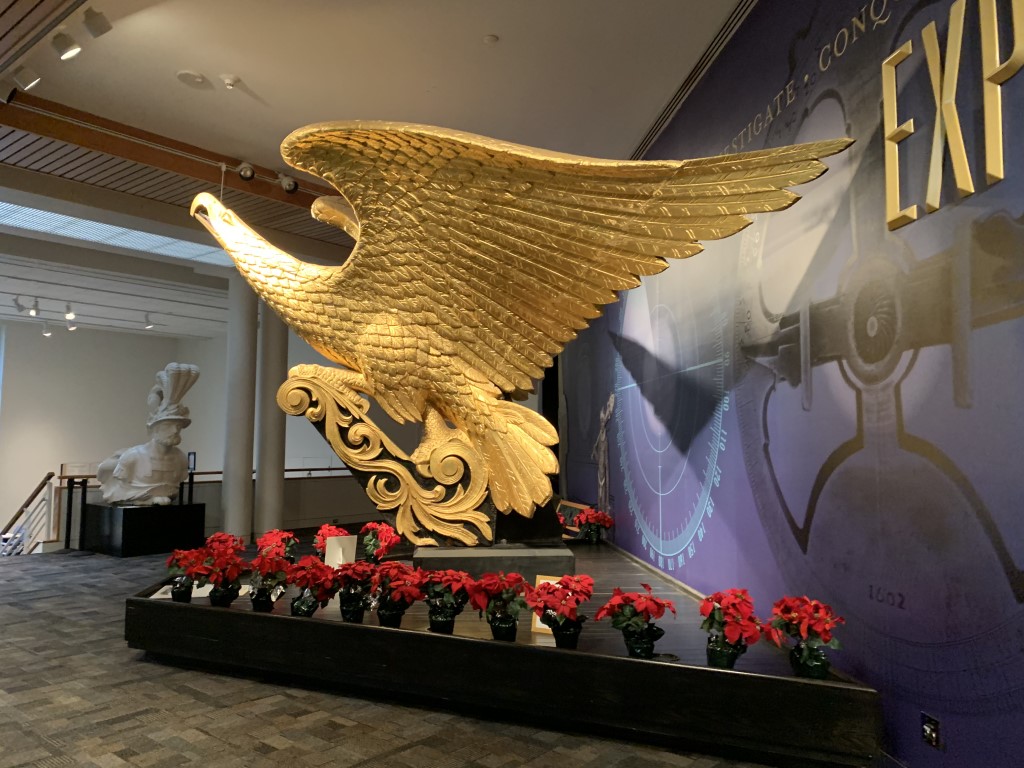
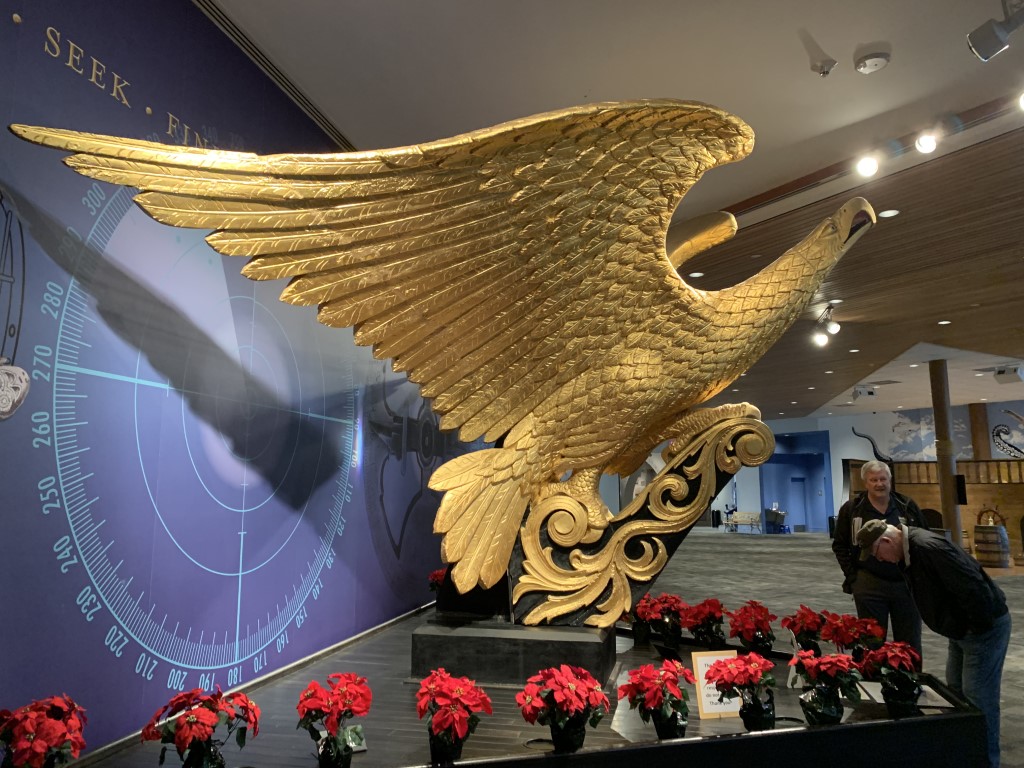
Upon arrival this magnificent eagle greets you.
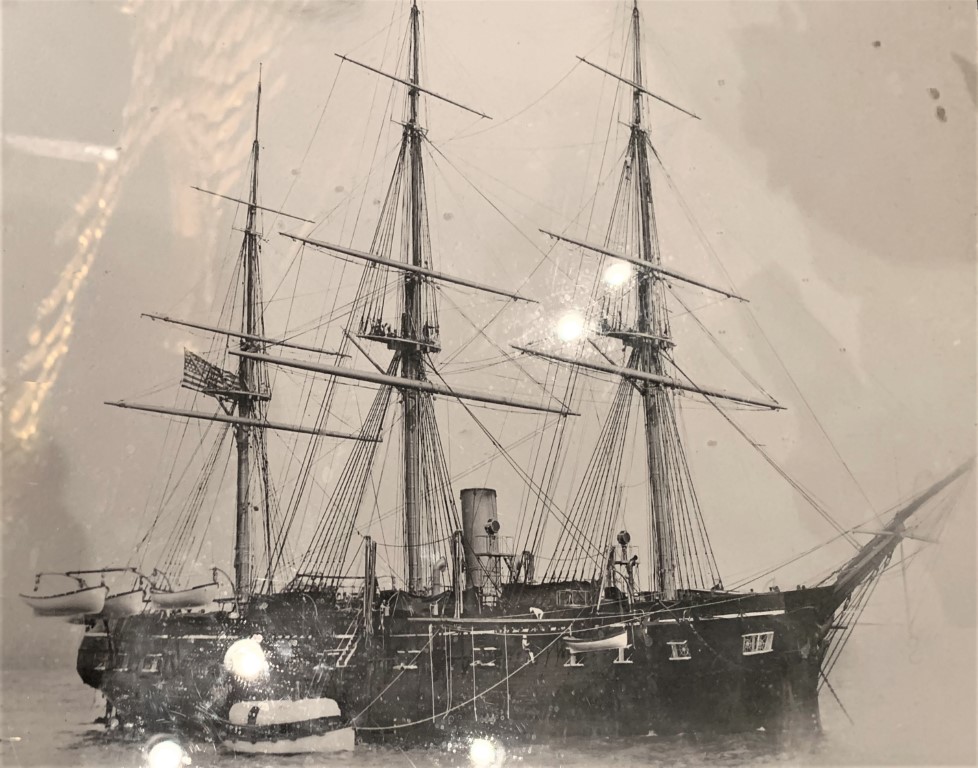
It’s a remarkable carving and was lovingly restored from it’s original perch on the bow of this ship.
Look closely, it’s there. And gives you some perspective of how large those ships really were.
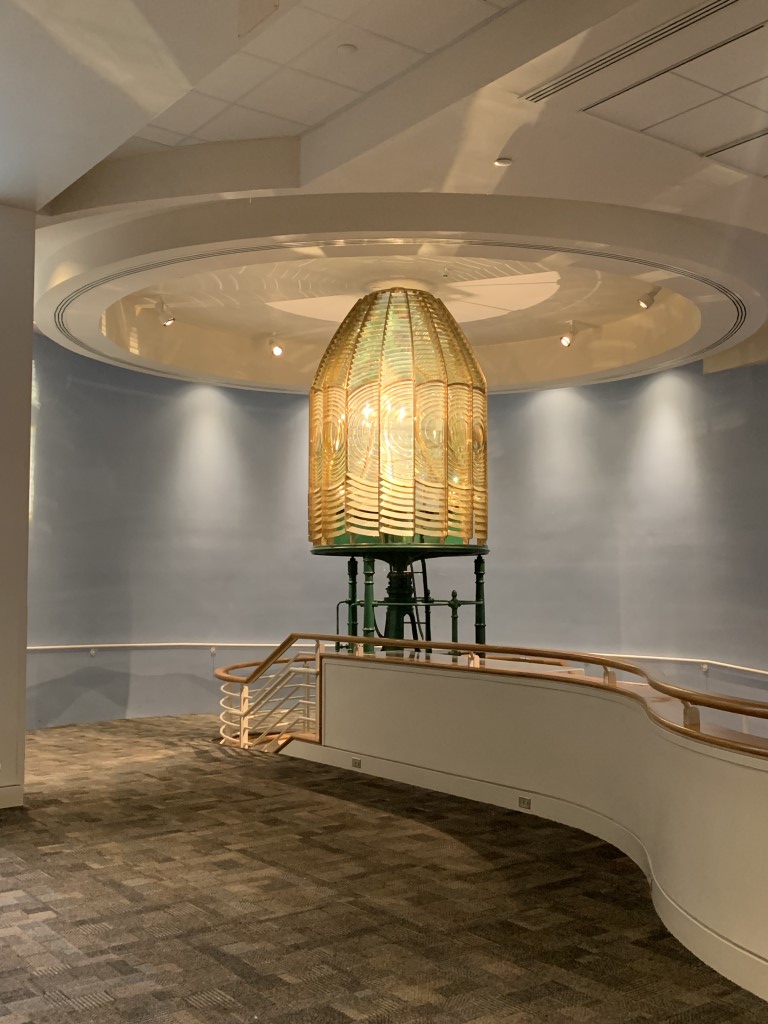
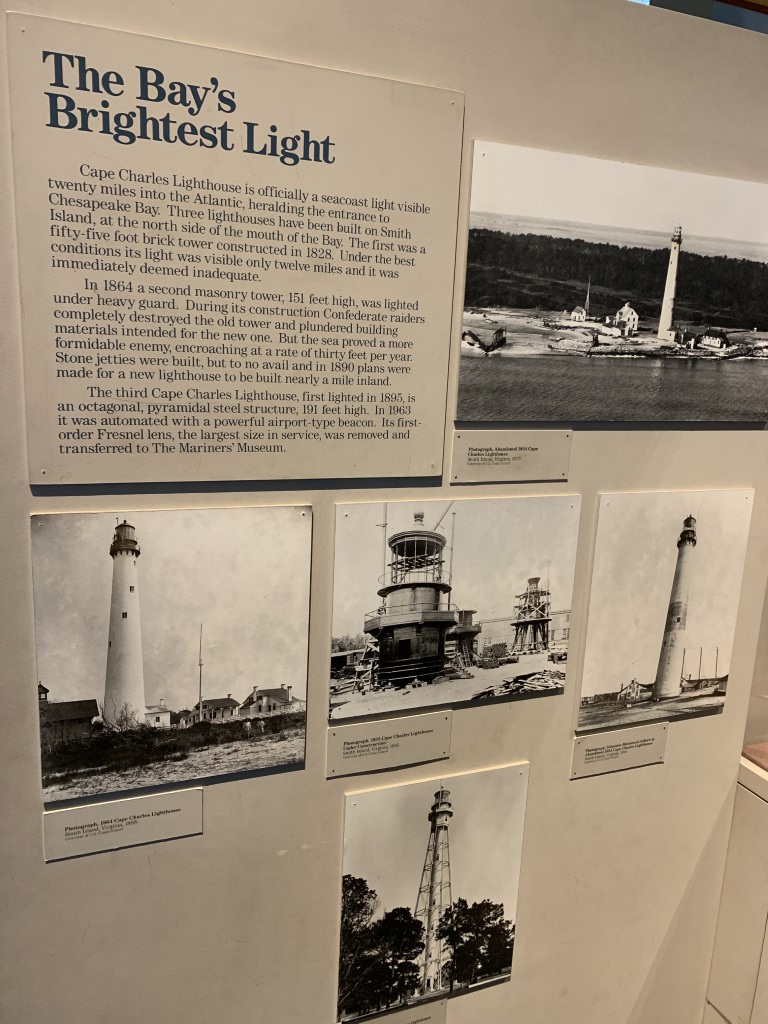
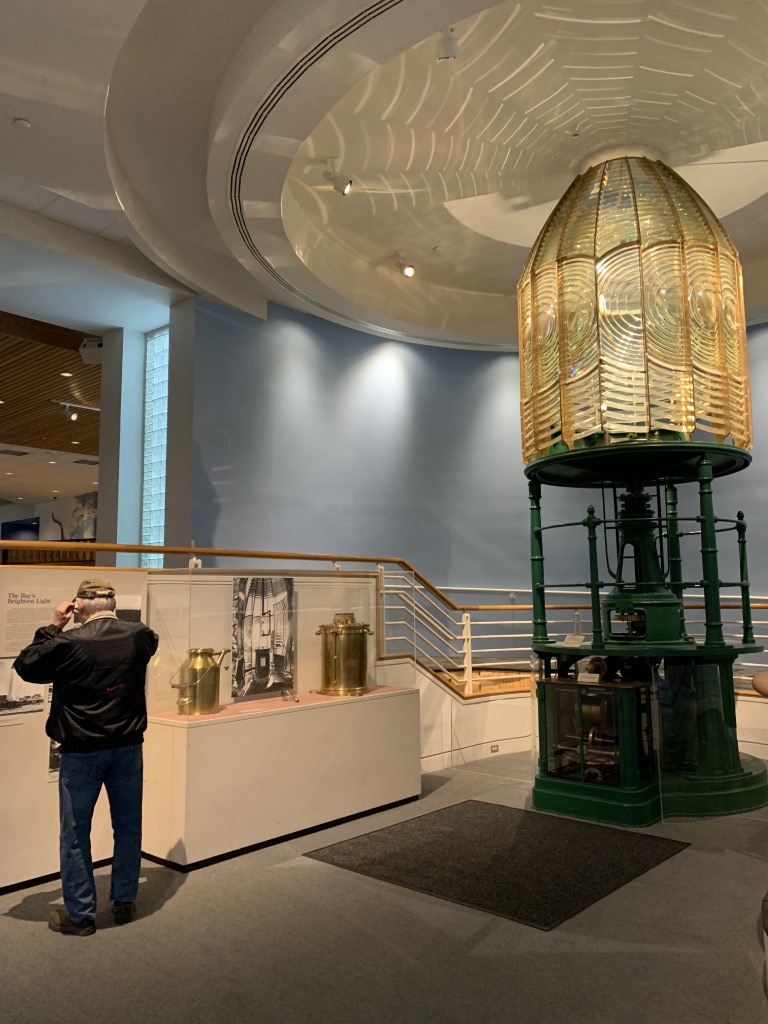
Next up was a light.
But not just any light.
And if these were the items in the lobby?
I knew we were going to have a great day.
There are 2 distinct areas of the museum to visit, but being a Civil War buff? I had to choose this first.
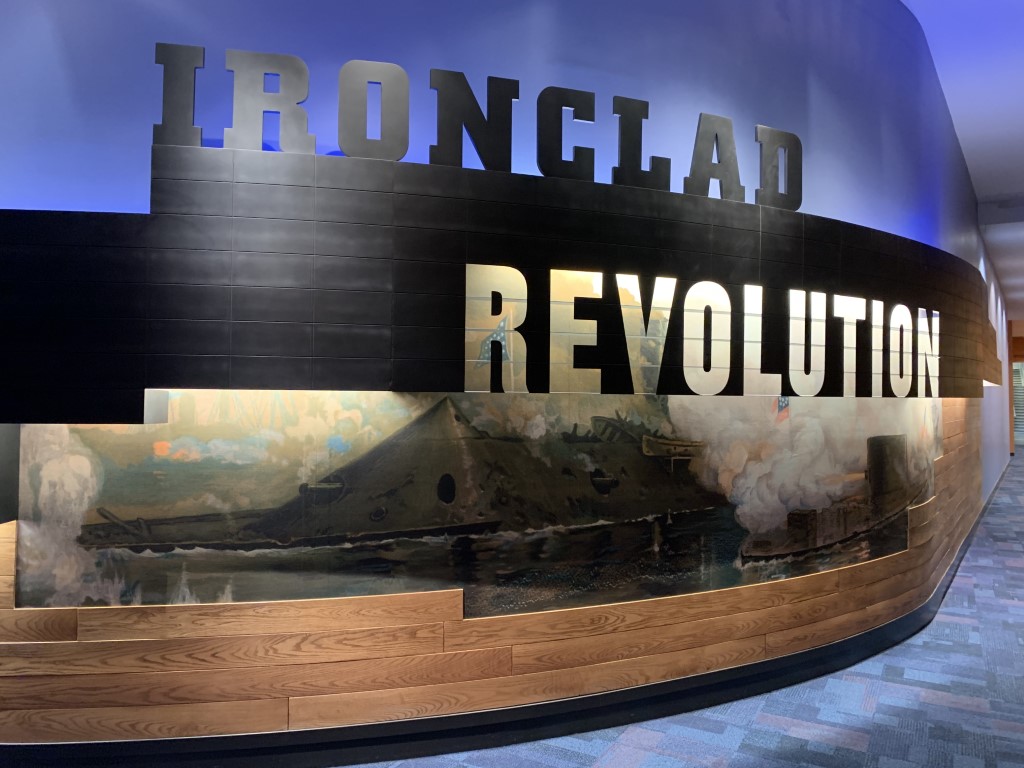
The Ironclads.
If you know nothing about them? Hang on.
You will by the time I’m through with you.
Great.
Let’s continue….
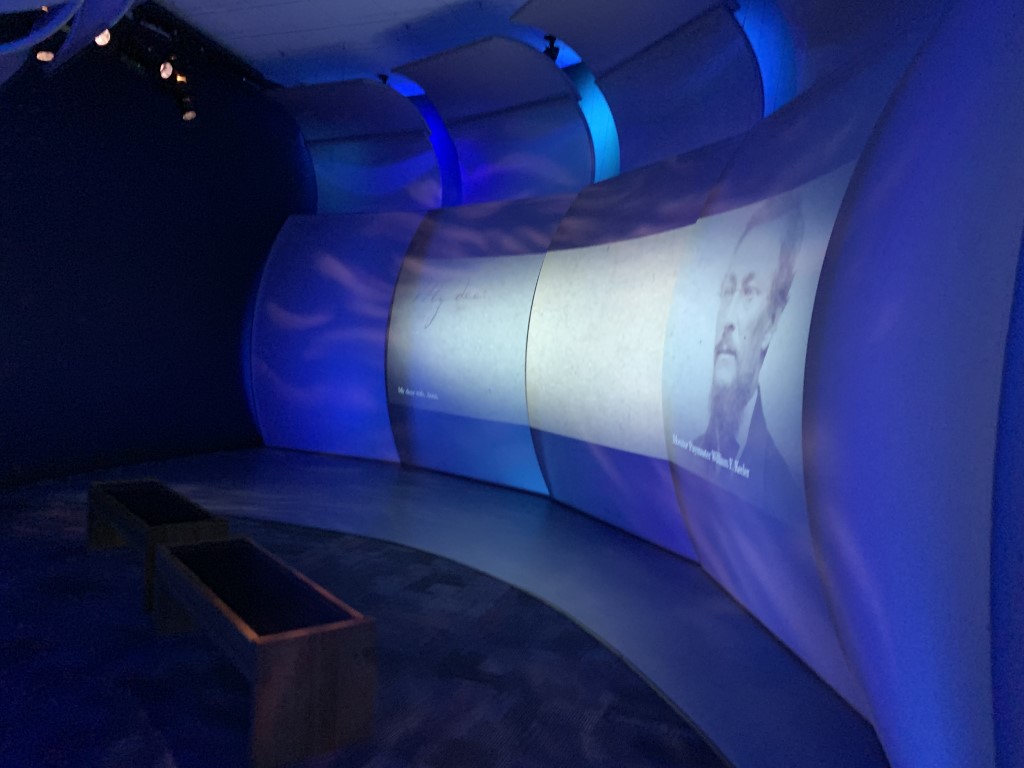
Turning the corner, we entered this bizarrely blue movie theater that told the story of the Monitor’s sinking.
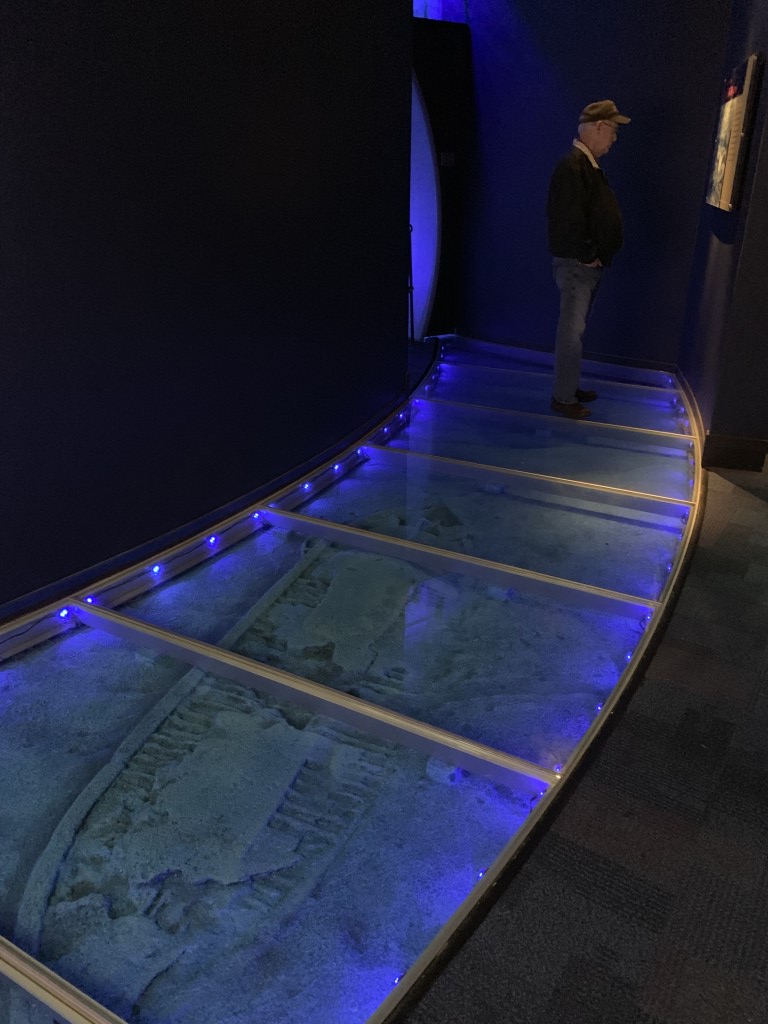
Turn another corner…. and there she was.
Right under your feet.
And by watching the films, you come to realize how truly dedicated these people are to preserving history.
I found it quite moving.
Around the next corner…
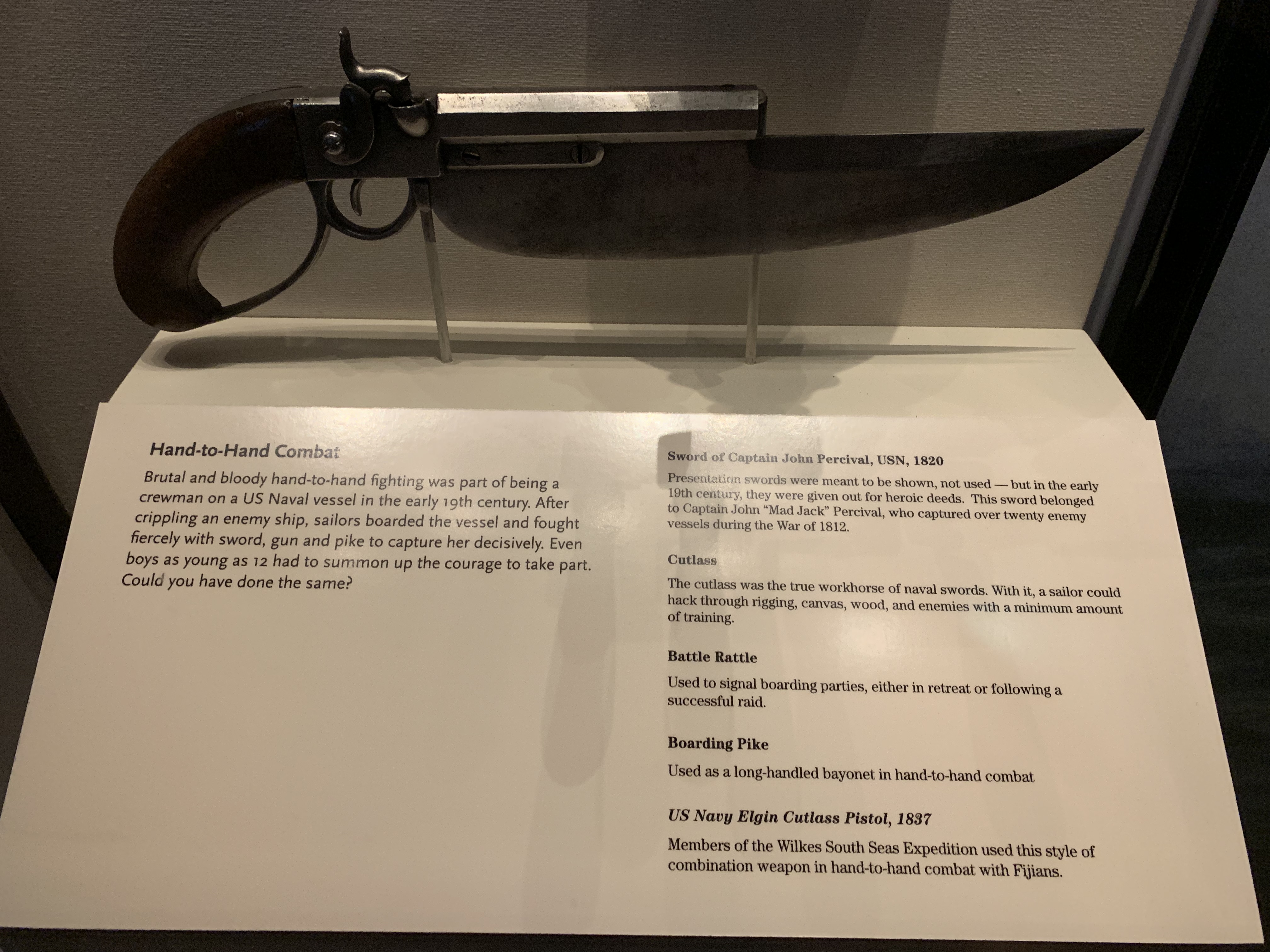
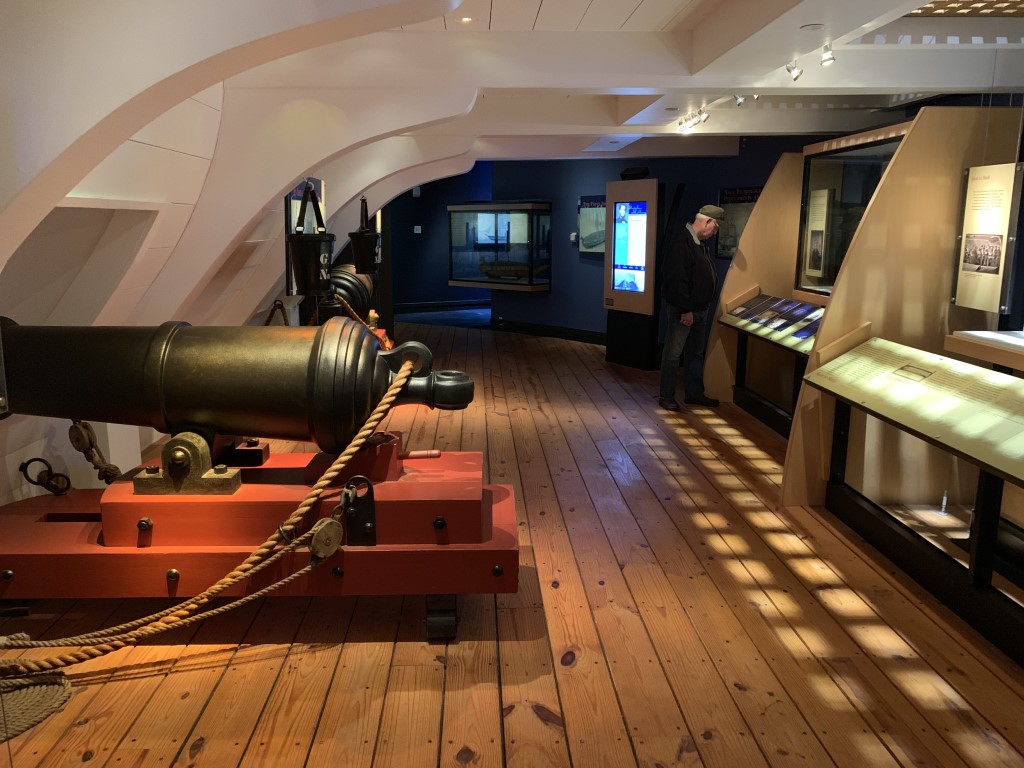
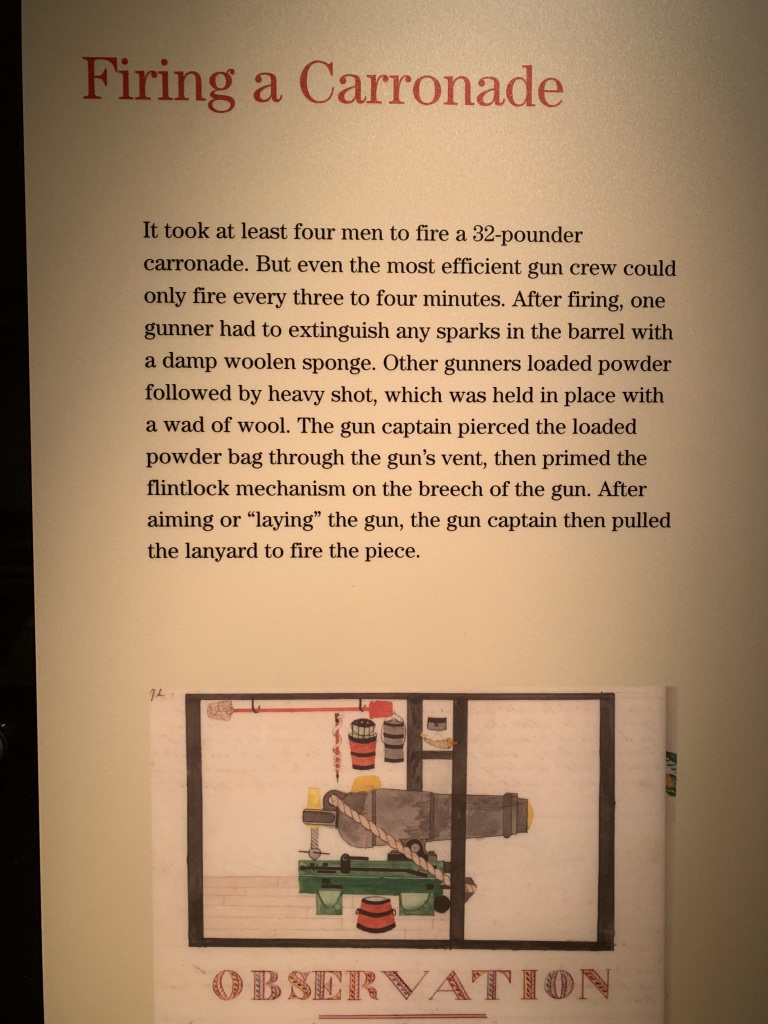
Some interesting artifacts and a glimpse into our Naval past.
I tend to read faster than the husband and am always a few exhibits ahead.
Interestingly enough most people think of the Battle of the Ironclads as the Monitor vs the Merrimack, but technically that’s incorrect.
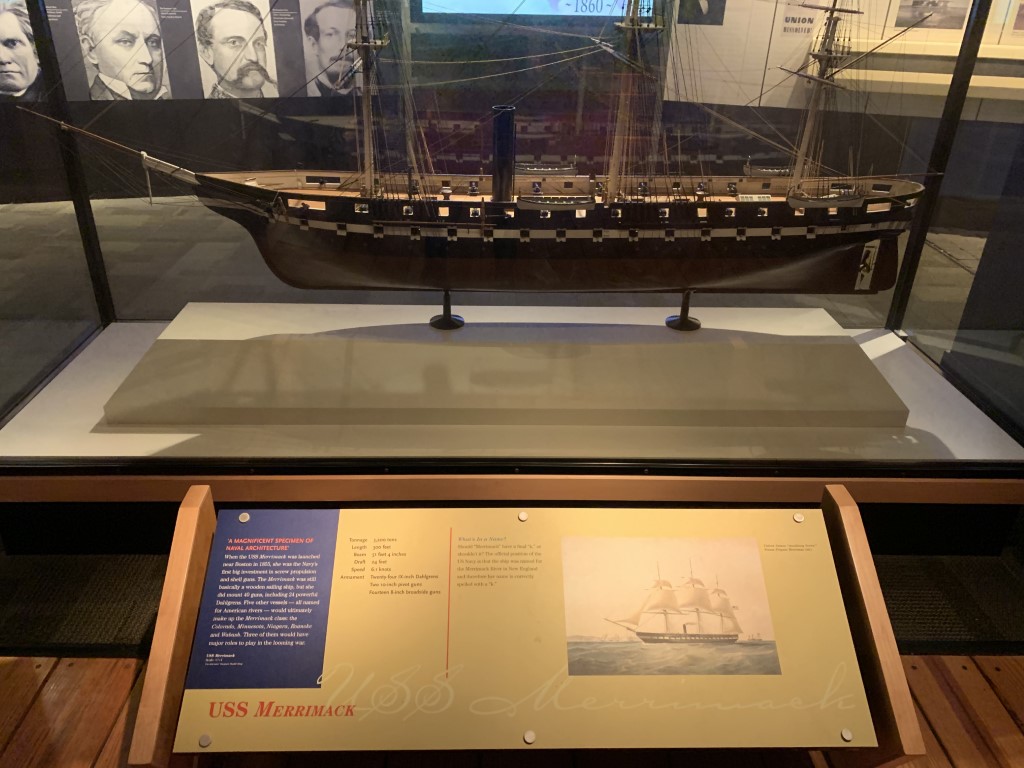
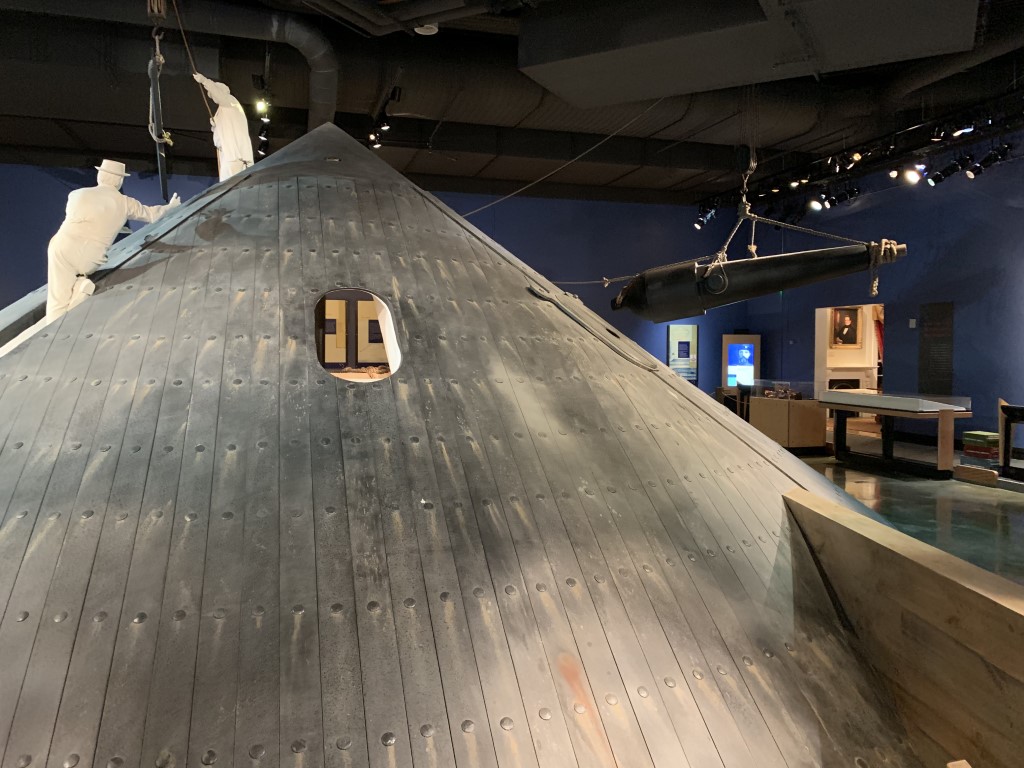
This was the Merrimack.
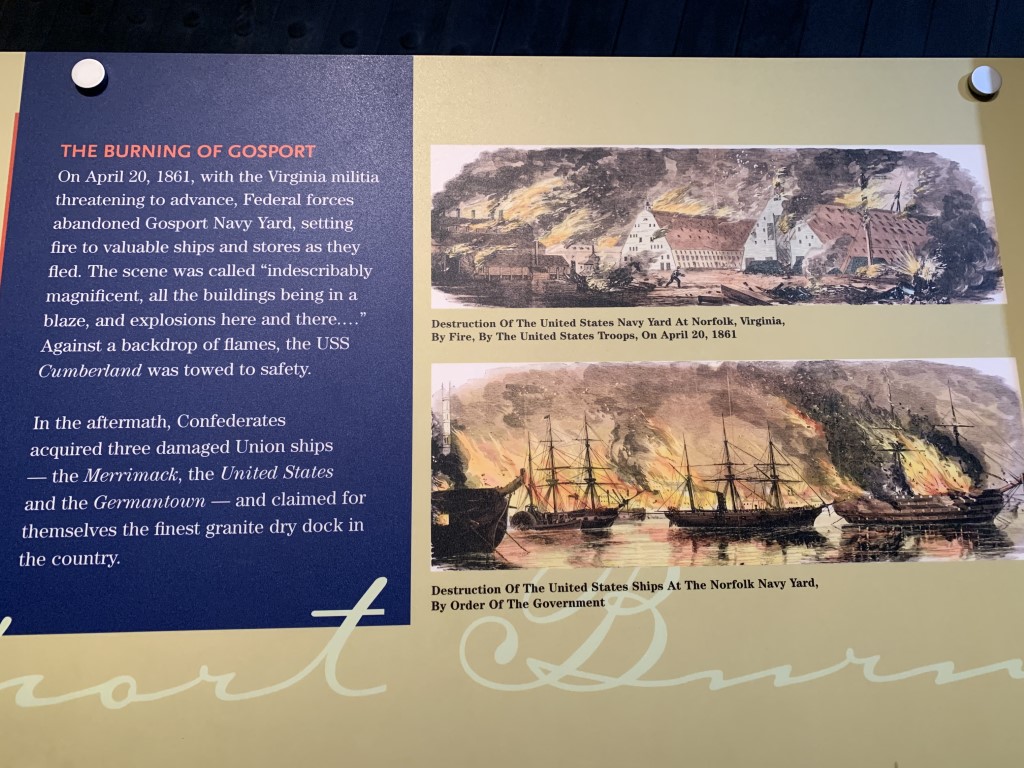
She was originally a Union ship that was captured by the Confederates when Gosport fell.
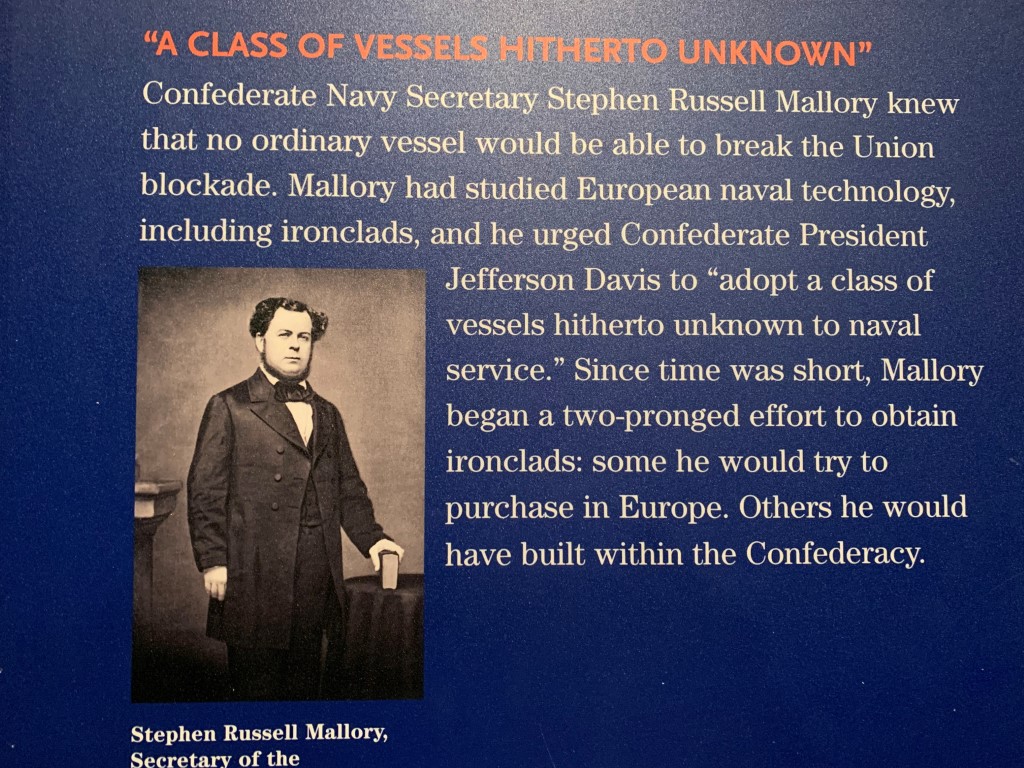
She was damaged, but thanks to this man…
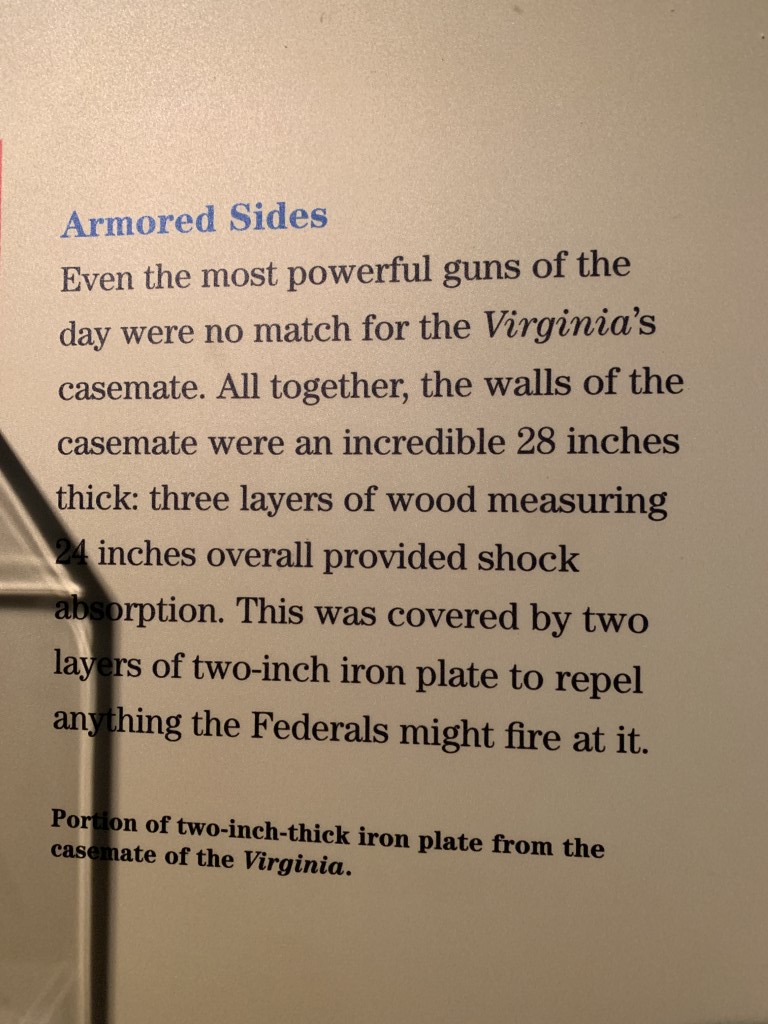
Would be overhauled, covered in iron plate and turned into the CSS Virginia.
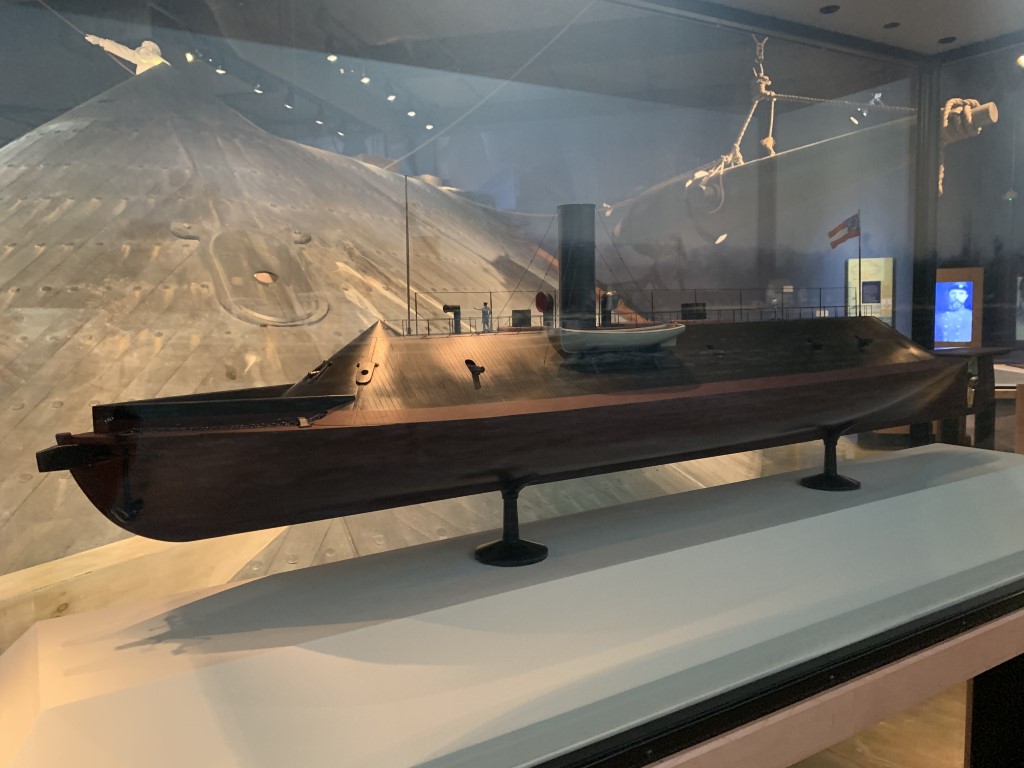
The Confederate’s Ironclad.
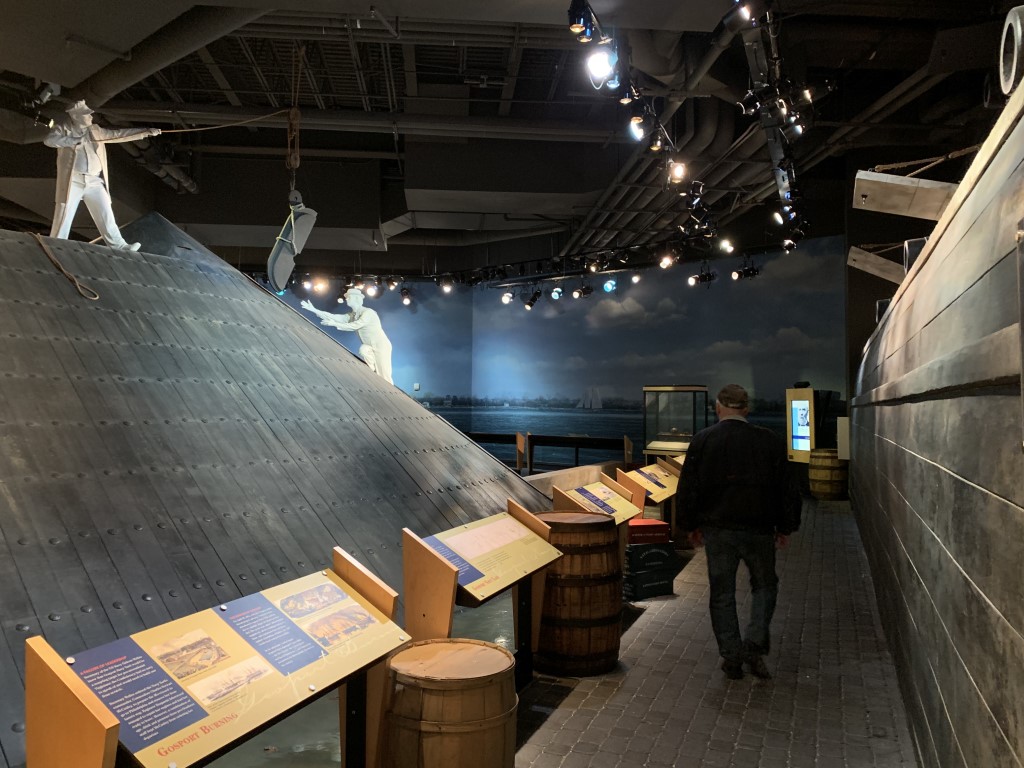
This is the museum’s recreation of her outfitting.
And what she looked like upon completion.
The Merrimack no longer.
There, you’ve learned something.
Now that wasn’t so bad… eh?
No! Not boring.
It’s history!
And how many of your friends can say they’ve seen inside a Civil War Ironclad?
None, I tell you!
None.
But now you have…
And are sure to be the envy of all your neighbors at the next block party.
Where there's only one step from the sublime to the ridiculous.












































 River's world.....