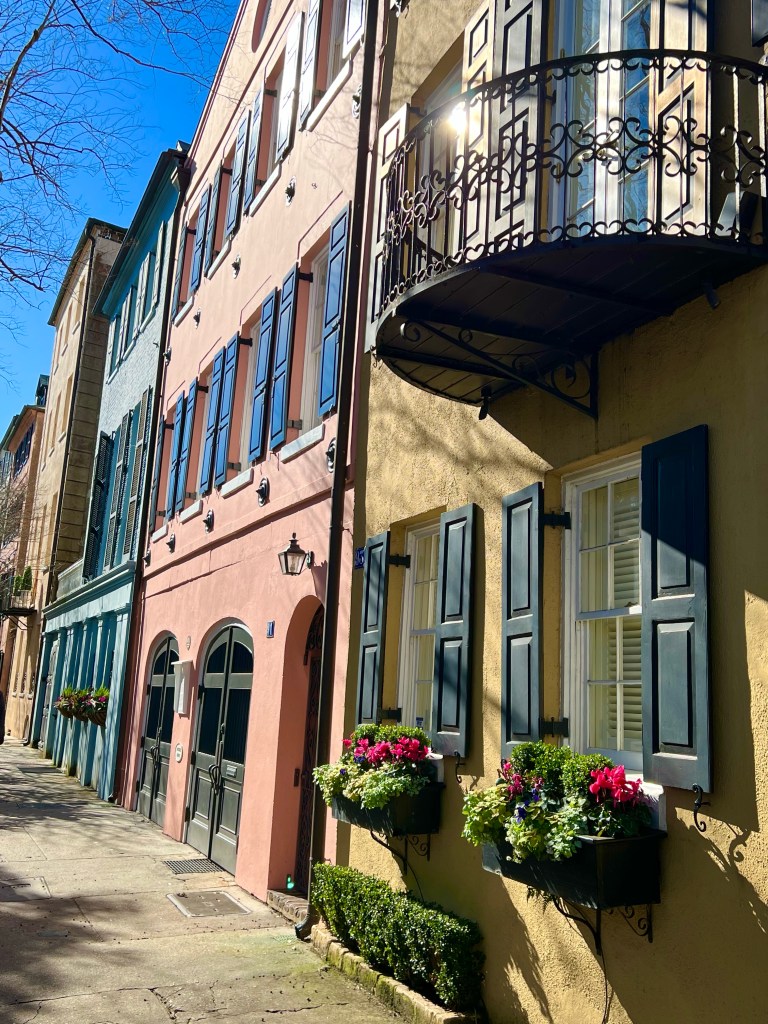
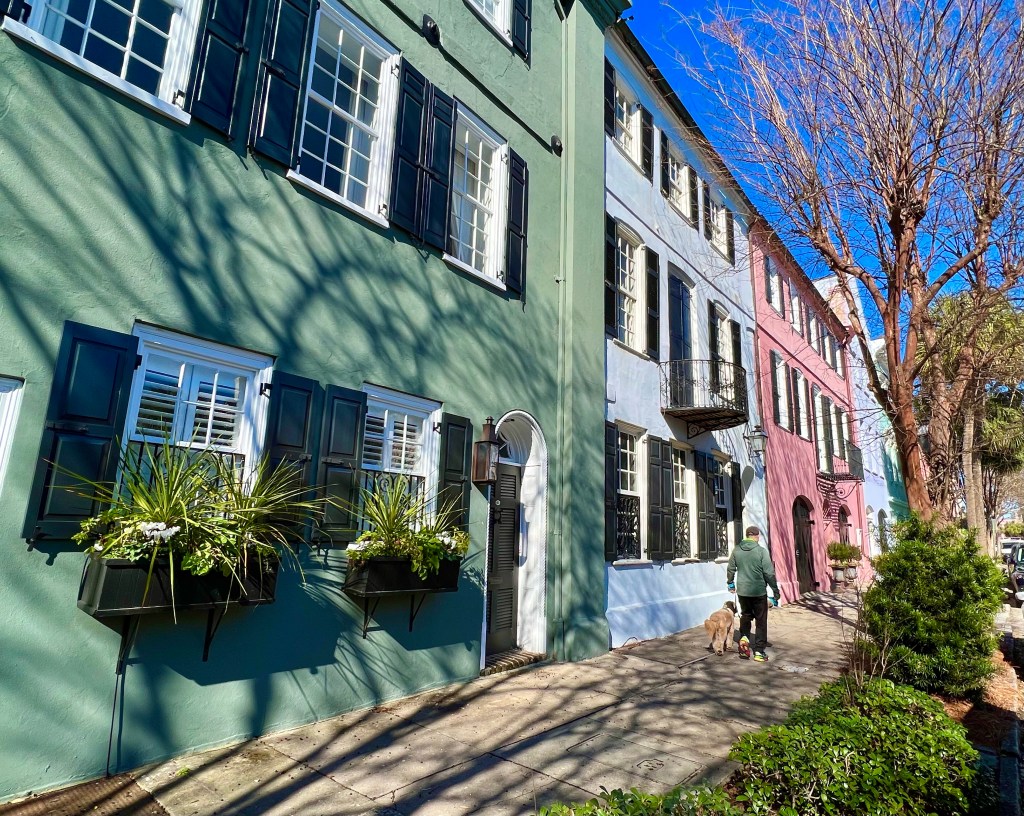
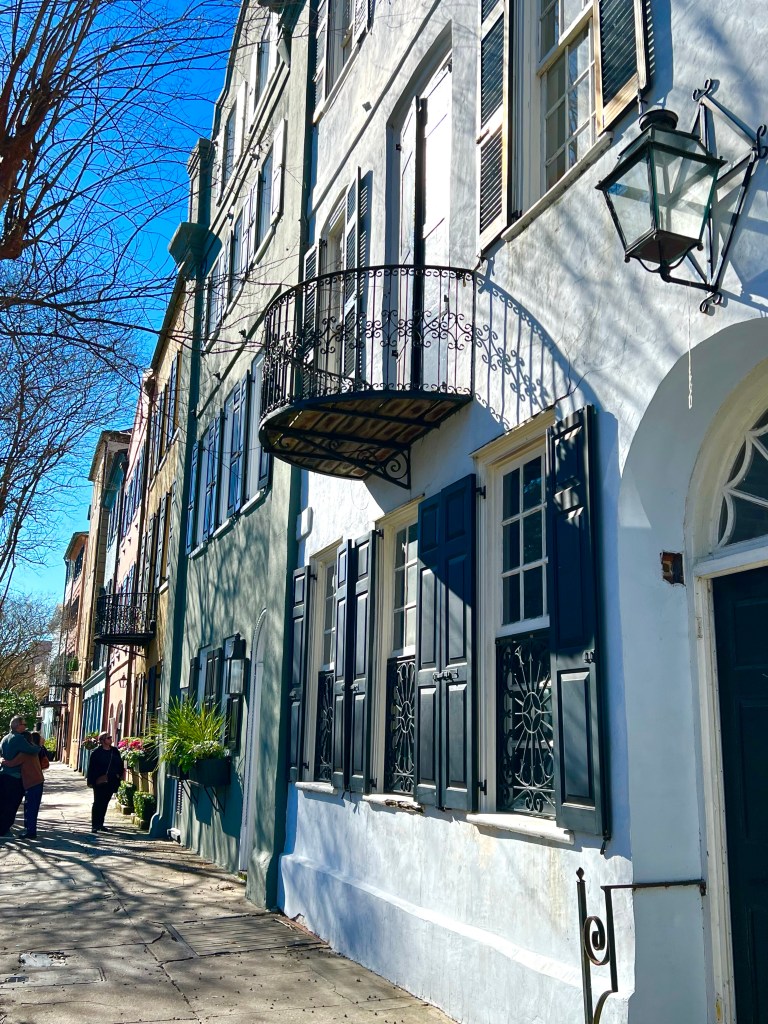
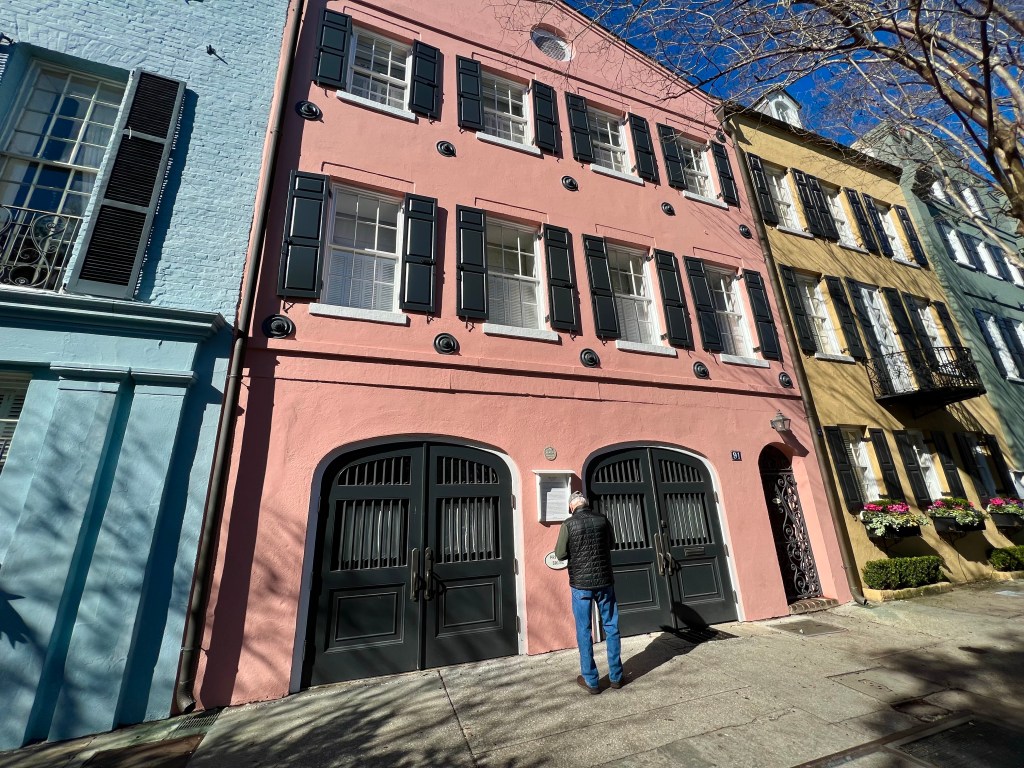
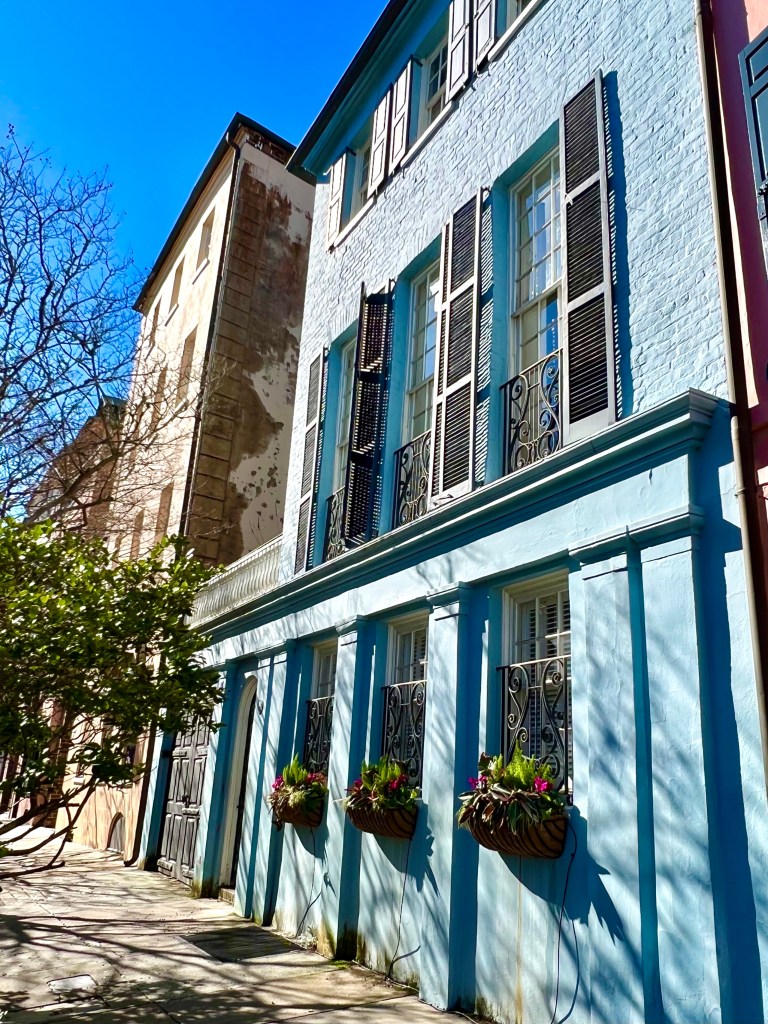
You can’t visit Charleston without strolling the French Quarter’s Rainbow Row.
.
.
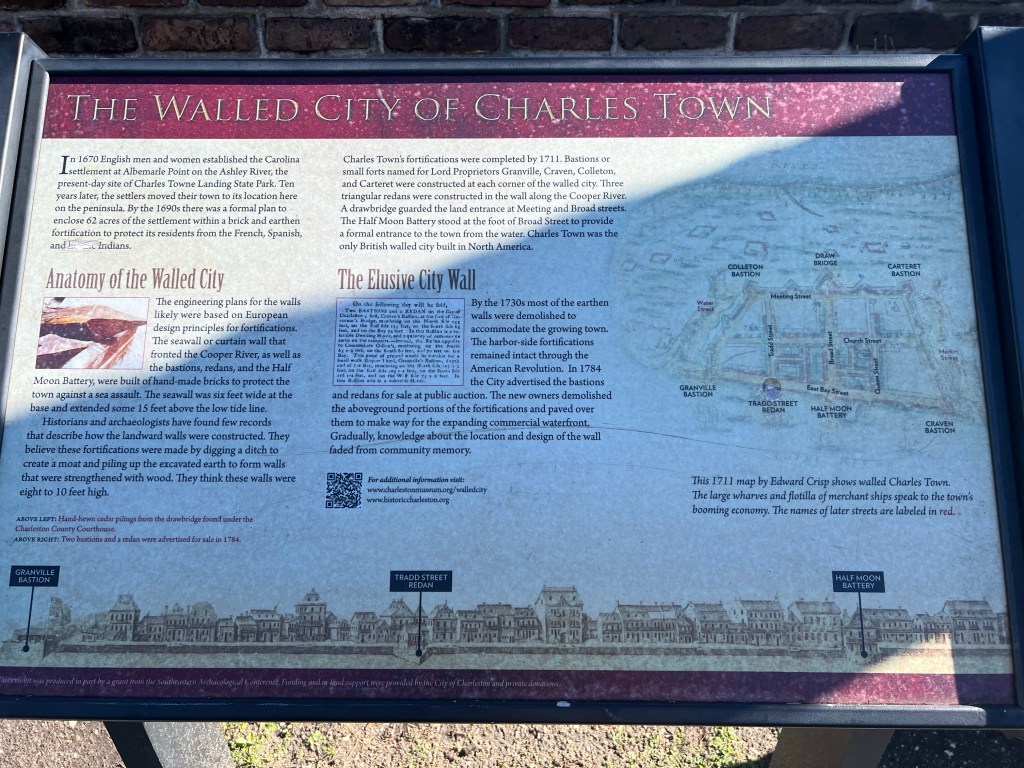
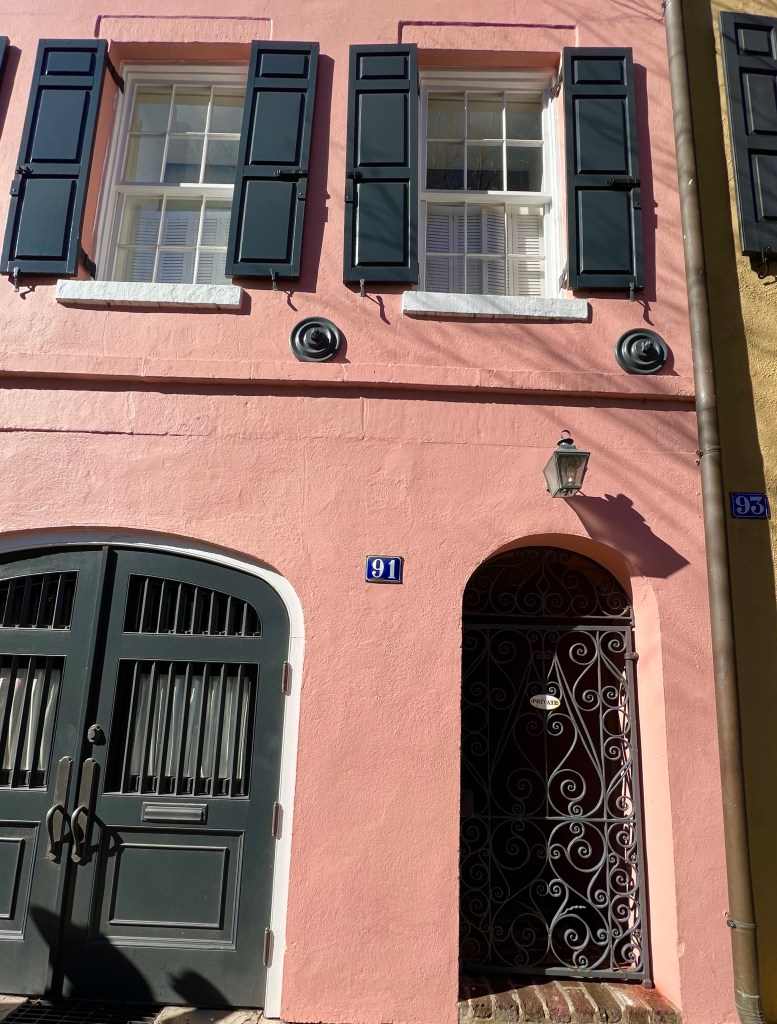
Rainbow Row represents the longest cluster of intact Georgian row houses in the United States. The earliest structures on this portion of East Bay Street, between Tradd and Elliott Street, were built by-1680. The buildings were constructed on lots 7 to 10 of the Grand Modell, a city plan developed between 1670-1680. Over the years, the buildings served as the shops and residences of notable merchants and planters, and fronted a cluster of wharves on the Cooper River waterfront. The buildings also fronted a segment of the eastern boundary of the fortification wall constructed circa 1704 to surround the city. Some of the houses were damaged or destroyed by fire, and the present structures date from circa 1720 to circa 1790. The homes suffered slight damage by Union artillery bombardment during the War between the States. After the war and decades of neglect, the buildings deteriorated into slums. Susan Pringle Frost, founder of the Society for the Preservation of Old Dwellings, now the Preservation Society of Charleston, began her important preservation and rehabilitation efforts by purchasing some of these properties in the 1920s in order to prevent their demolition. The name Rainbow Row was coined after the pastel colors they were painted as they were restored in the 1930s and 1940s. The rear facades and gardens of 93-101 East Bay were also used as a model for the original 1935 stage setting of George Gershwin and DuBose Heyward’s opera, Porgy and Bess. .
.
In a word? Fabulous.
.
.
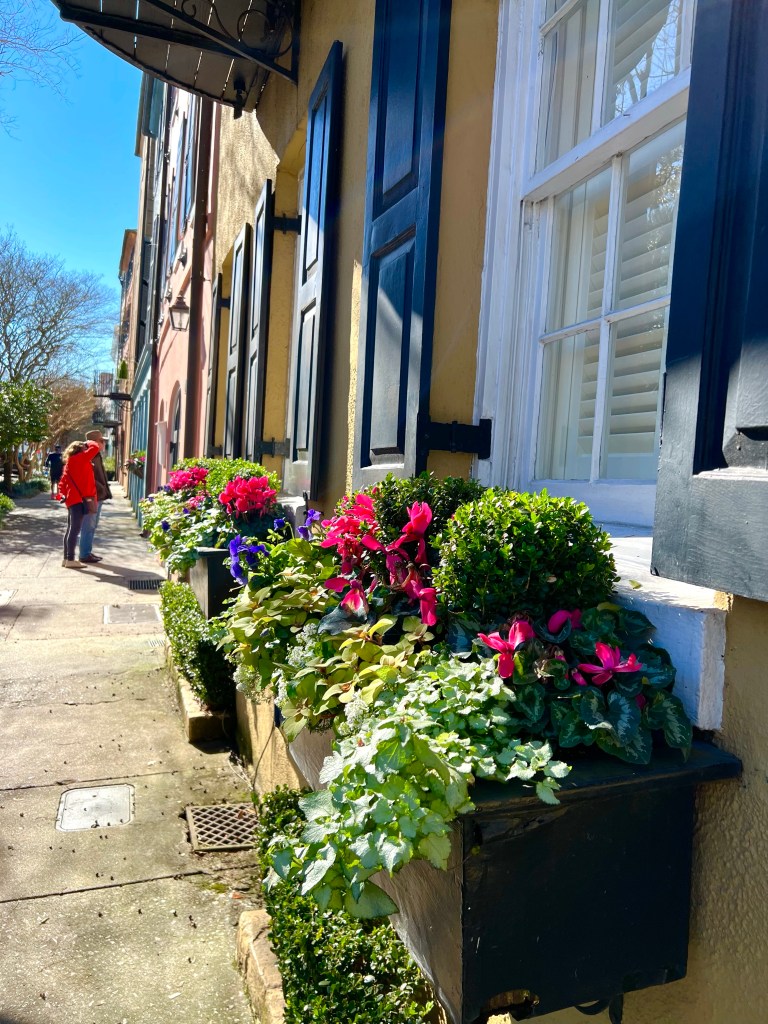
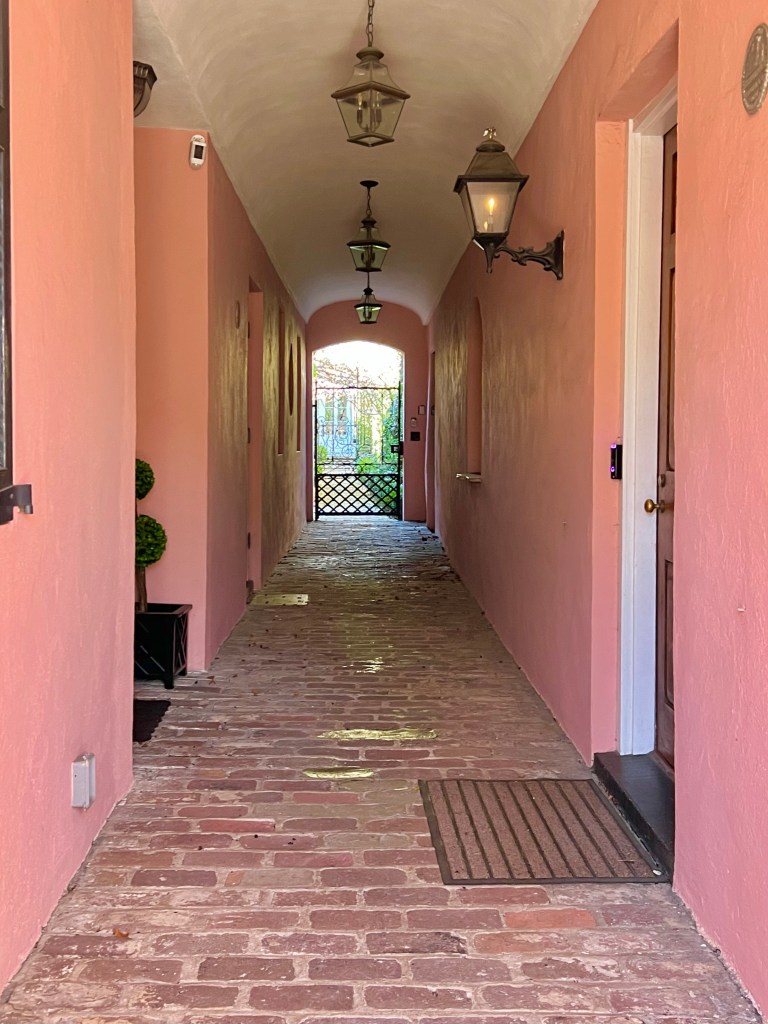
The colors, the wrought iron, the charm…
.
.
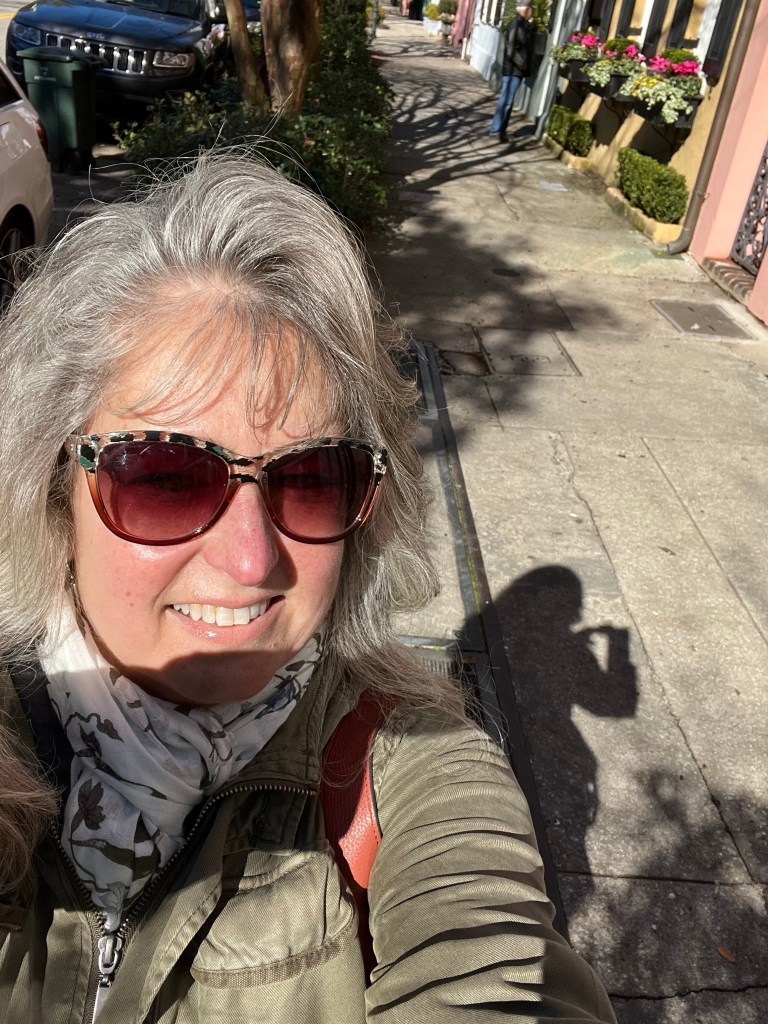
It’s selfie heaven even if your arms are too short to capture much background.
.
.
Space is at a premium but all the homeowners take pride of place.
.
.
History?
It’s got that too.
.
.
It’s hard to imagine this lovely neighborhood ever being a slum.
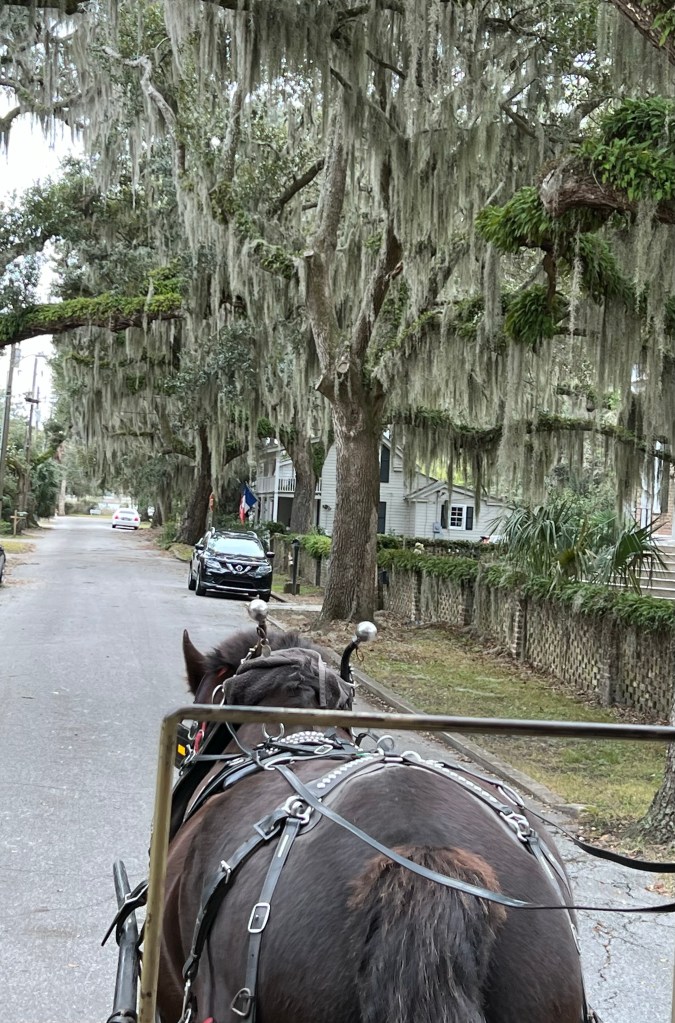
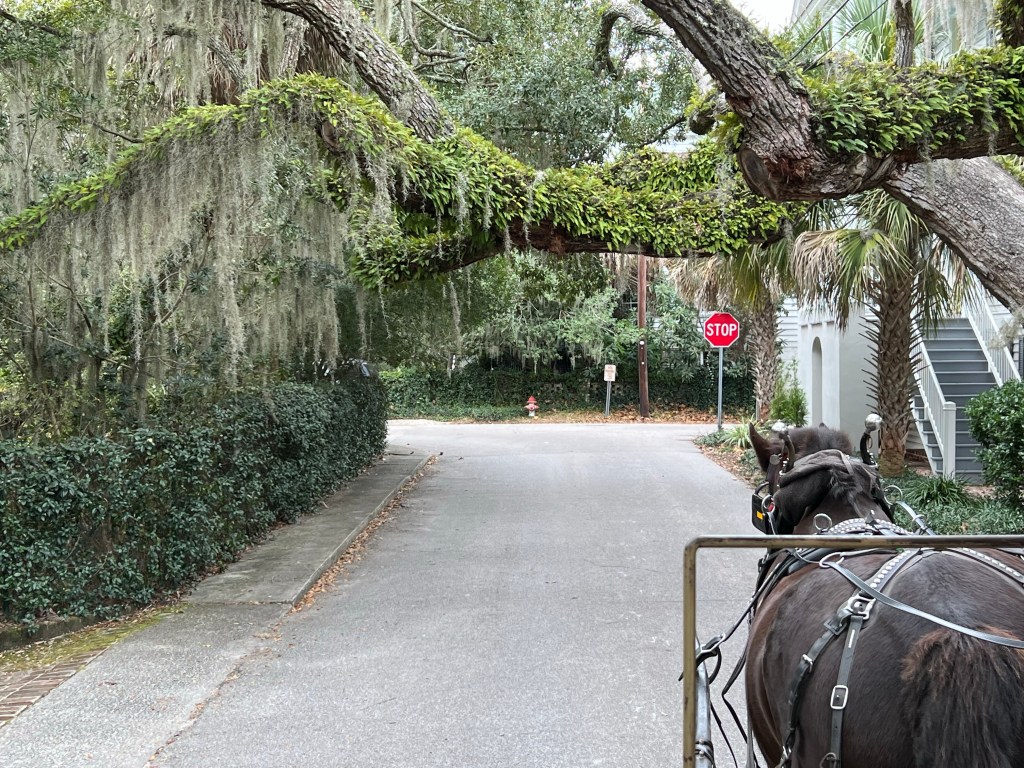
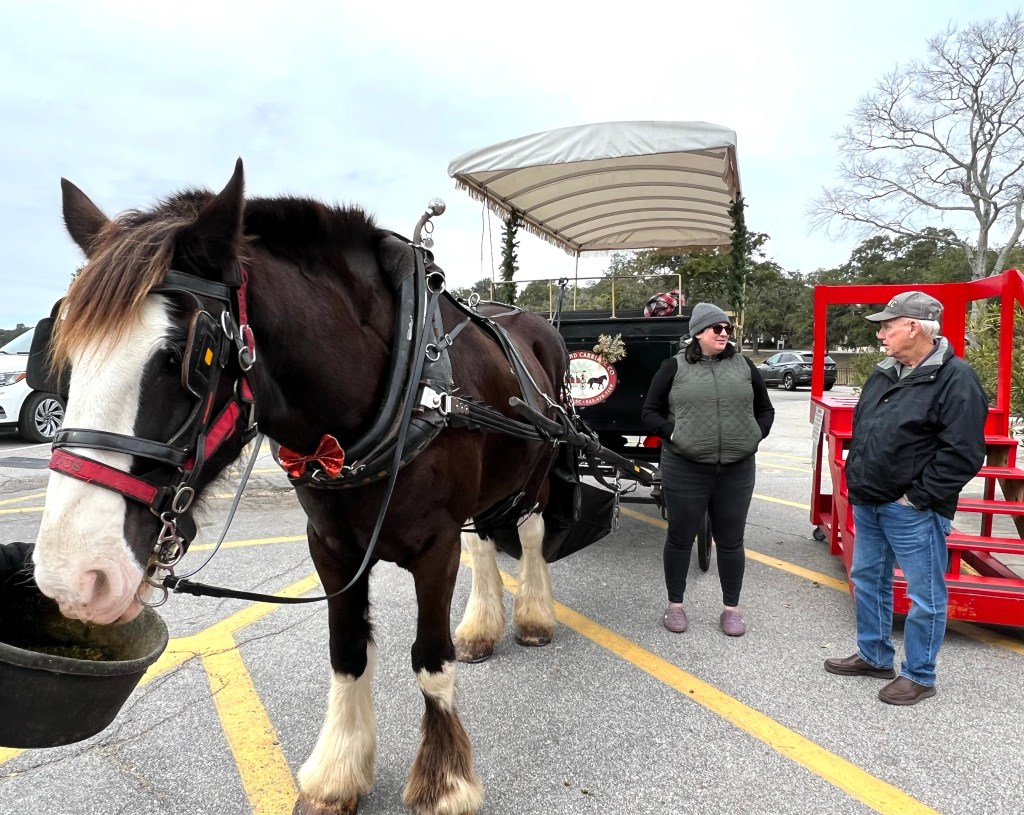
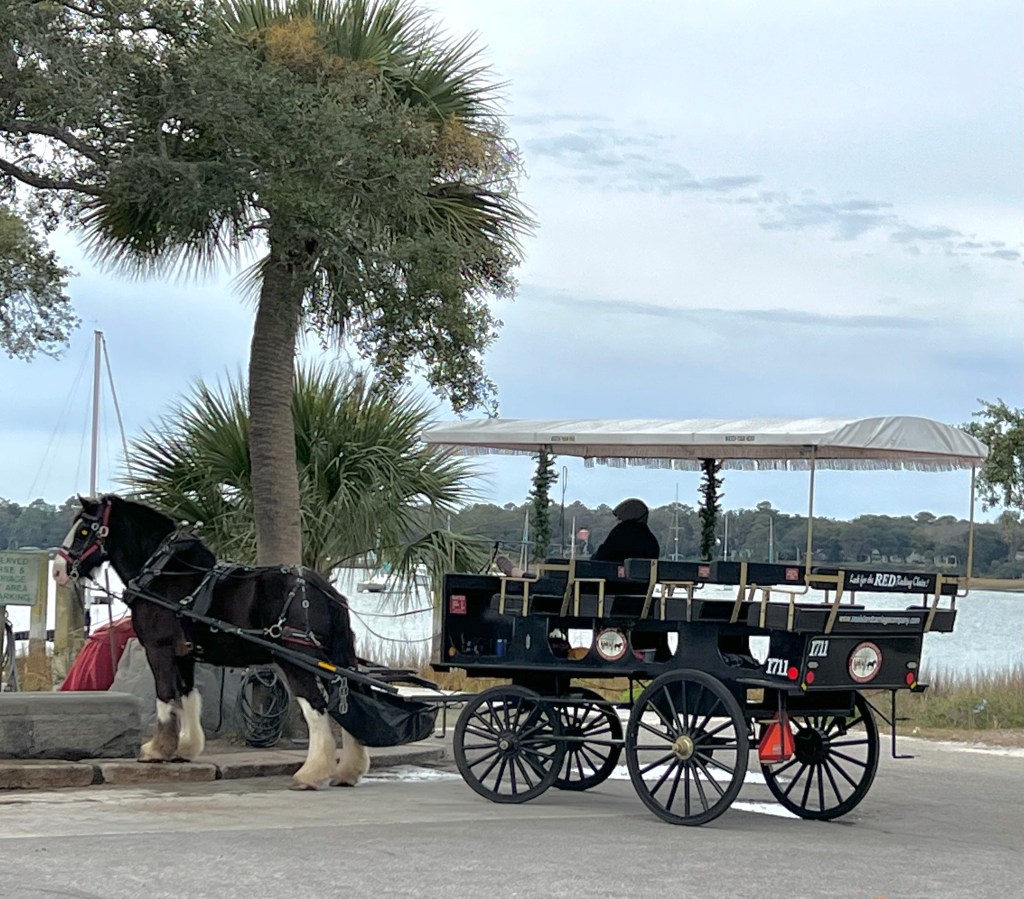
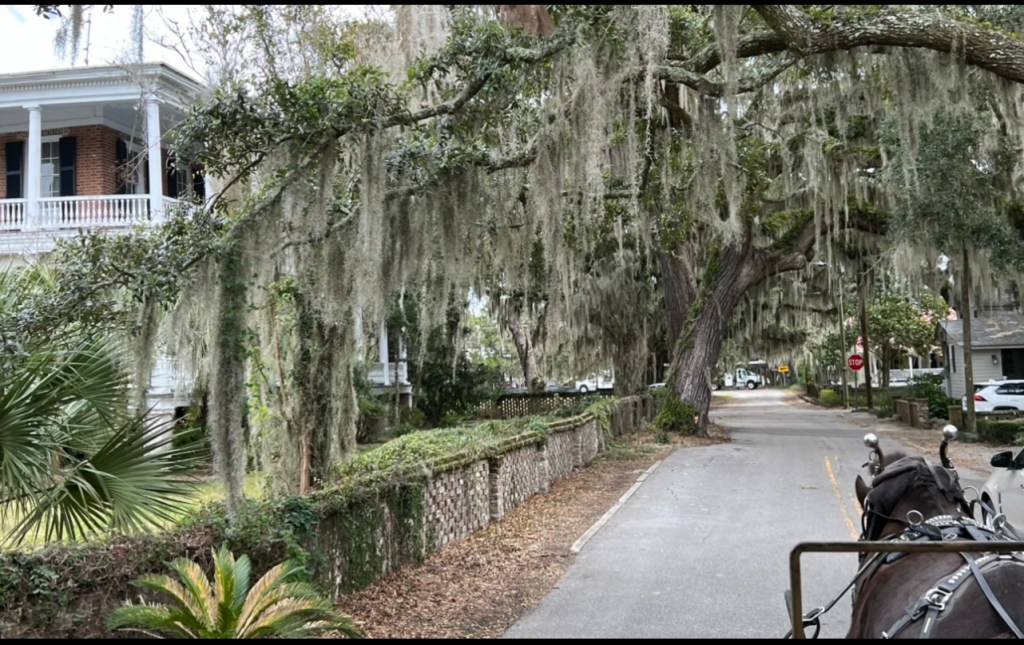
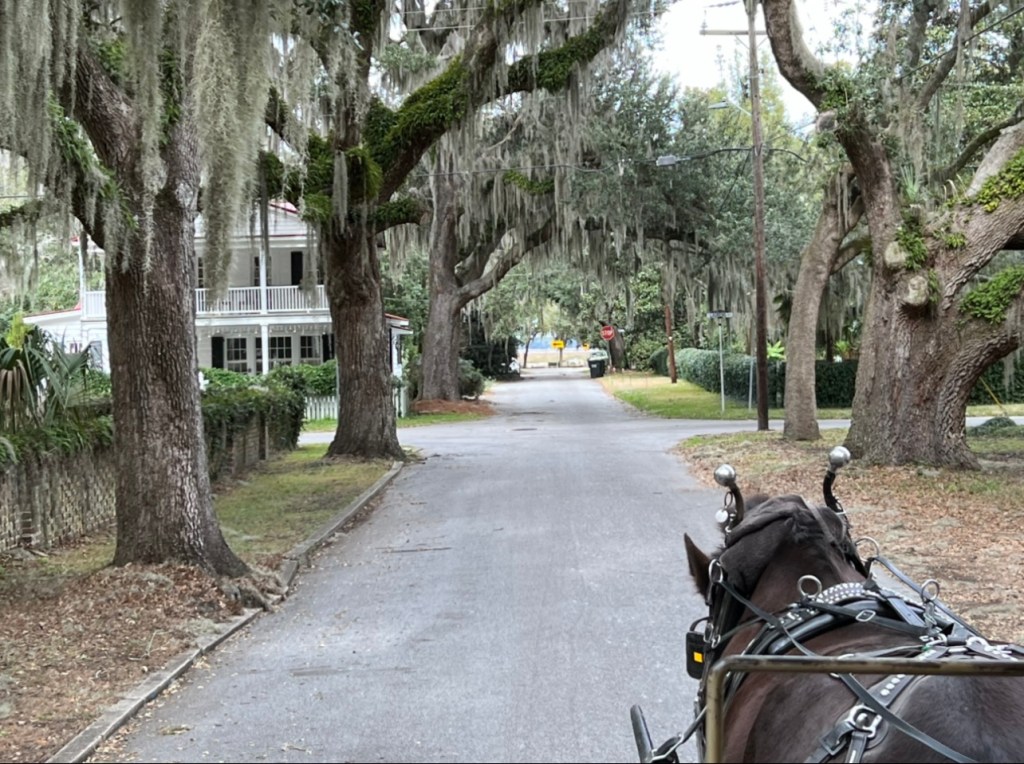
The Angus drawn carriage tour of Beaufort continued…
.
.
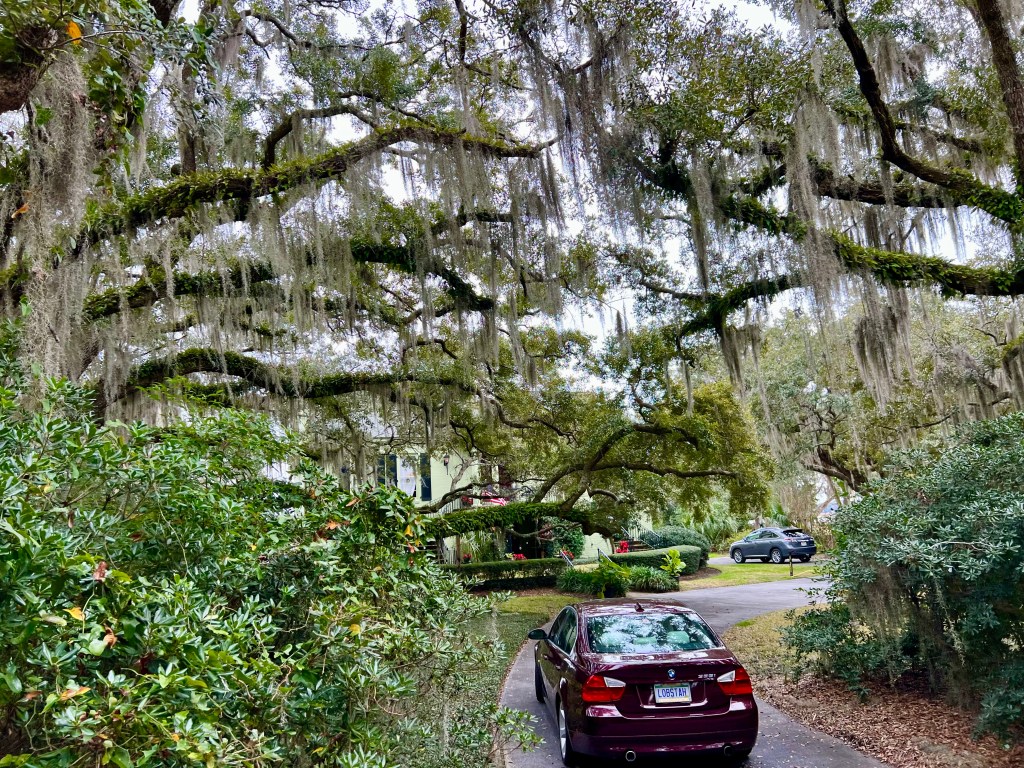
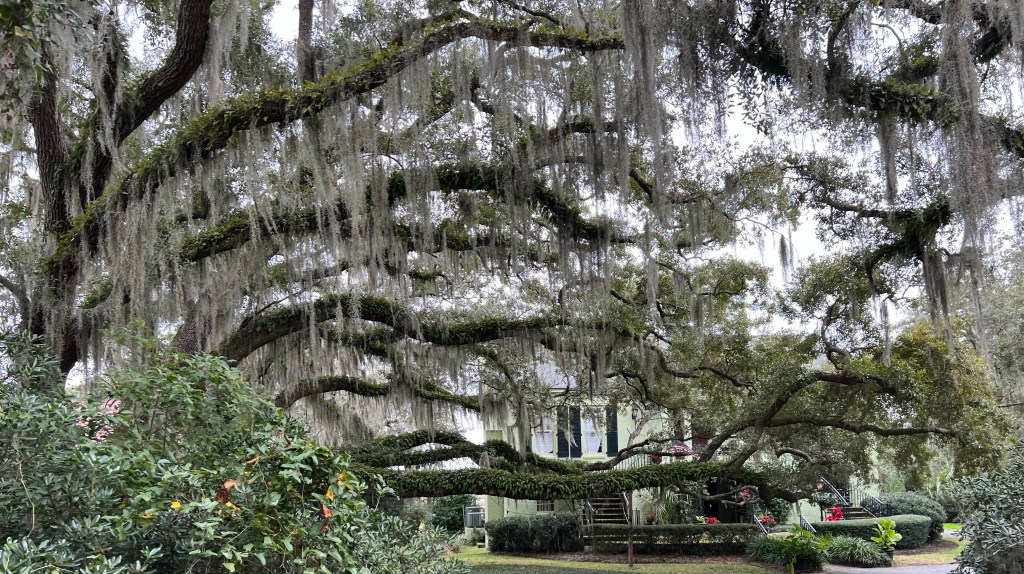
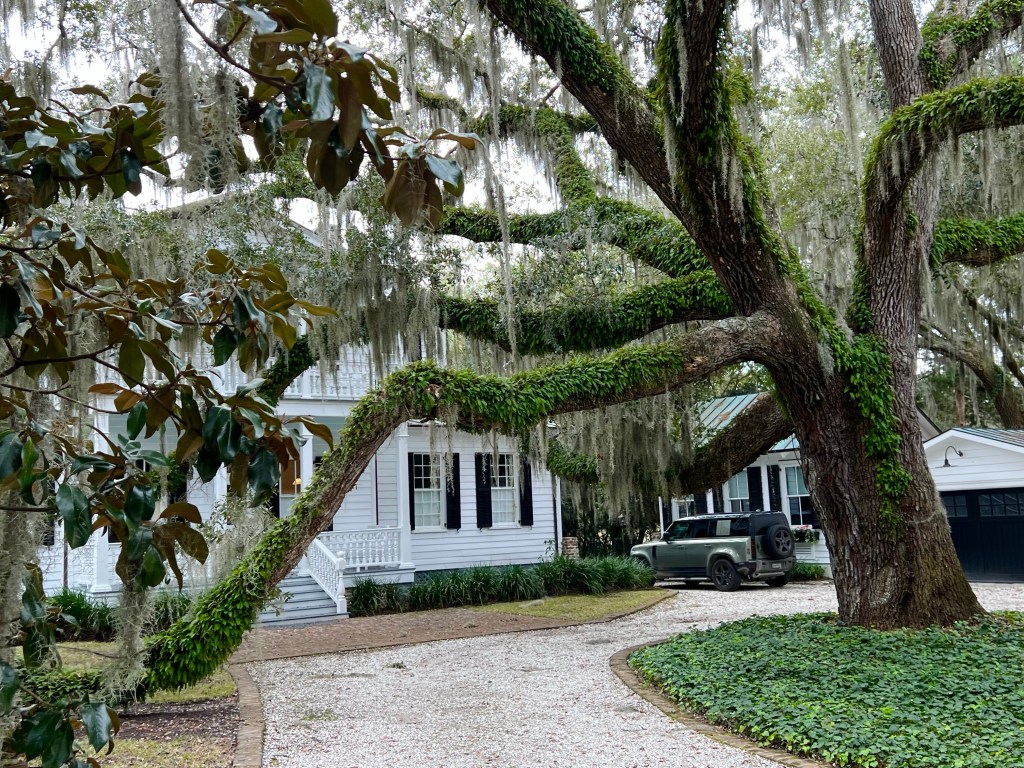
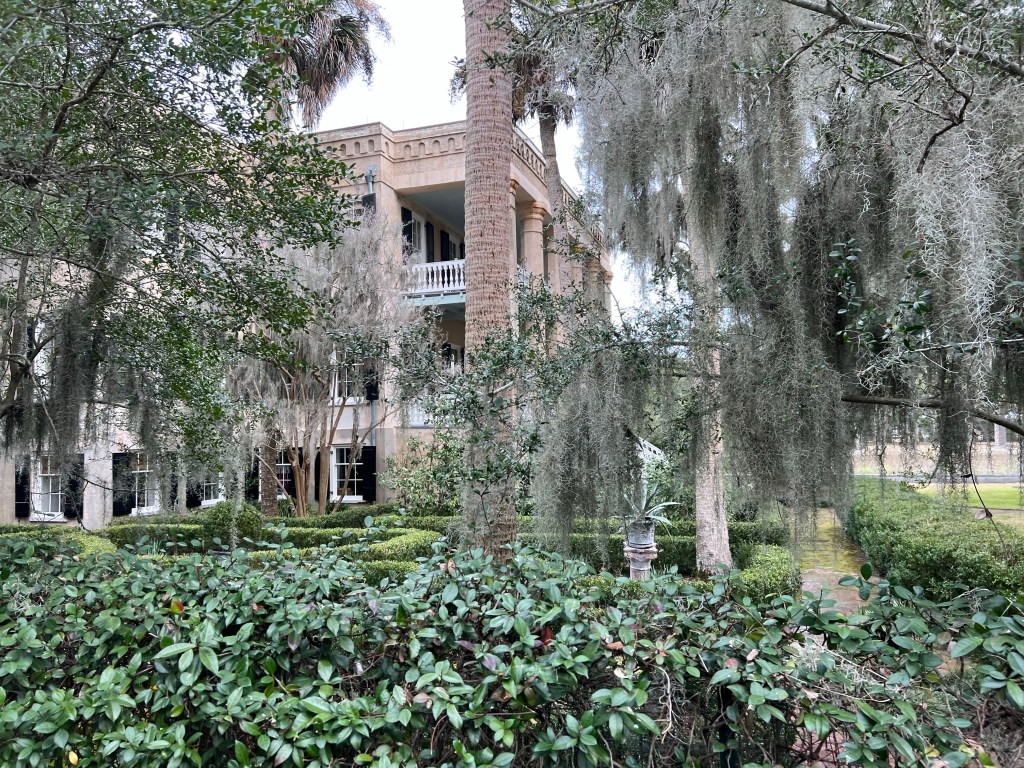
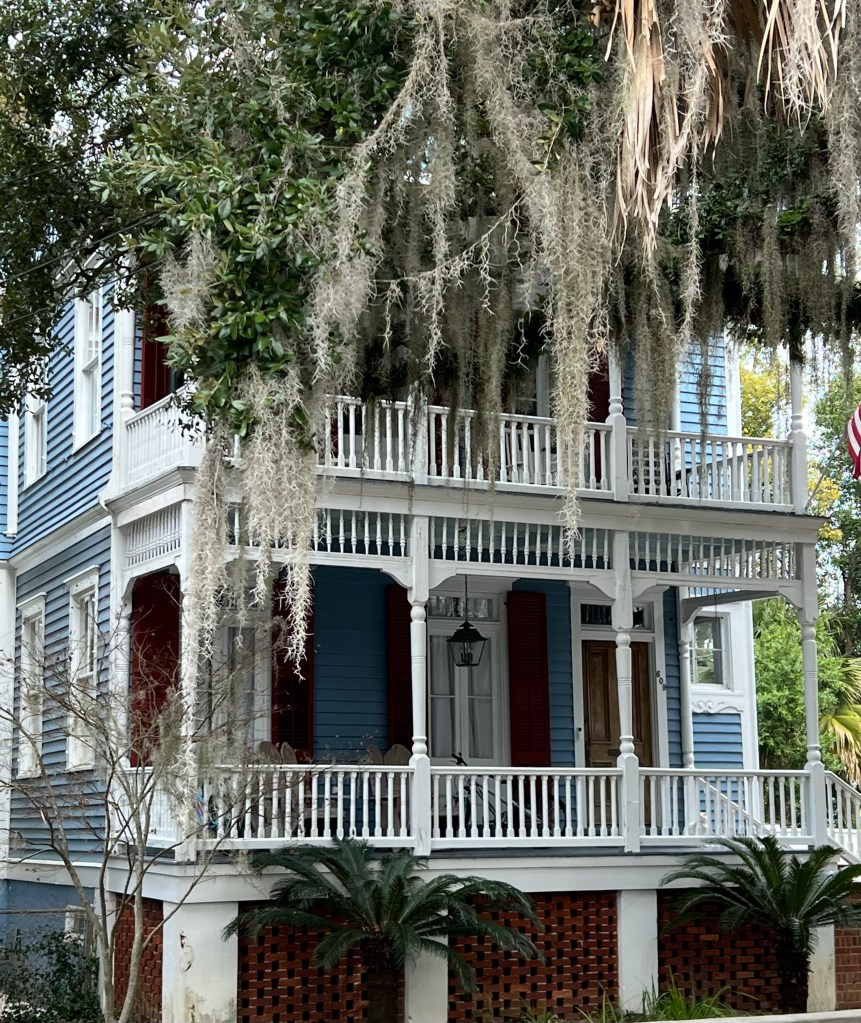
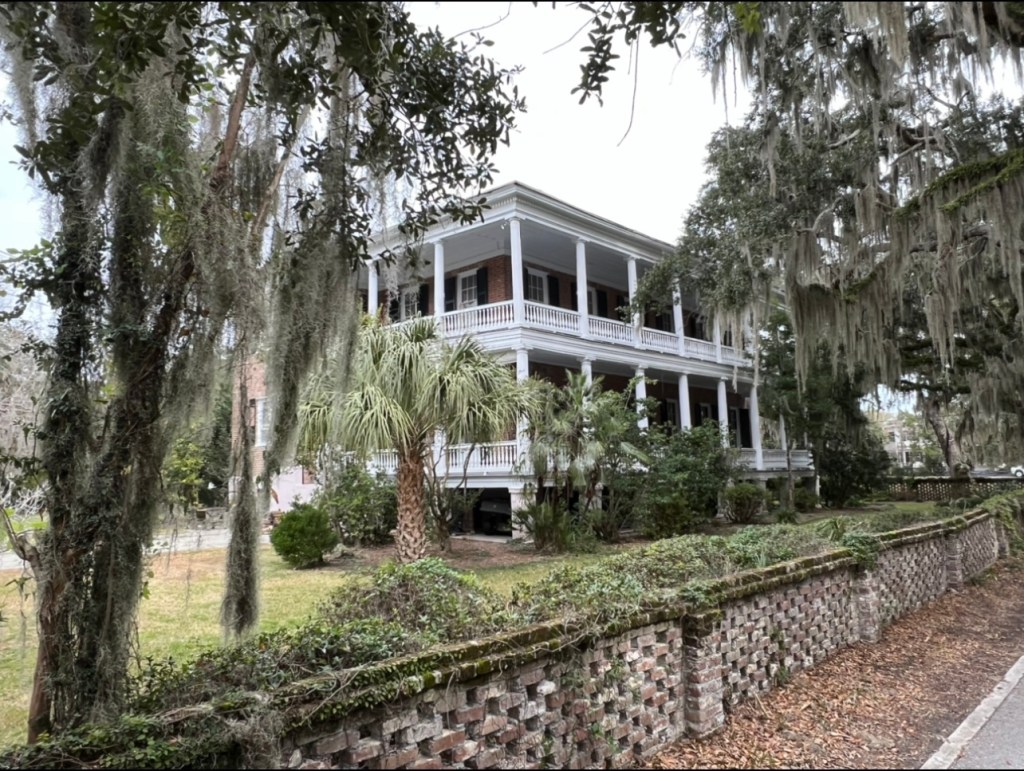
Past Spanish moss and charming antebellum homes.
.
.
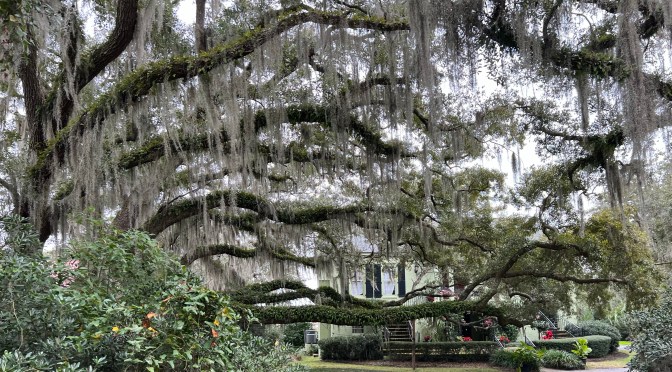
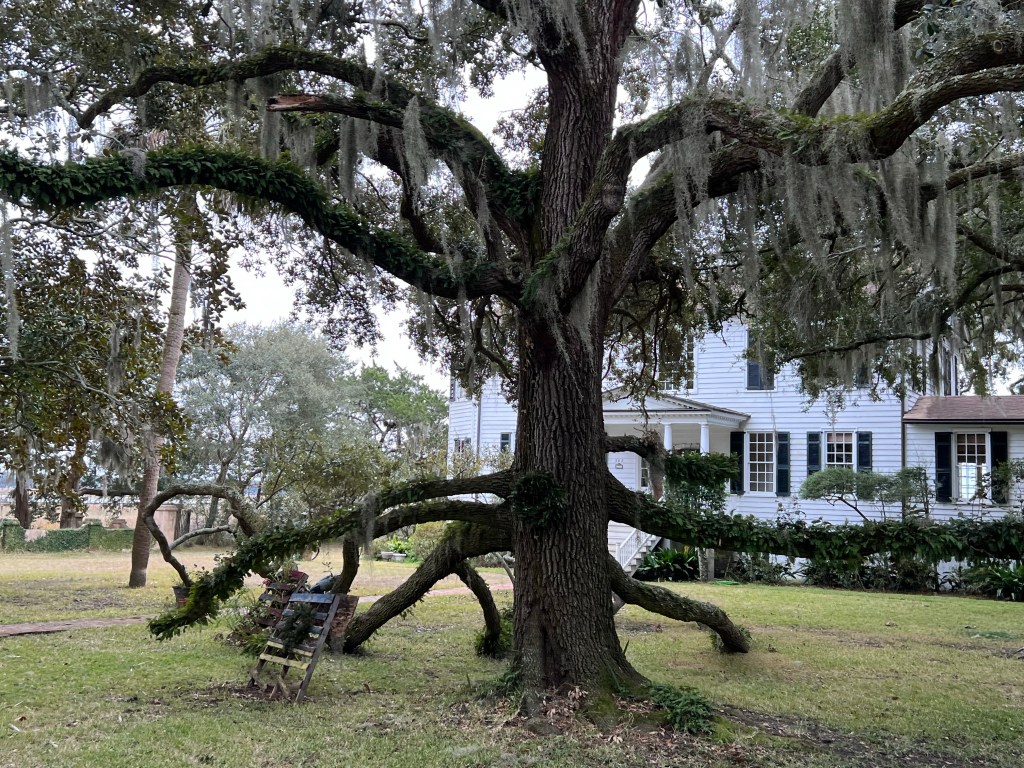
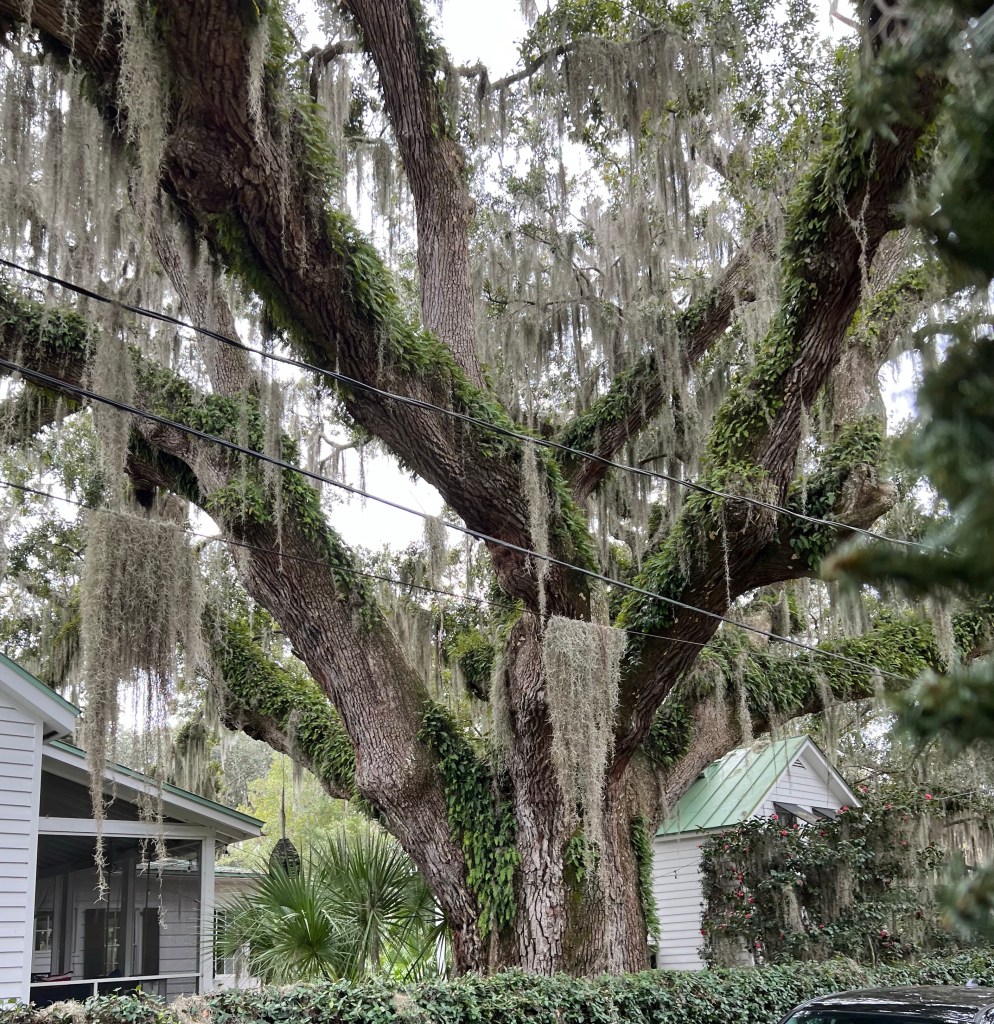
You might recognize this tree if you’re a movie buff.
.
.
It’s the live oak Robert Duvall sat under during The Great Santini. They filmed it in Beaufort as the author Pat Conroy is a native son.
.
.
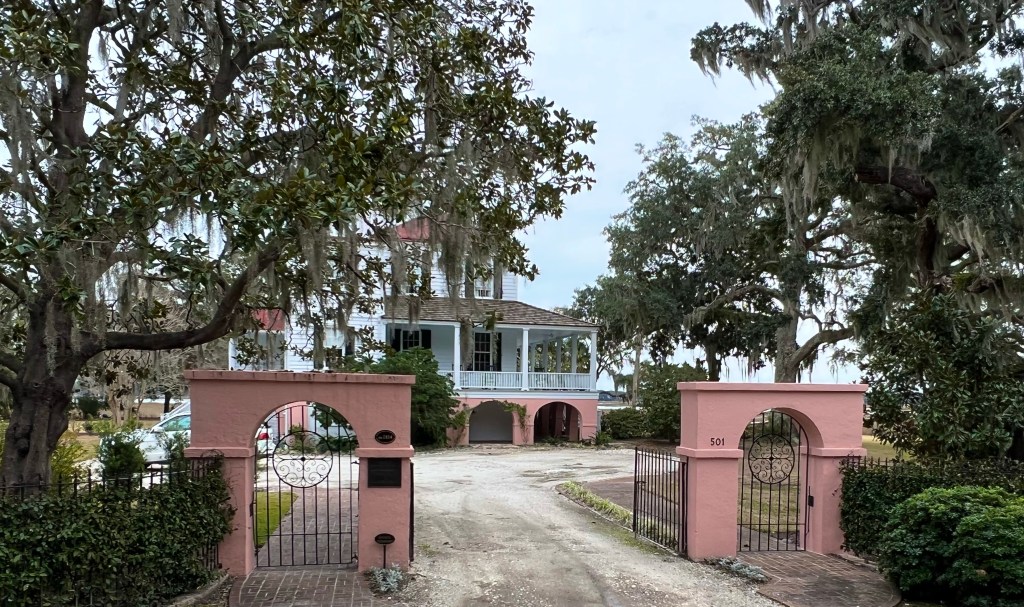
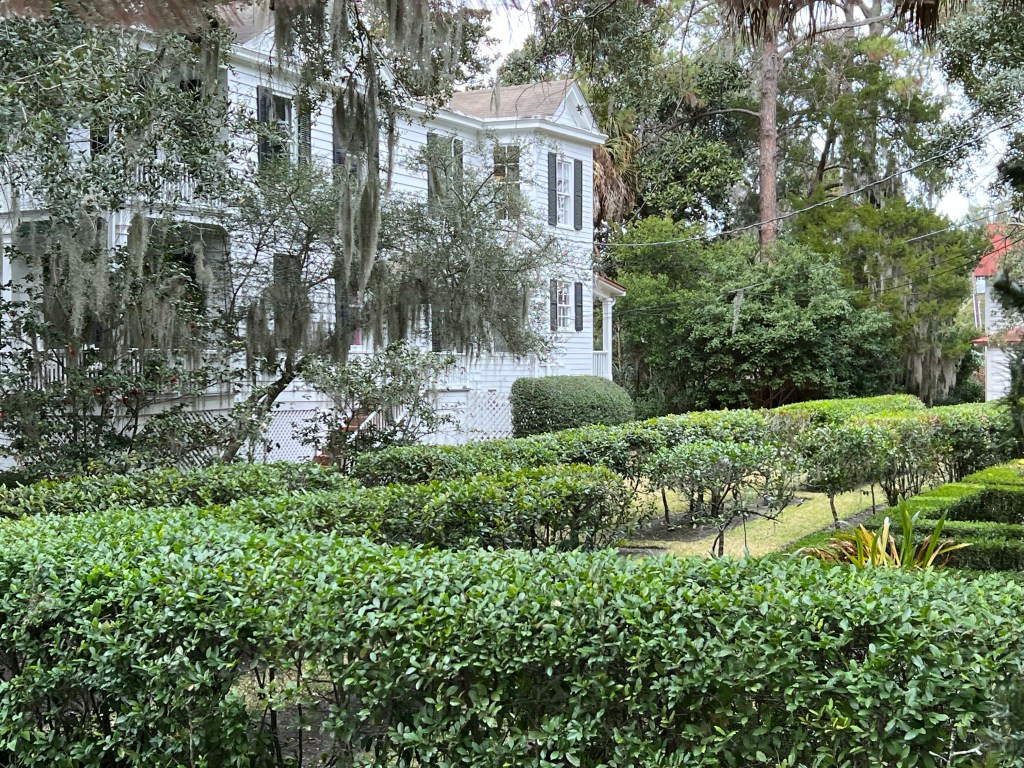
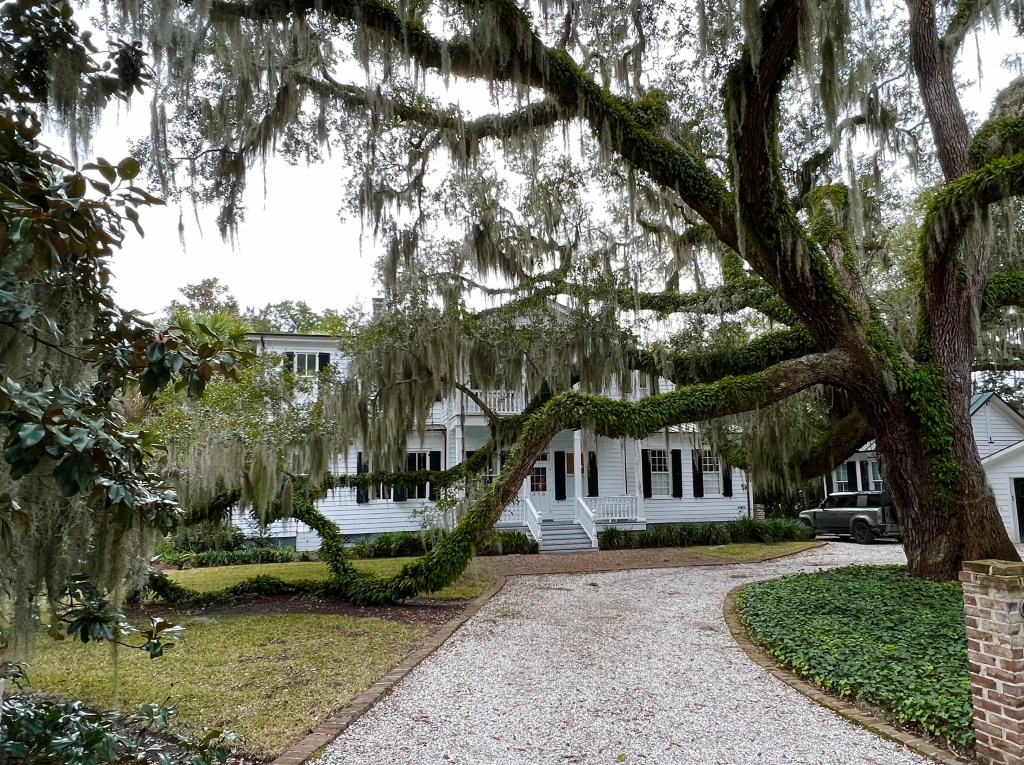
Beautiful homes, beautiful gardens…
.
.
And some of the most amazing Angel Oaks I’ve ever seen.
.
.
The Angel is the variety of live oak that droops it’s branches to the ground….
.
.
And in Beaufort?
.
.
The town is so enamored of their spreading glory it’s illegal to cut one down or even trim.
.
.
Thank you Beaufort.
.
.
I wholeheartedly agree.
.
.
Our guided tour was a little over an hour of immersive history and I loved every cold, wrapped in a blanket, minute of it.
.
.
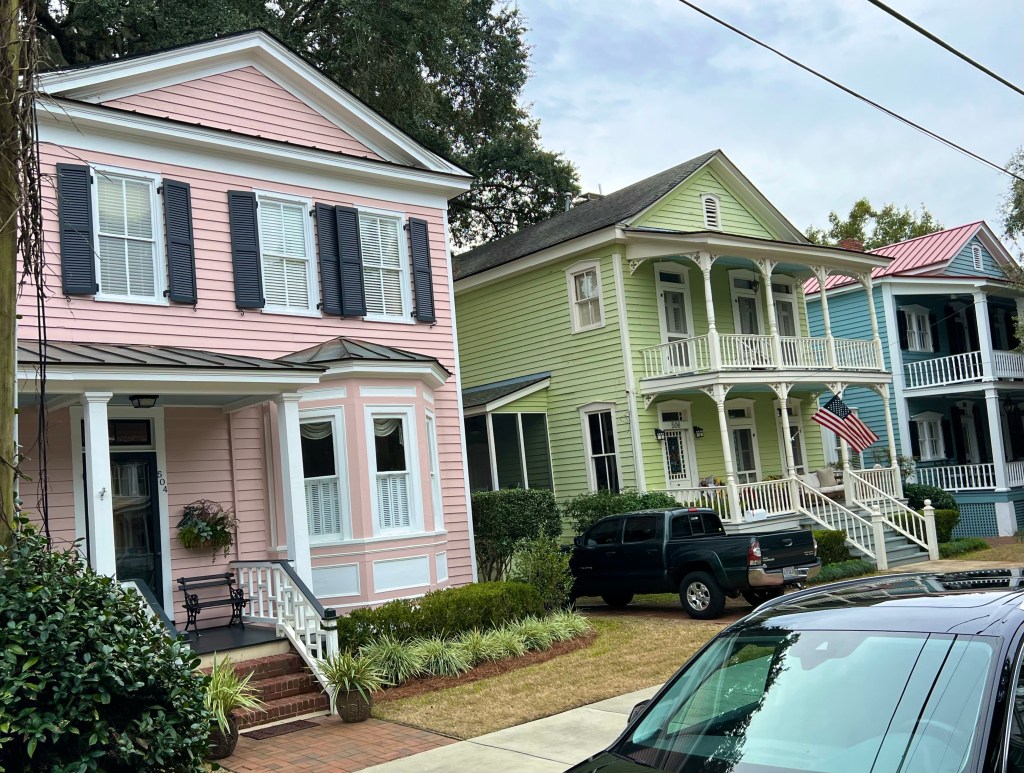
There’s a strict building code near The Point that says new construction must blend with the old. I’m not sure lime green was a popular Civil War era color, but they’re charming all the same.
.
.
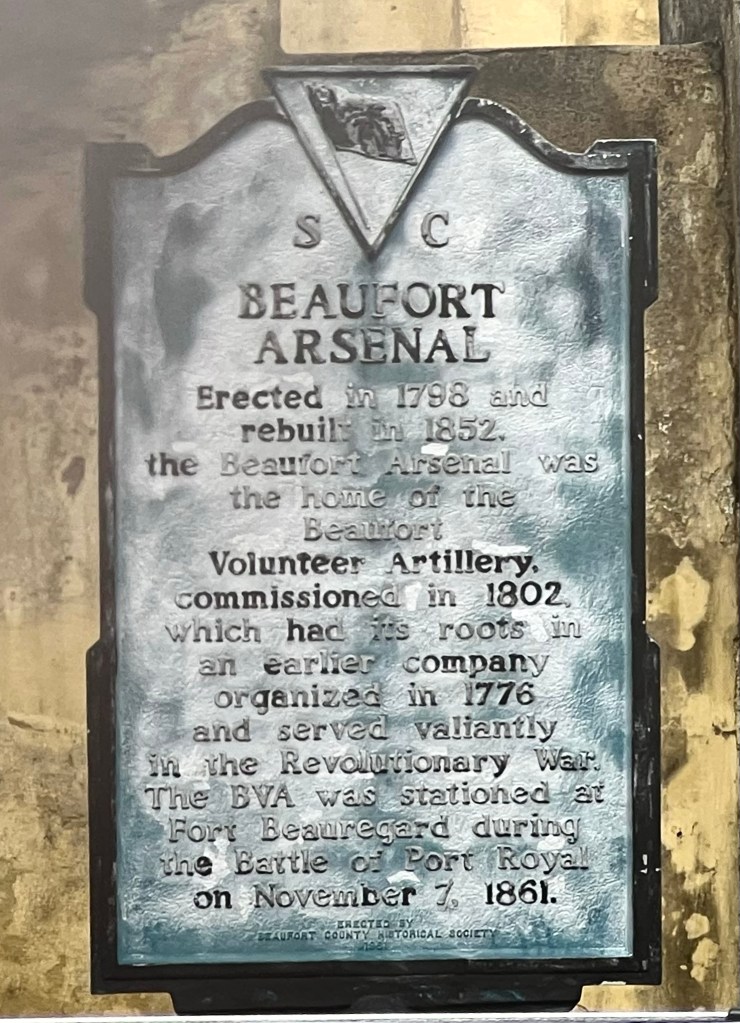
I wish we’d had time to explore this museum.
.
.
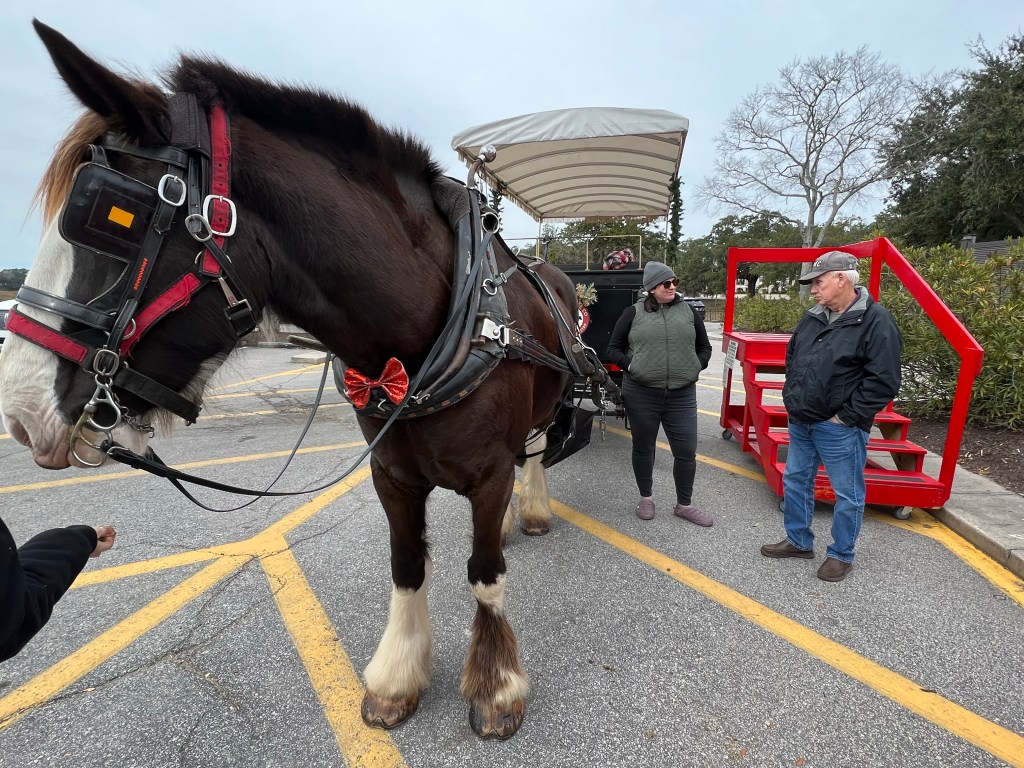
But when we disembarked the carriage a certain someone had to strike up a conversation with the guide.
.
.
Hint- it wasn’t me.
.
.
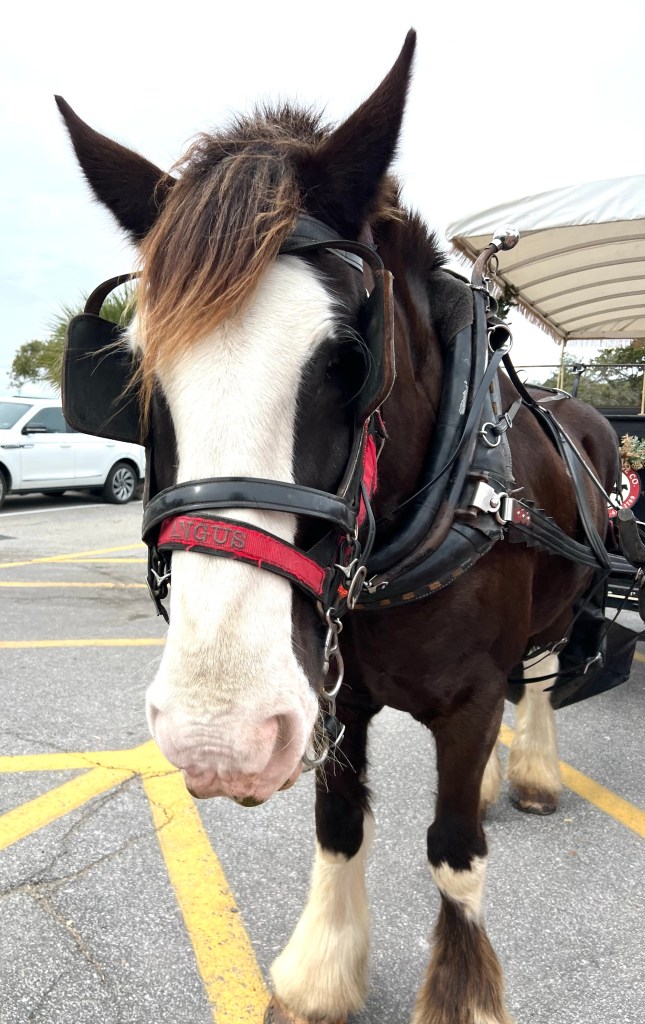
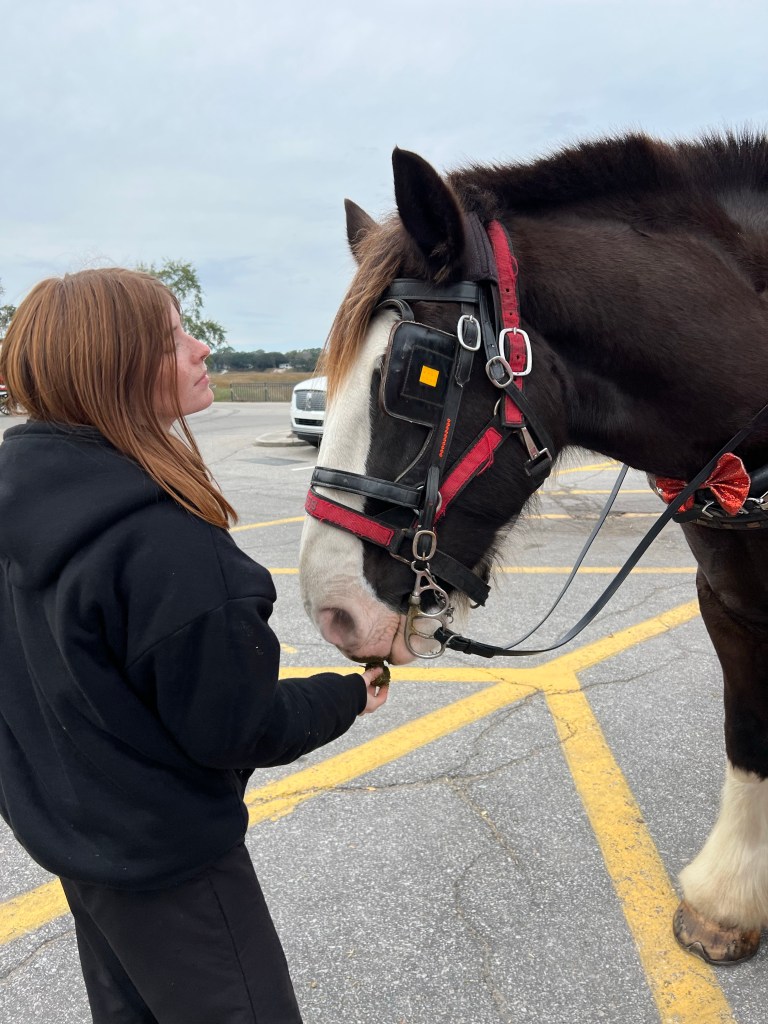
Though I did enjoy a little quality time with Angus.
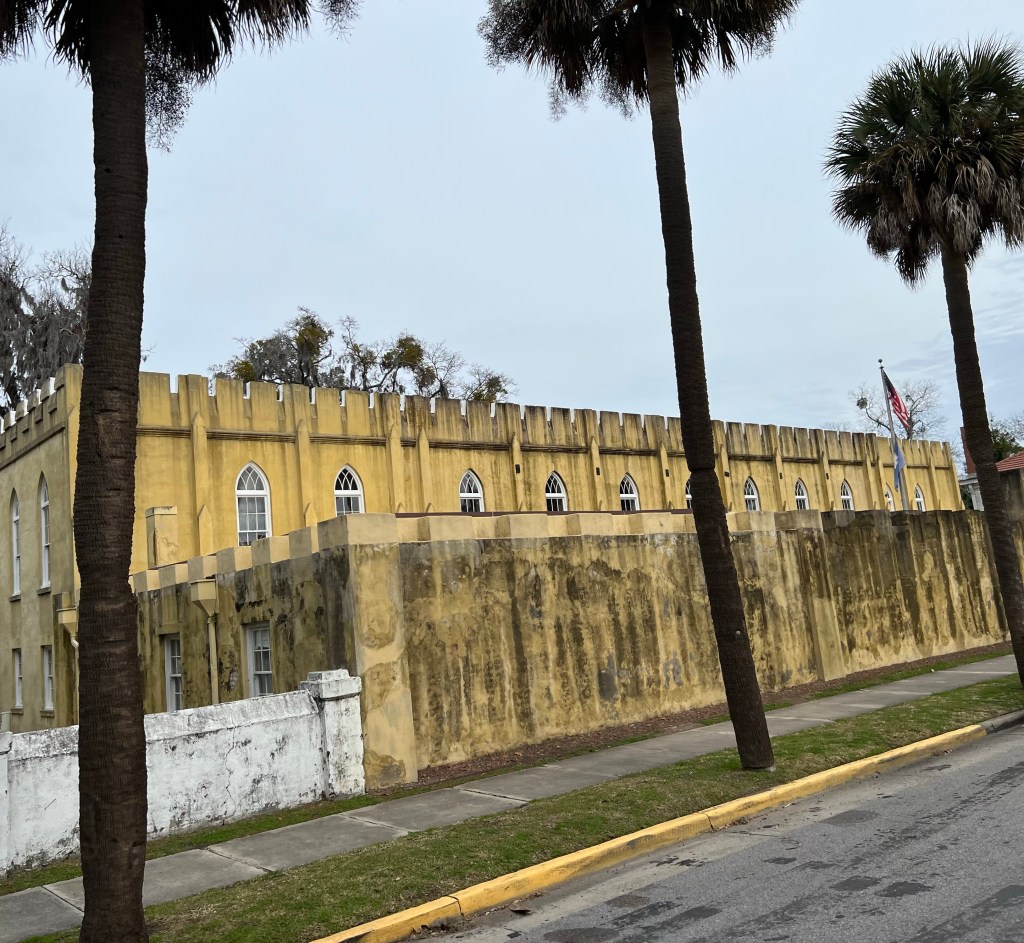
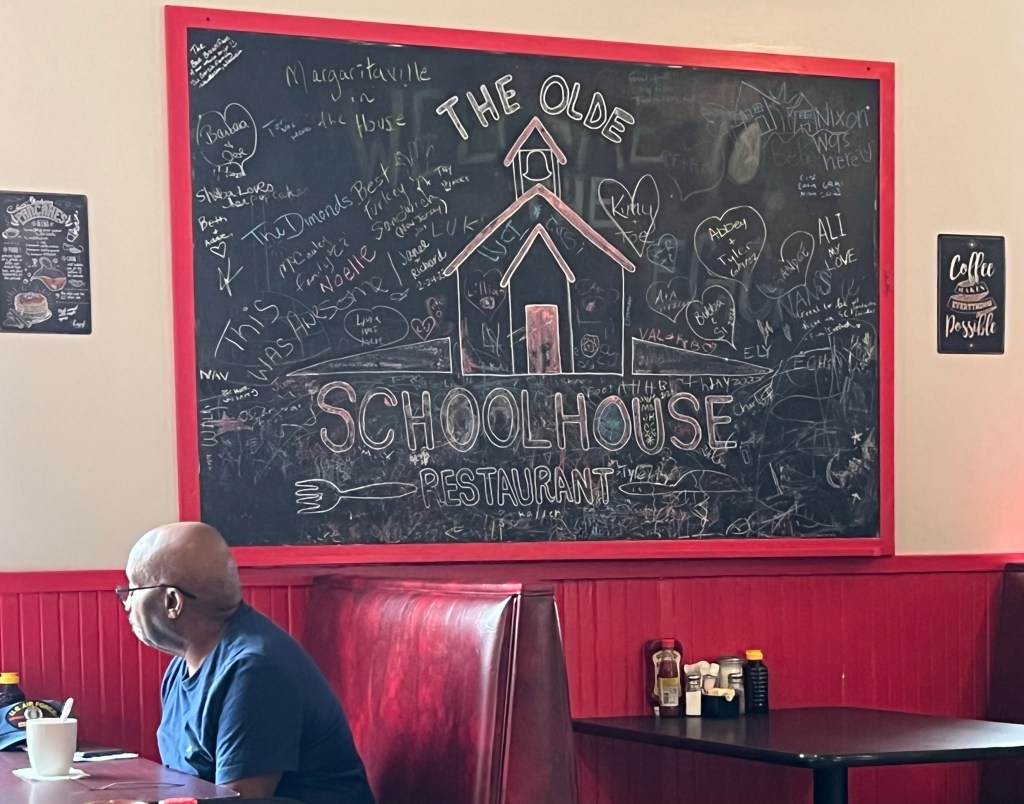
As we headed down the road for our tour of Beaufort ( say it with me now… Byoo-fert. Byoo as in beautiful, fert as in fertile. Byoo-fert. ) SC, the husband wanted a second breakfast and chose this quaint little place in Port Royal.
.
.
Cozy, and small …
.
.
The Old Schoolhouse didn’t take themselves too seriously.
.
.
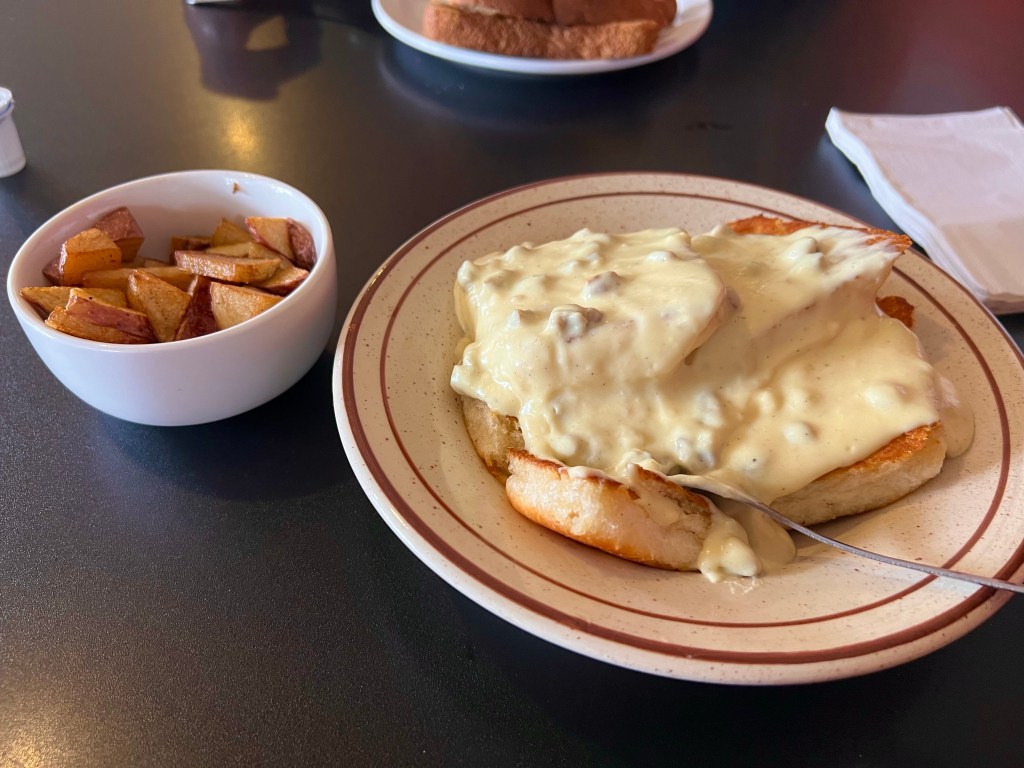
I’m not a big breakfast person, but since it looked like this might be lunch as well, I looked forward to some true southern biscuits and gravy. Finding that dish in Maine is a rare occurrence so I was fully prepared to splurge.
.
.
To say I was disappointed with this (yellow… WTH?) measly batch of gravy with very little sausage (not to mention flavor) is an understatement. I was in the south…
Y’all are supposed to do this right!
Unsatisfying breakfast/lunch over, we made it to Beaufort. (Did you say Byoo-fert in your head? Good. Let’s continue. )
.
.
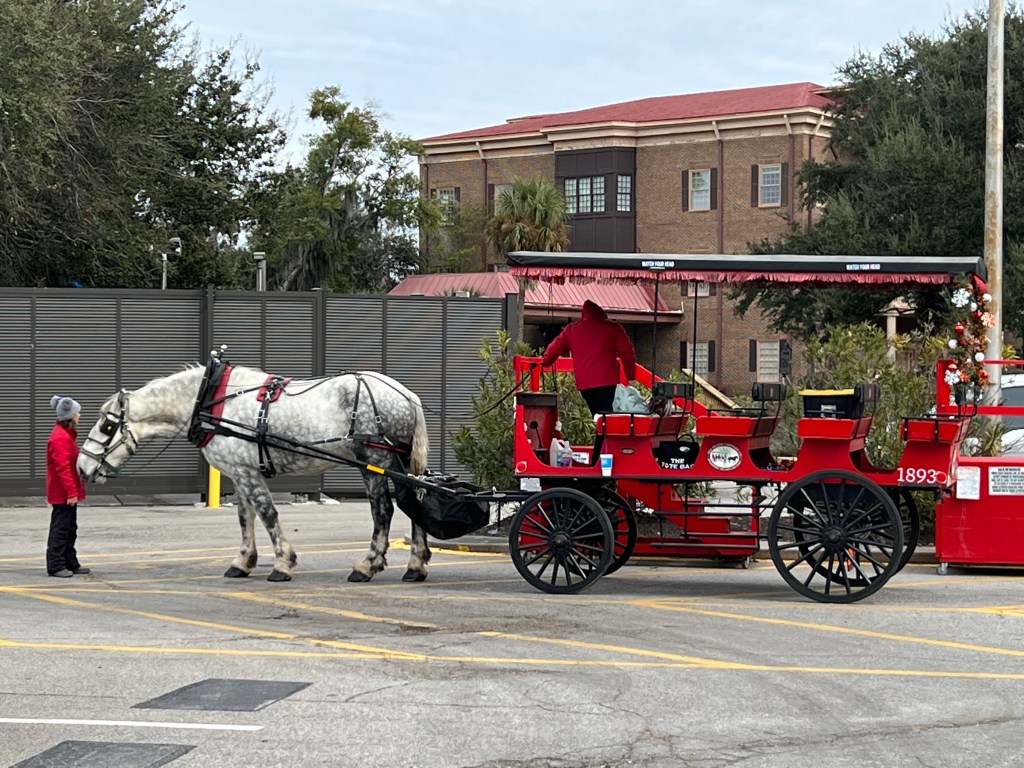
Where we had tickets for a horse drawn carriage tour around the city. That white horse was in training…
.
.
So we had Angus.
.
.
My husband rolled his eyes when I said I wanted to do this, but after a few minutes into the historic tour? He was hooked.
.
.
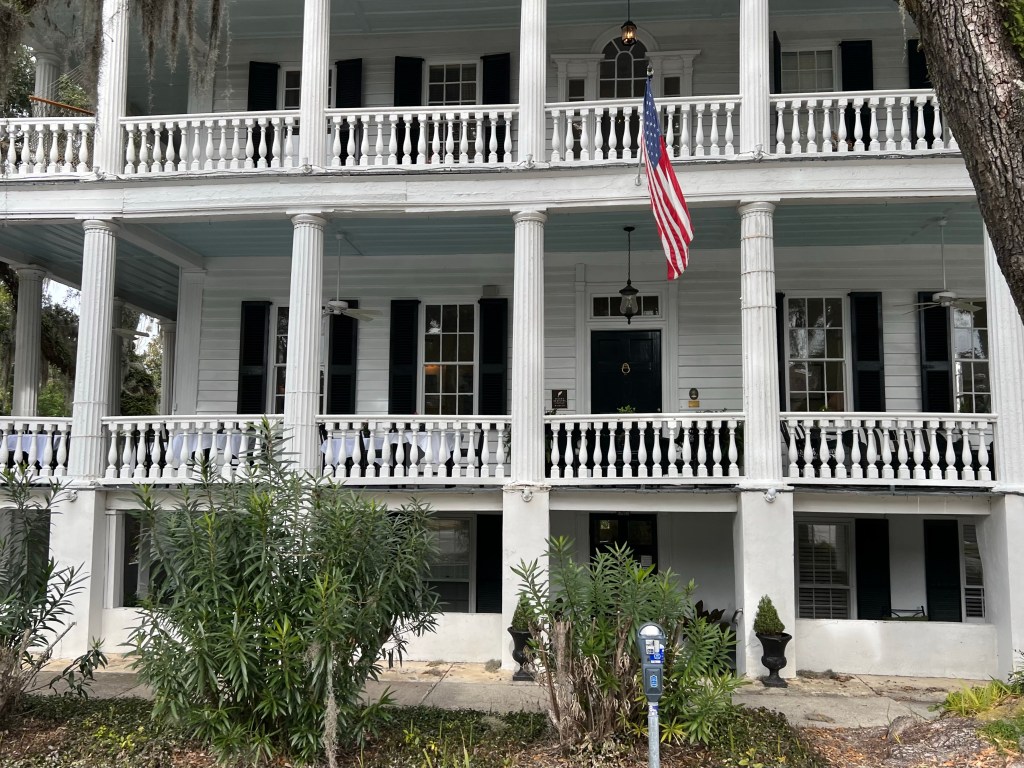
Our tour centered on The Point. The old section of Beaufort filled with beautiful Civil War era homes.
.
.
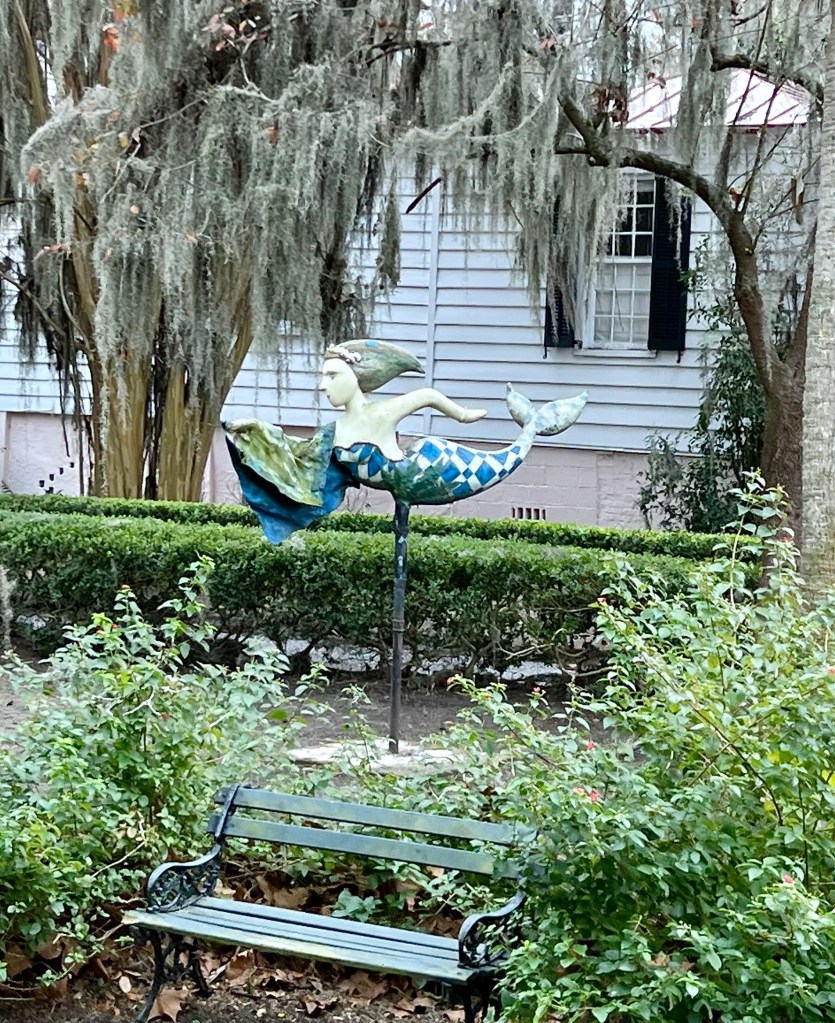
And some quirky art.
.
.
At the beginning of the war the savvy residents of Beaufort took part in what is now known as the Great Skedaddle.
In the panic of The Great Skedaddle of 1861—the hasty escape of white residents from Beaufort, South Carolina, six months after the start of the Civil War—anything that could not be buried or carried was abandoned. Enslaved people were left behind along with all the wealth accumulated from nearby cotton plantations: expensive furniture, horses, and clothing. When the Union Army arrived, there was only one white man left in town and he was dead drunk, or so the legend goes.
As history would have it, what drove white Beaufortonians from their homes was ultimately what saved the town they left behind. Unlike burned and battle-scarred Charleston, 50 miles to the north, the Union Army claimed Beaufort without a fight. Setting up operations in the town’s stately mansions rescued them from destruction. To this day, Beaufort has more surviving antebellum architecture than almost anywhere else in the South.
.
.
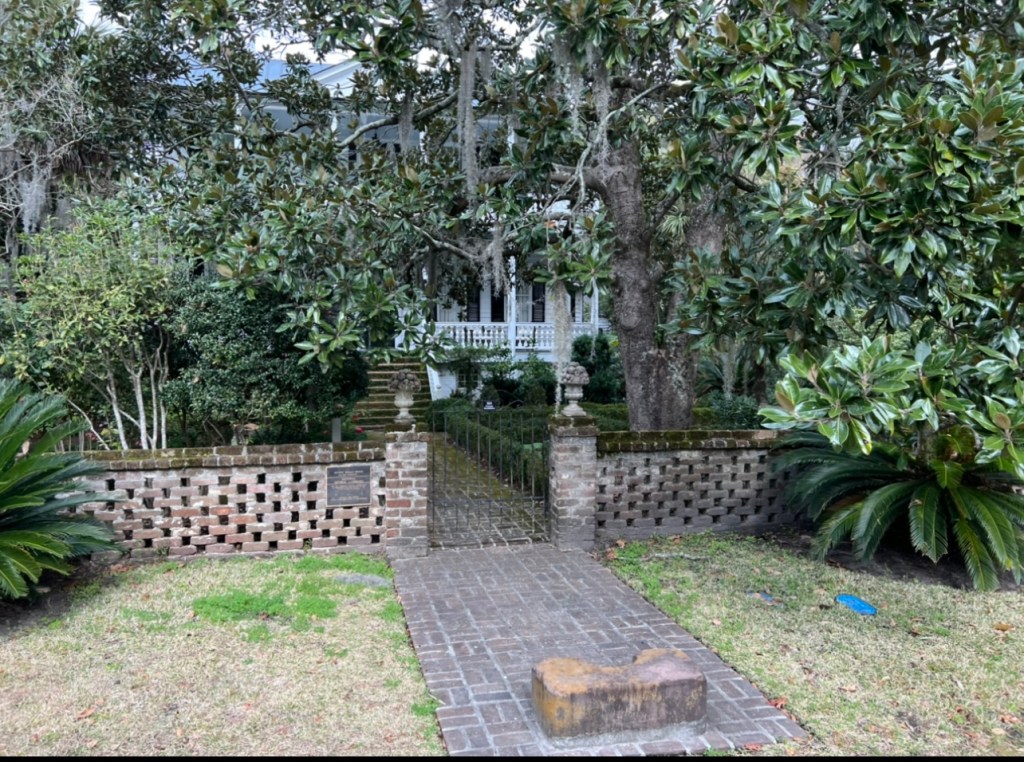
It’s a lovely area, literally lost in time and lovingly preserved.
.
.
That stone out front? A step for women to board carriages without displaying their ankles. Only shameless hussies flashed those.
.
.
This wall is called pigeon hole brick and is completely original.
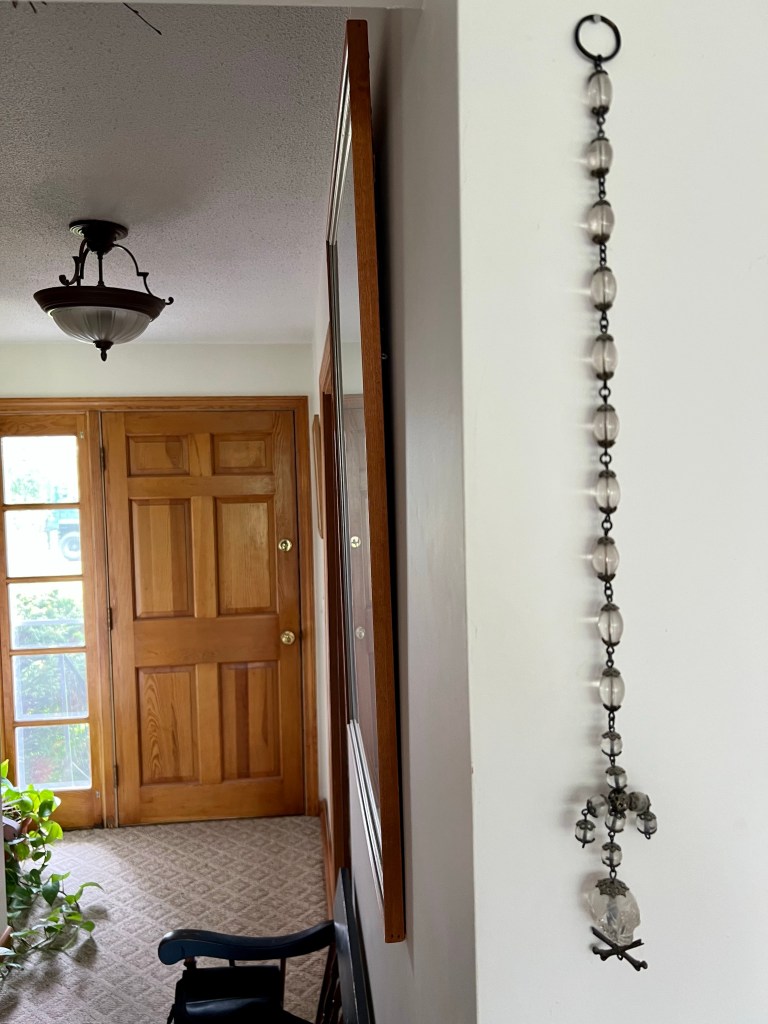
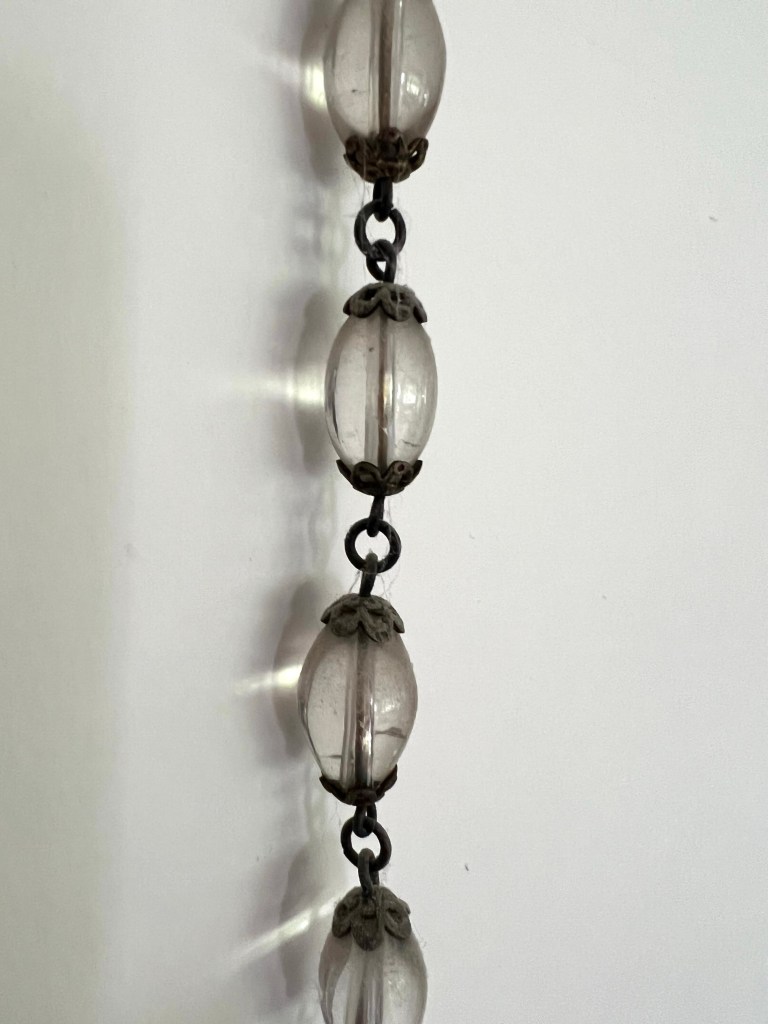
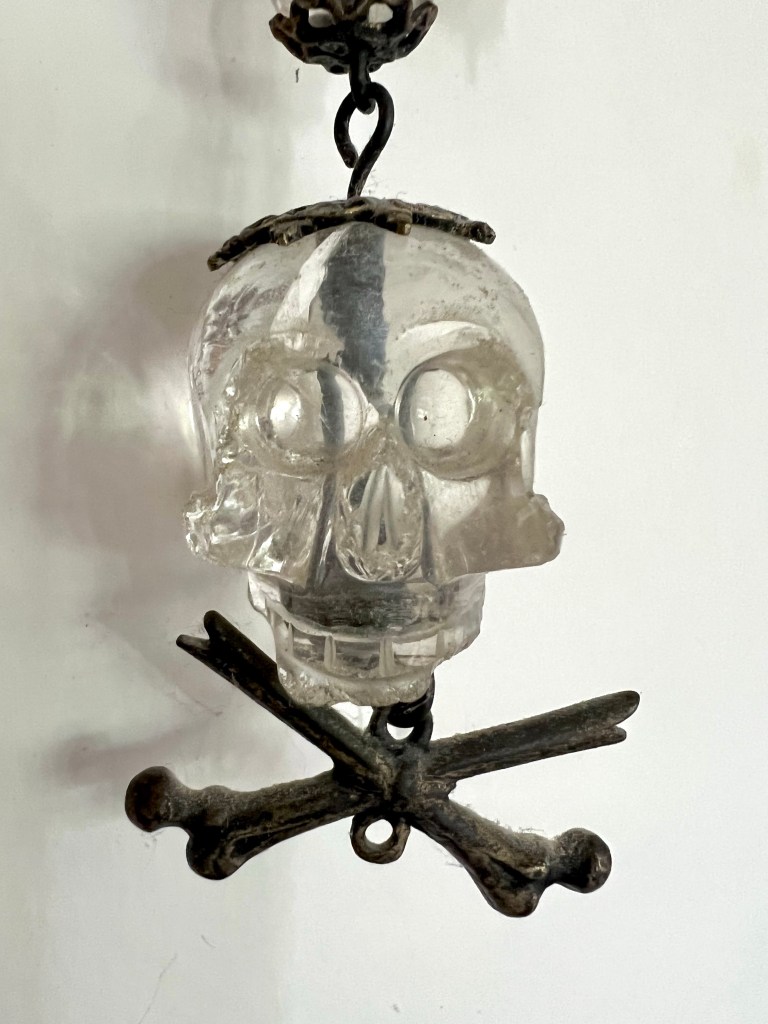
I know the easy joke would be my husband! but while his years are steadily advancing… he’s not nearly as old as this fascinating carved crystal oddity passed down from my father.
.
.
It’s a bit of a weirdo and though we’ve tried repeatedly over the years, we’ve never been able to positively identify it.
Heck, we even took it to Sotheby’s in NYC a decade ago and if their experts were stumped? It may just have to remain a mystery.
.
.
My paternal grandfather was a world traveler in the late 1800’s and brought this back from Egypt. It hung in my grandparent’s house, my parent’s house and now it hangs in mine. The family lore said it was ancient Egyptian but Sothebys said no, the skull was not used iconographically back then. They did think it could be early Coptic, and as they are the direct descendants… I suppose that’s close enough.
( Historical context. Copts believe themselves to be the descendants of Egypt’s ancient Pharaonic people. They were first converted to Christianity with the arrival of St Mark in Egypt in 62 CE. Egypt became part of the Byzantine Empire in 395 CE, and the Egyptian Church was separated from the Christian community in 451. )
.
.
The famous auction house said the metal work was added later and in its present form could have been used as a talisman for pirates.
How cool is that?
.
.
We never even bothered to ask what it was worth… which in hindsight was rather stupid. But no matter, it’s part of my father’s history and would never be for sale.
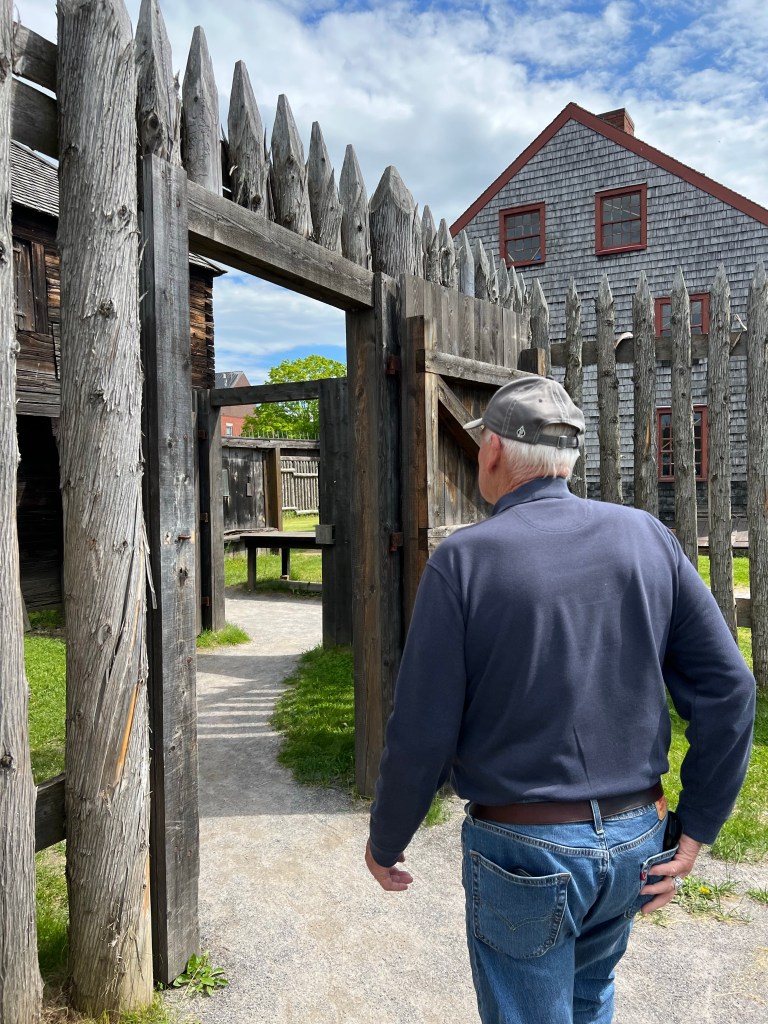
Next up on my things to do in Maine before the husband goes back to work bucket list was Old Fort Western. It’s one of those landmarks we drive by often but never take the time to explore.
.
.
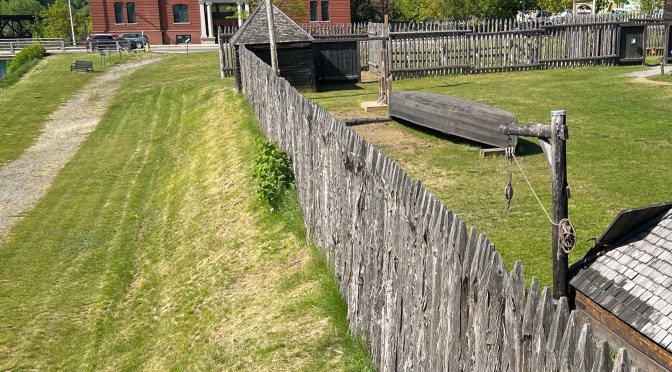
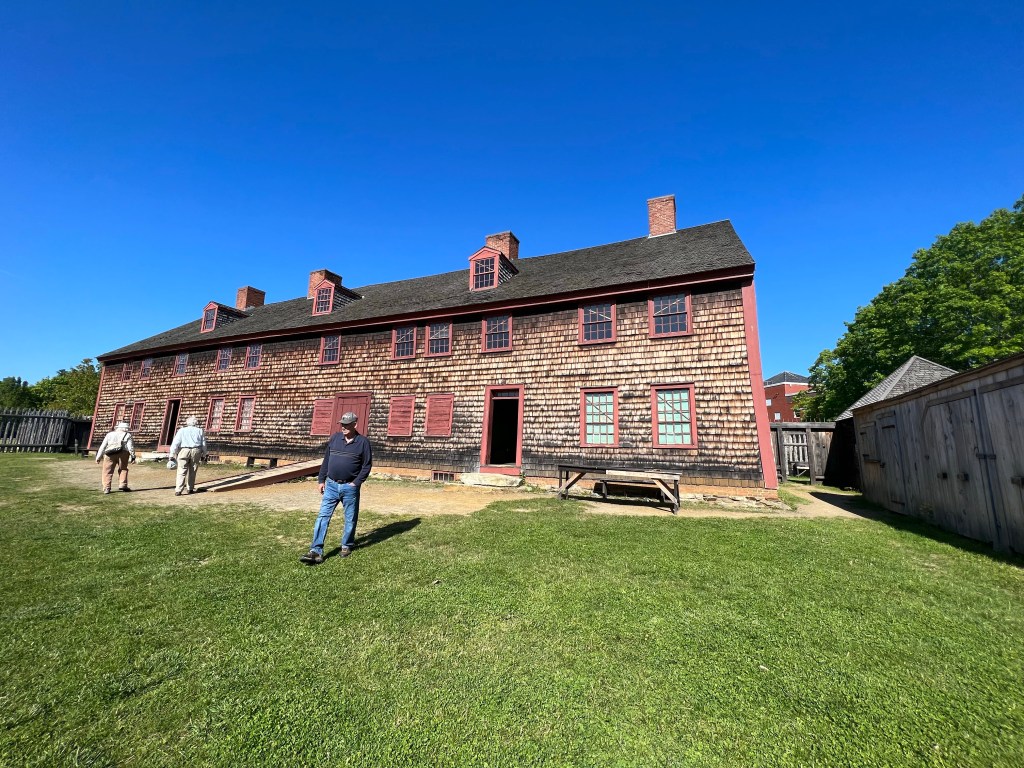
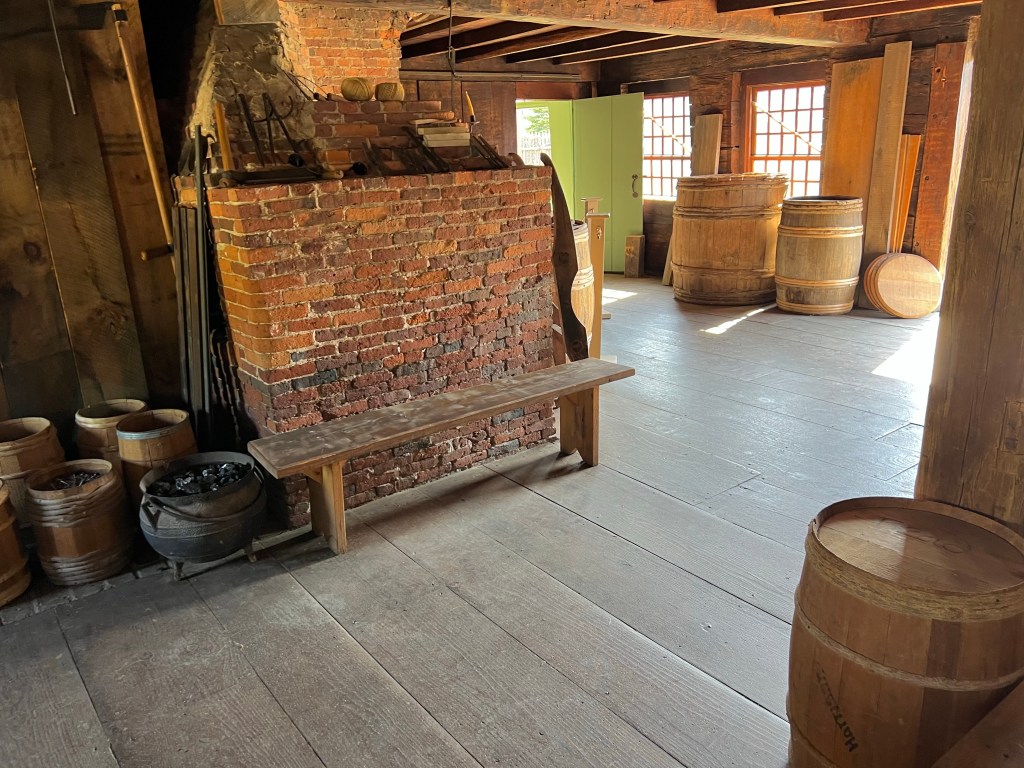
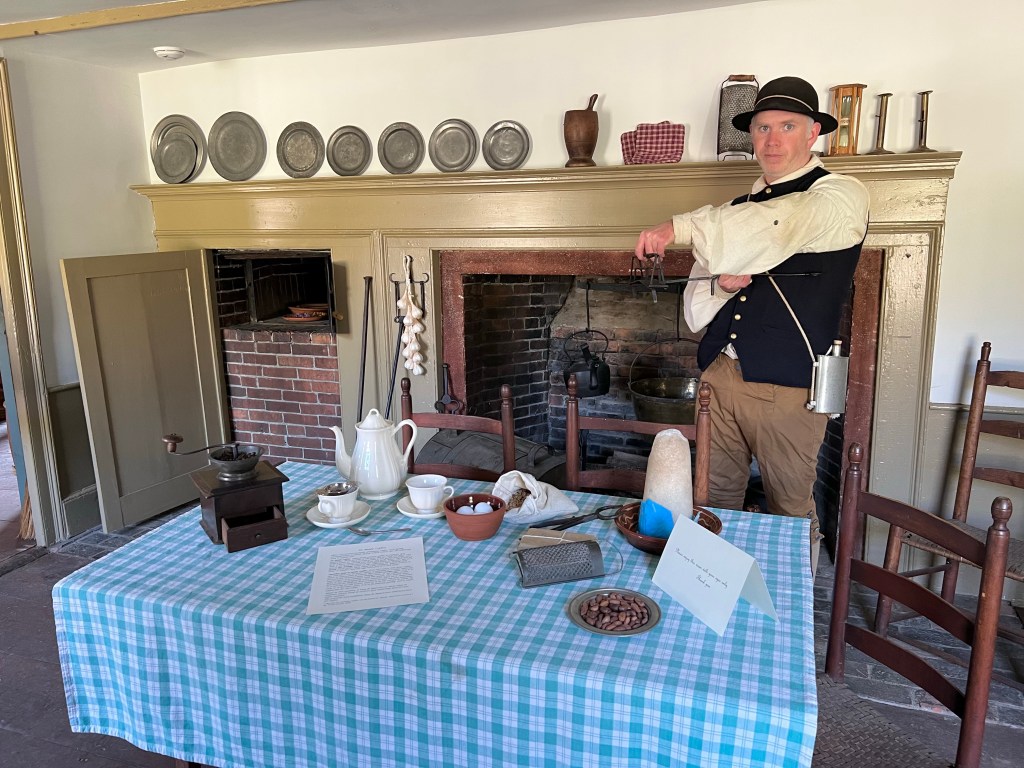
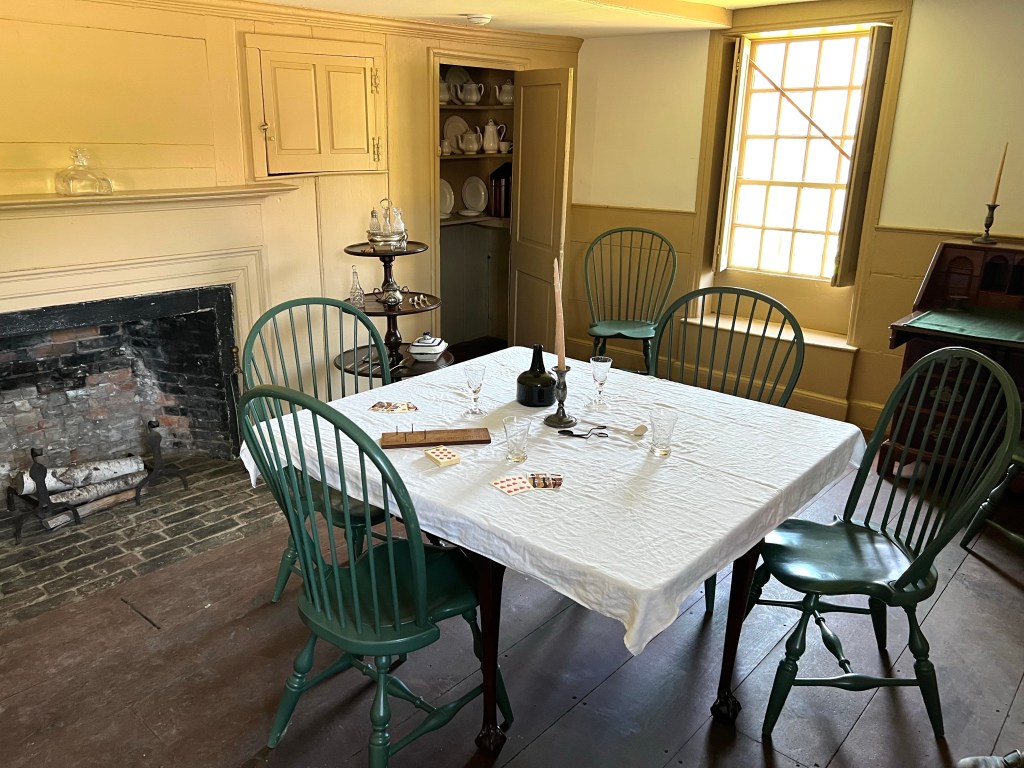
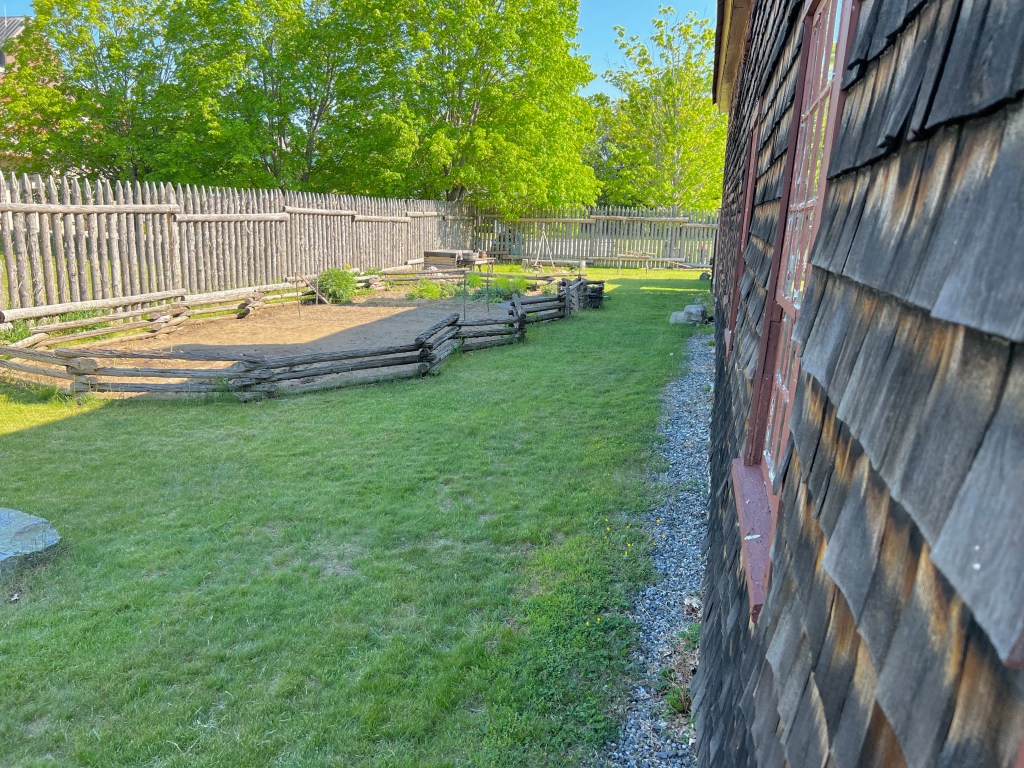
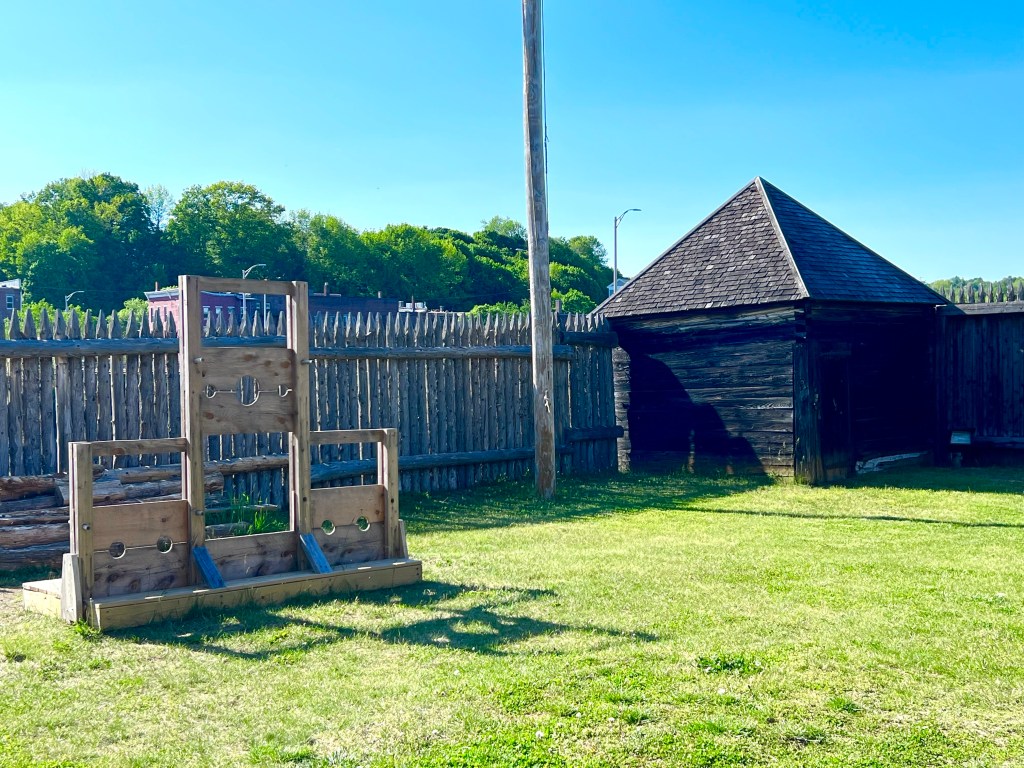
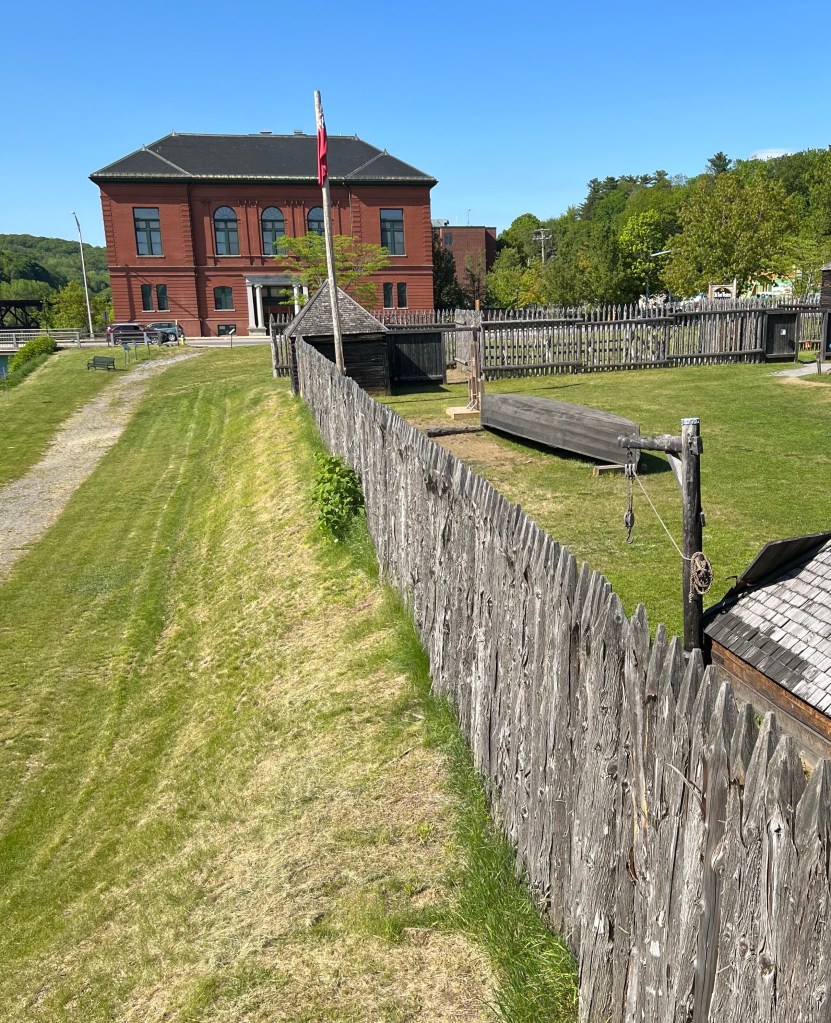
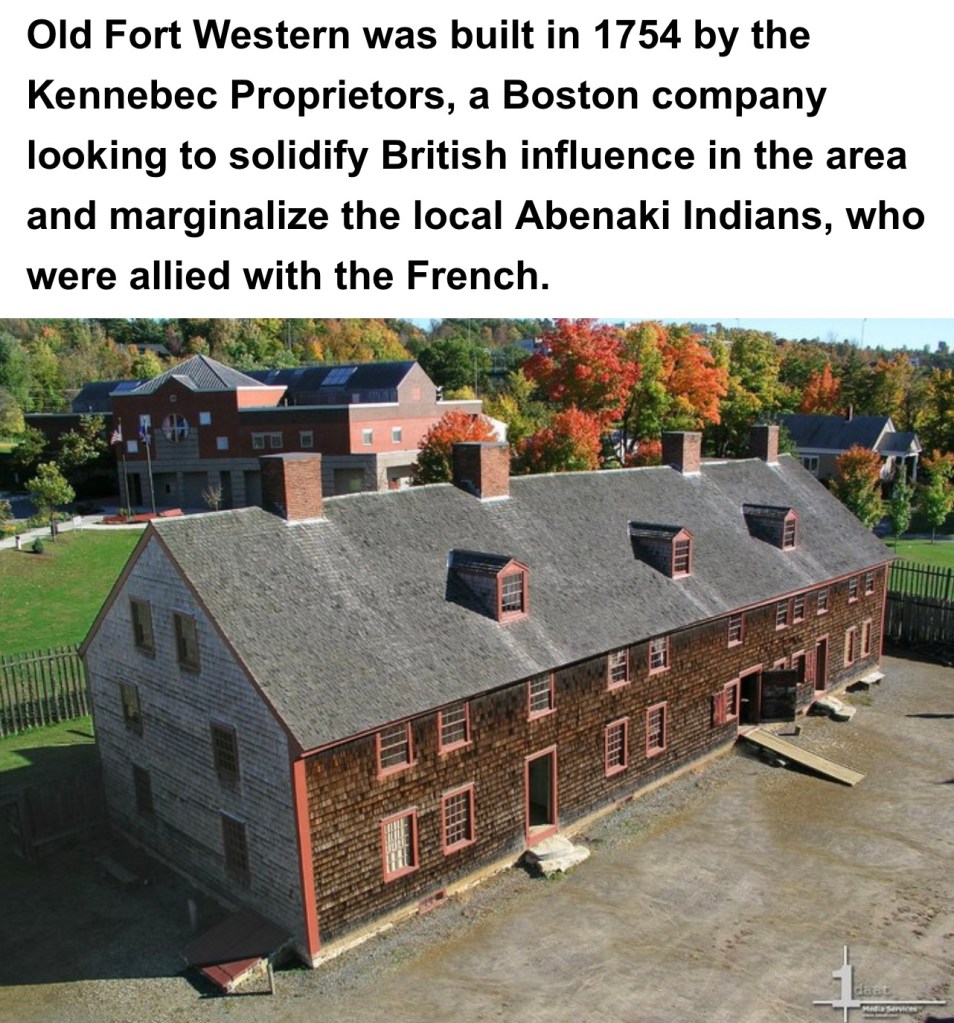
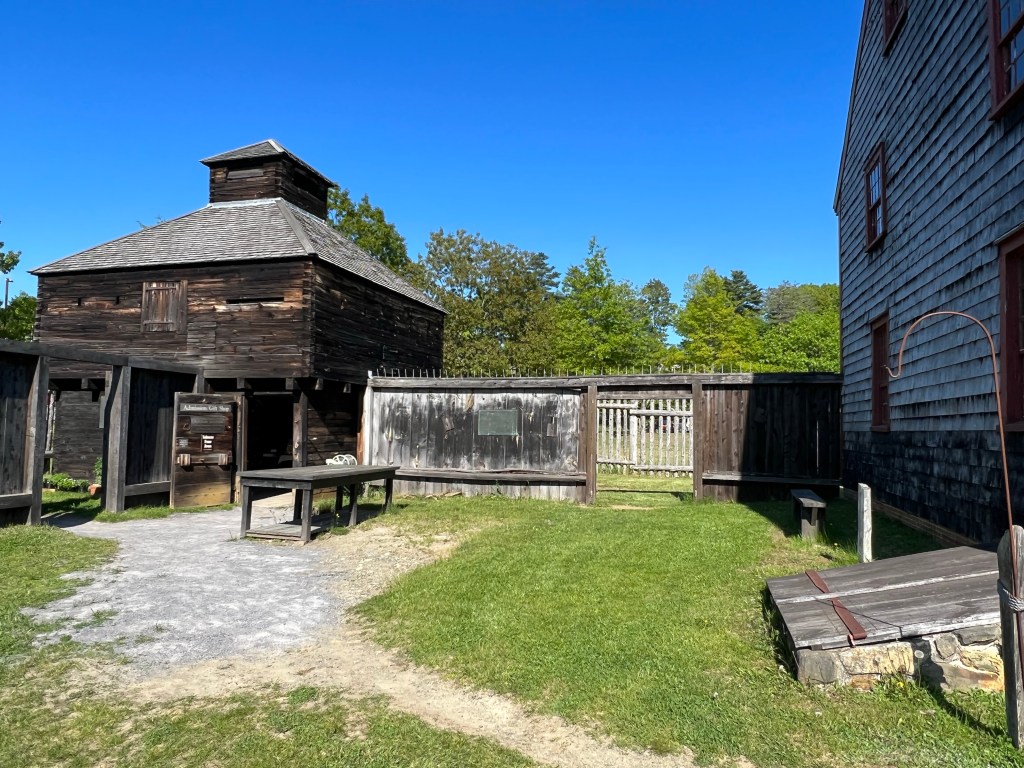
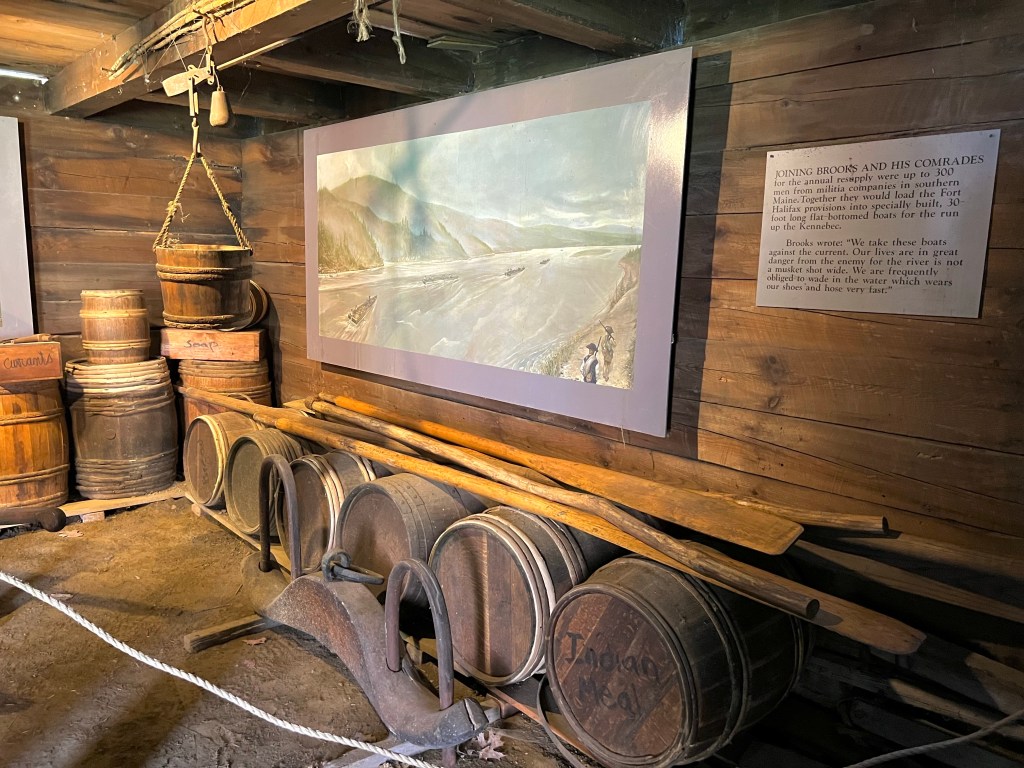
Old Fort Western in Augusta is the oldest surviving wooden fort in the United States. It started life as a trading post, then a manned station during the French and Indian war, and then a store supplying early settlers.
.
.
In 1775 Benedict Arnold started his expedition to capture Quebec from this fort. Arnold’s party, which included future Vice President Aaron Burr, stayed at the fort before marching north.
.
.
For a time it was a private home and now, a historic site.
.
.
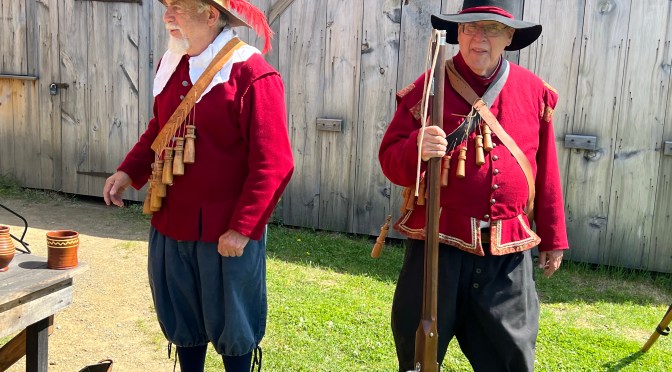
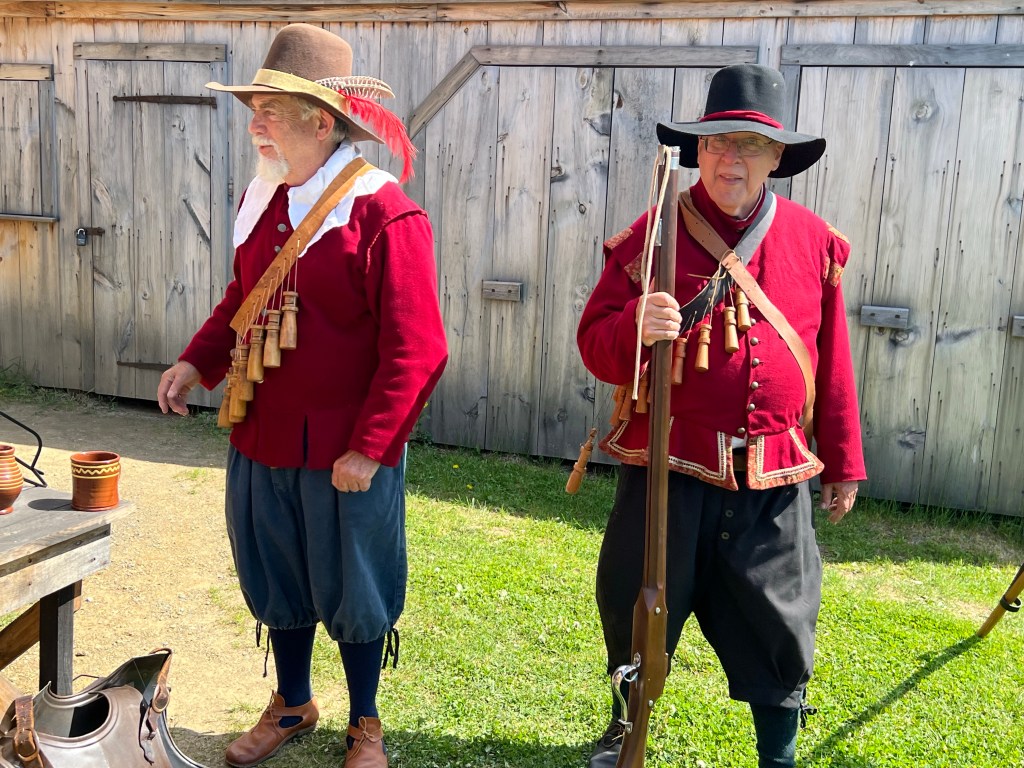
The day we visited there were a few reenactment soldiers in period dress on loan from Plymouth Plantation in Massachusetts.
.
.
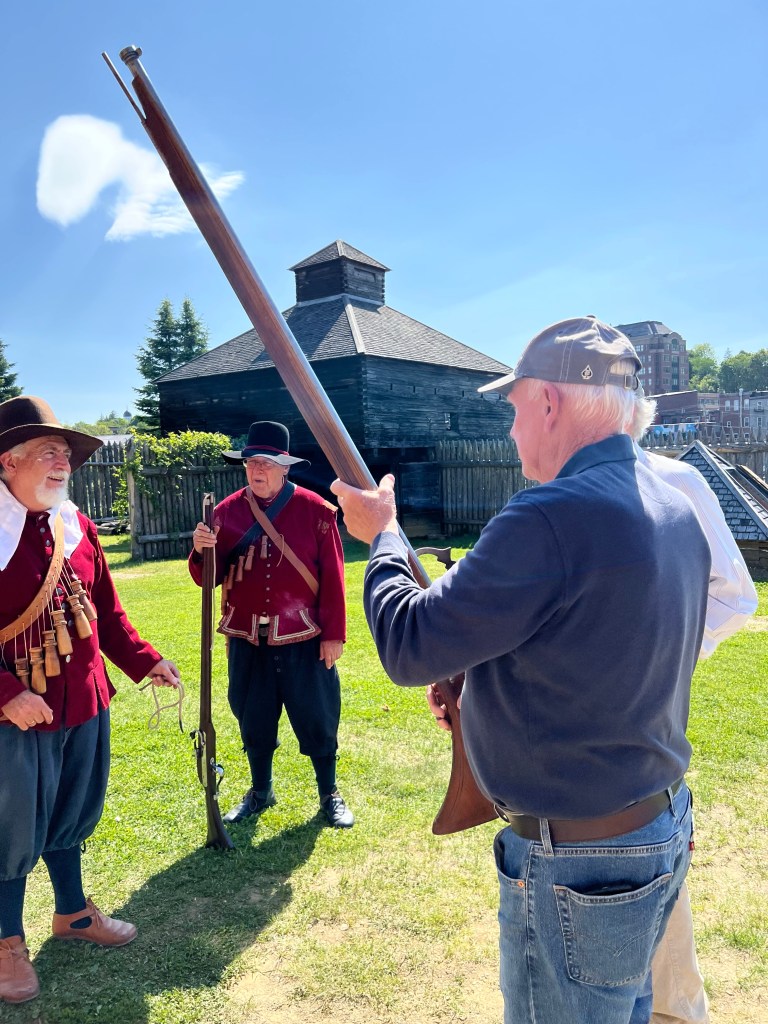
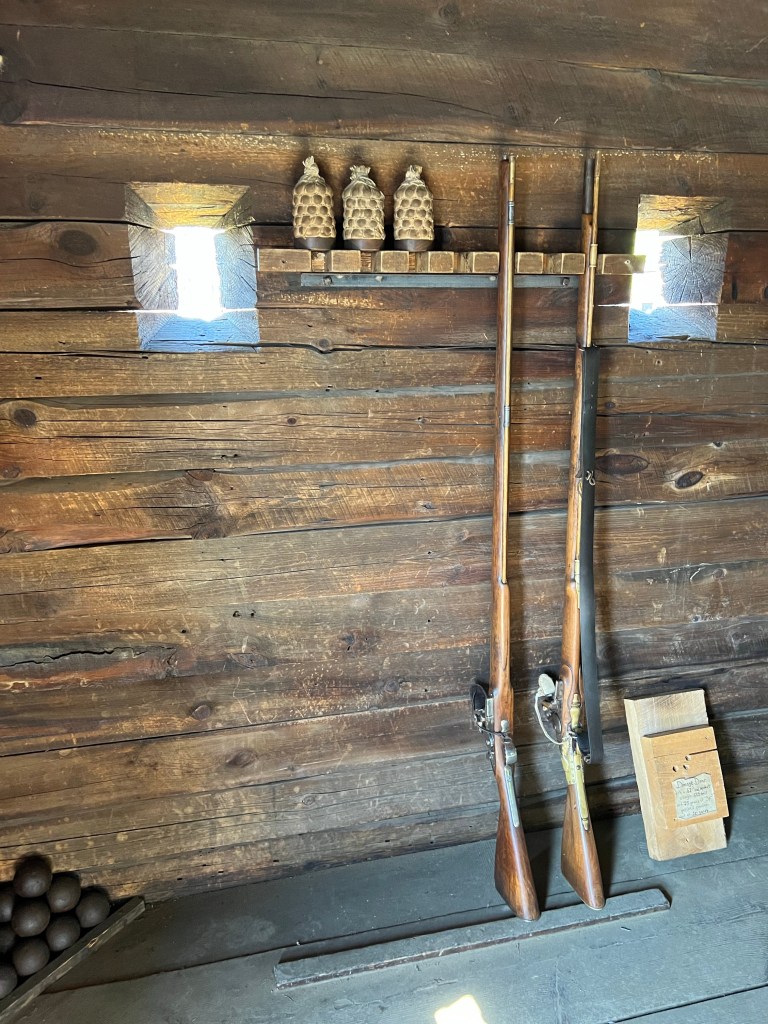
You know my husband enjoyed this part.
.
.
Though they wouldn’t let him fire it for safety reasons.
.
.
I love history and totally geeked out during the guided tour.
.
.
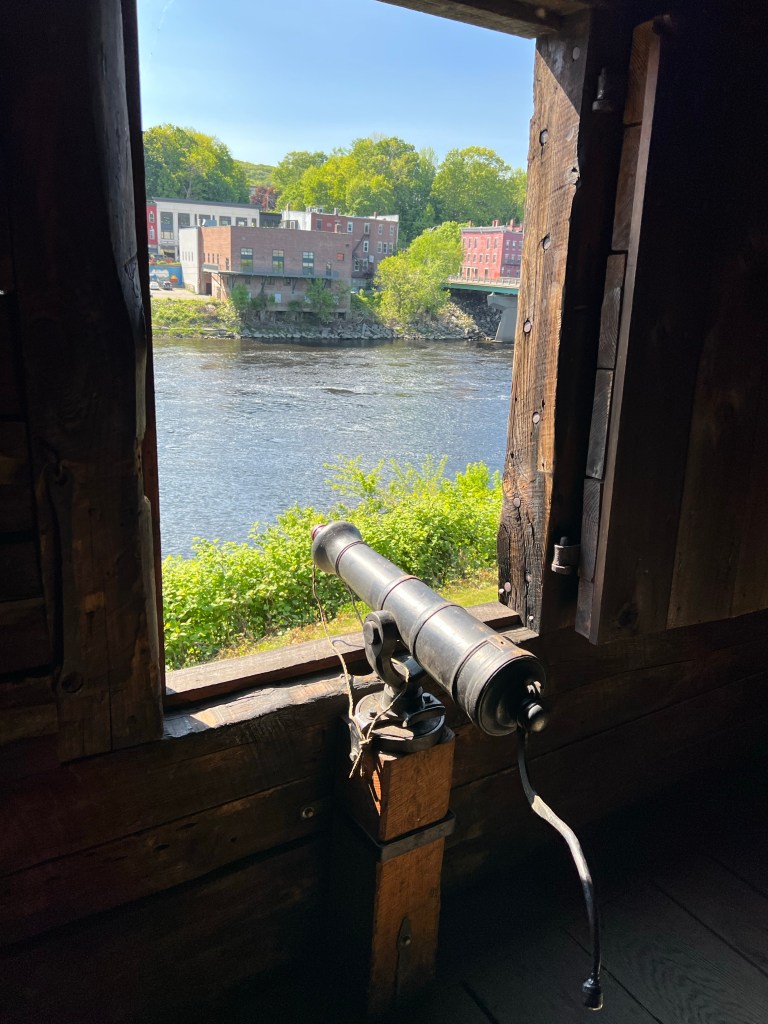
Strategically placed on the highest navigable point on the Kennebec River…
.
.
It guarded the colonists well and was never attacked.
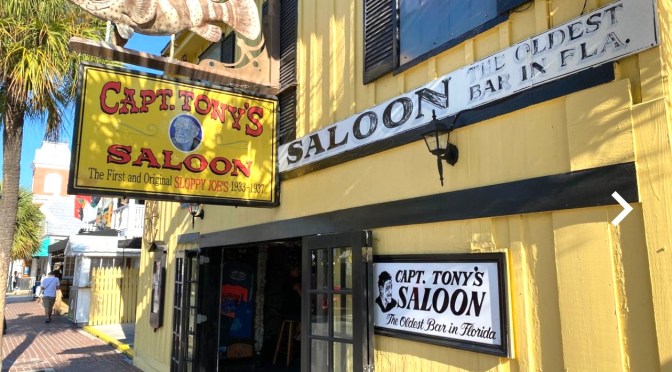
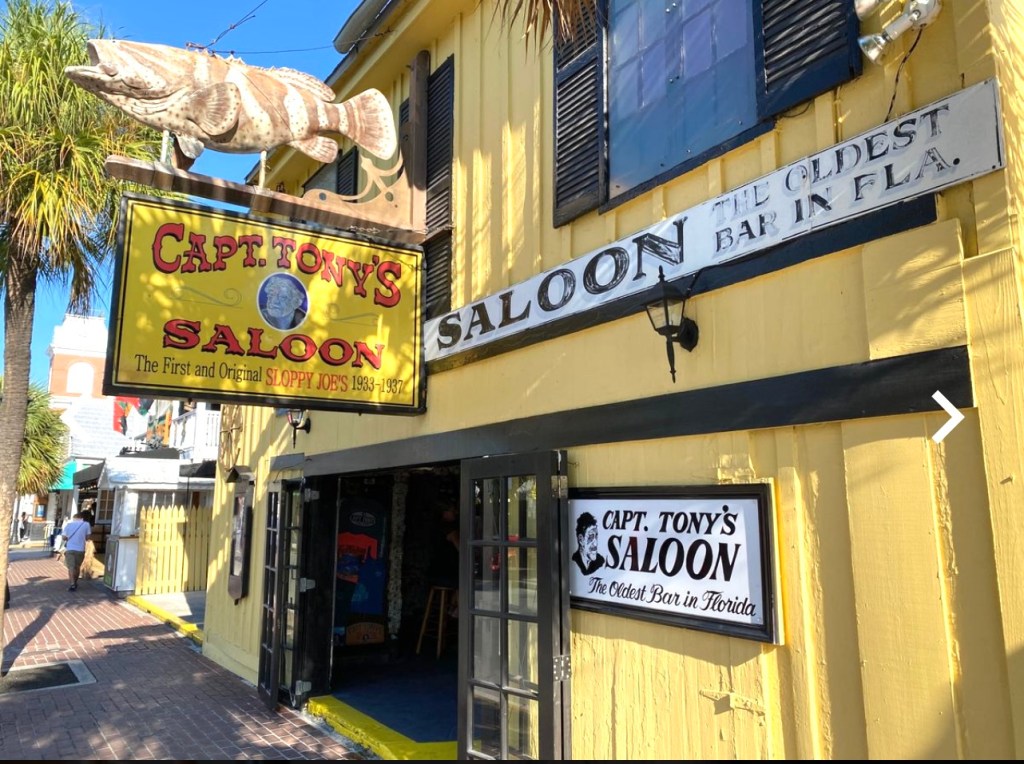
Any of my Florida friends ever have a drinkie poo here?
.
.
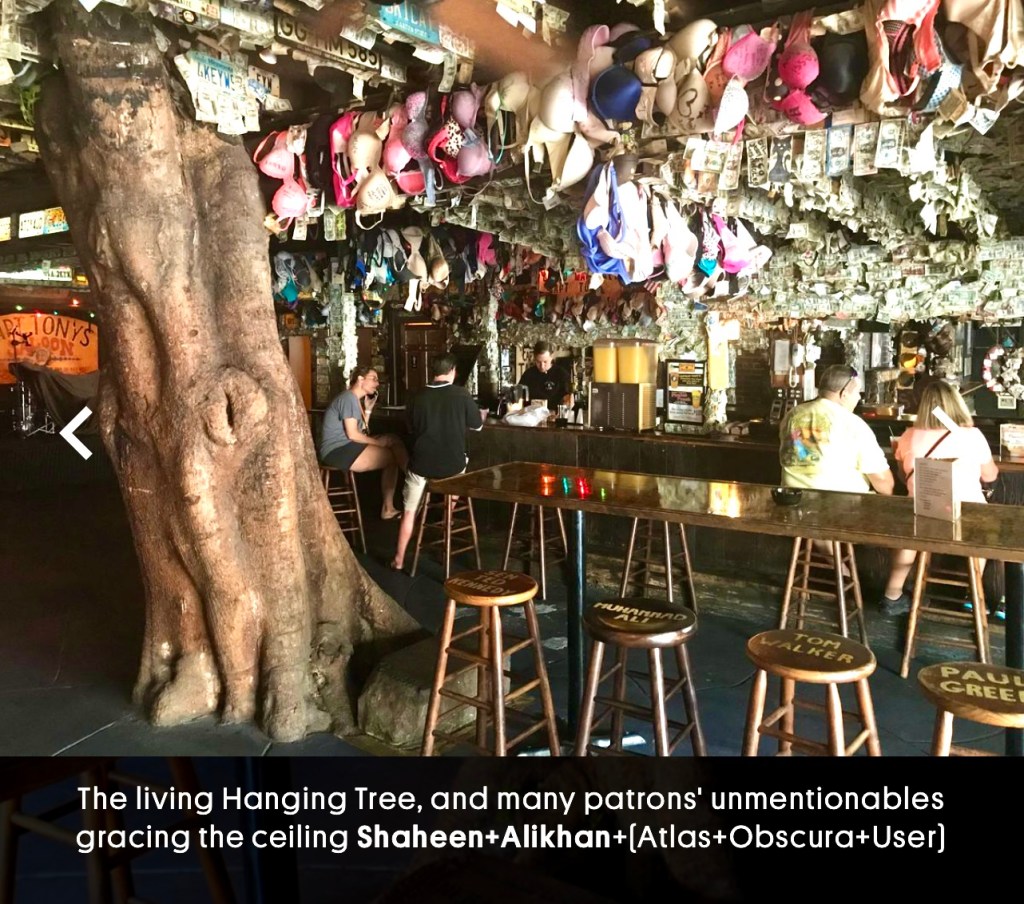
Weird, yes. But I think I’d have a hard time partying under a hanging tree.
.
.
Twigs and leaves aren’t the only things it sprouts…
.
.
To be clear this is not one of my favorite decorating themes. I have enough trouble with bras in every day life, I really don’t need to drink under a ceiling of them.
.
.
Wow.
.
.
The oldest bar in Florida definitely has history.
.
.
Damn.
.
.
I’ve had drinks with my share of dead beats, but this takes dead to a whole new level.
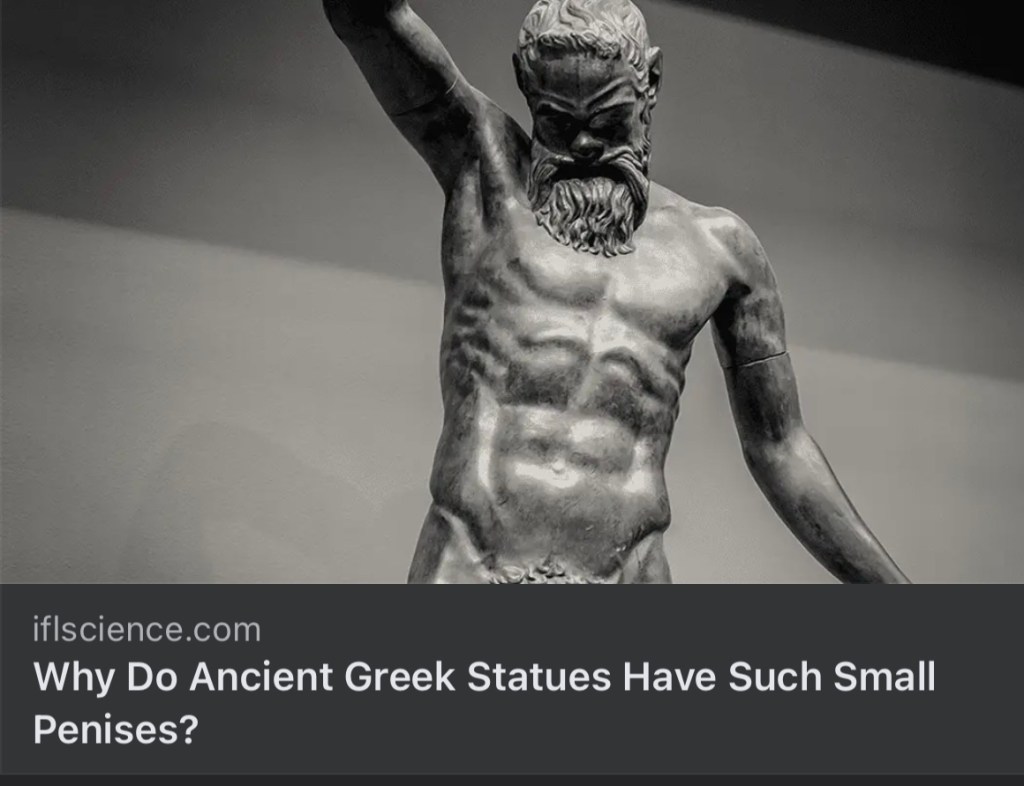
Admit it, at least once in your life you’ve wondered about this.
.
.
And no, it’s not because marble is cold.
“Ancient Greece was a highly masculinist culture,” photographer Ingrid Berthon-Moine, who created a series in which she captured images of ancient statues’ testicles, told Hyperallergic. “They favoured ‘small and taut’ genitals, as opposed to big sex organs, to show male self-control in matters of sexuality. Today, the modern users as in commerce, cinema, and advertising converted it into a mass commodity telling us about domination and desirability, size matters and the bigger, the better.”
.
She’s got a point. I’ve yet to meet a modern man who wanted to be regarded as small and taut.
.
Art historian Ellen Oredsson added on the same topic that people with larger penises were seen to be “foolish, lustful, and ugly”, while Ancient Greek playwright Aristophanes writing of the ideal male traits as “a gleaming chest, bright skin, broad shoulders, tiny tongue, strong buttocks, and a little prick.”
.
There you have it.
Although according to Aristophanes, you might have a hard time finding it.
🤣
.
Where there's only one step from the sublime to the ridiculous.
























 River's world.....